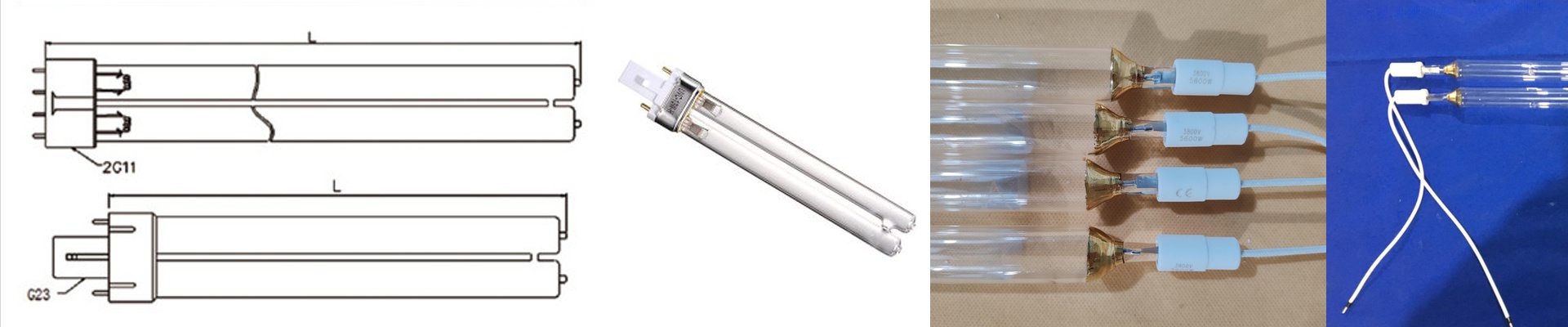
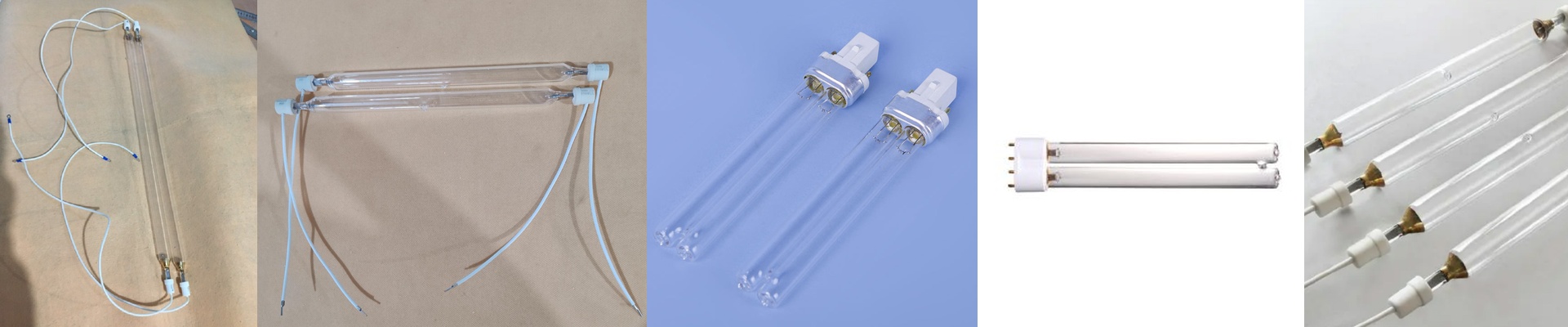
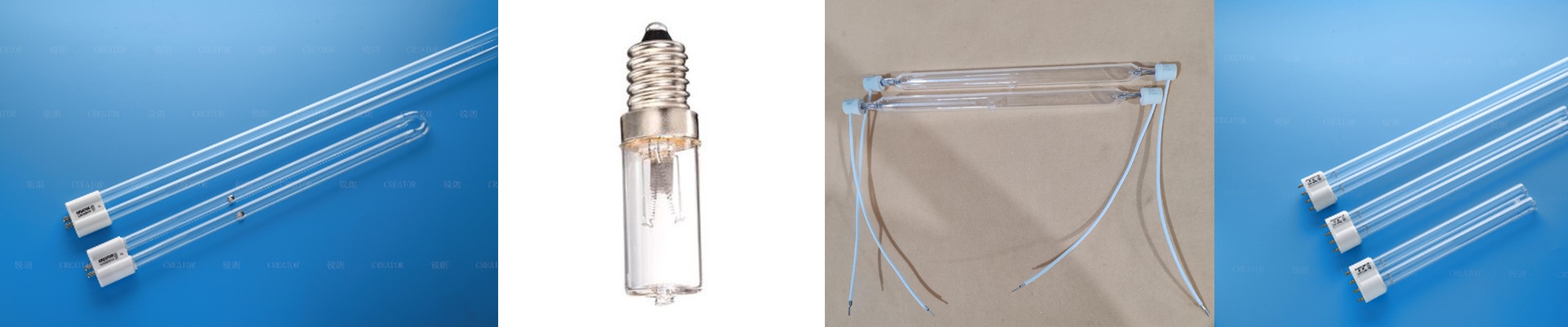
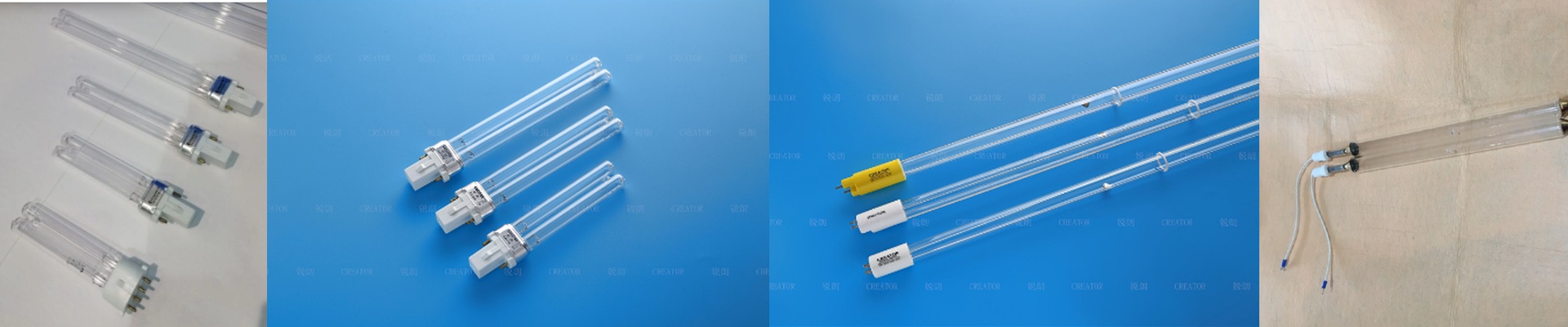
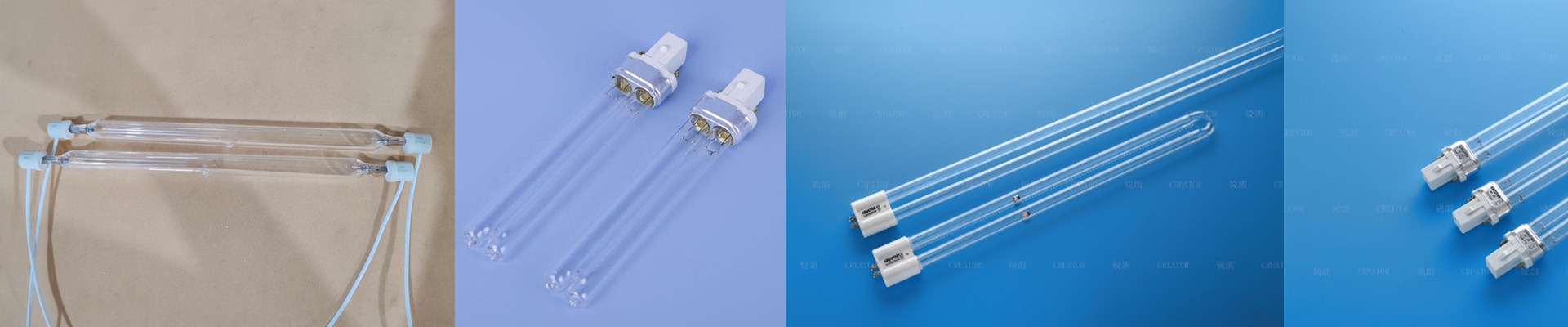
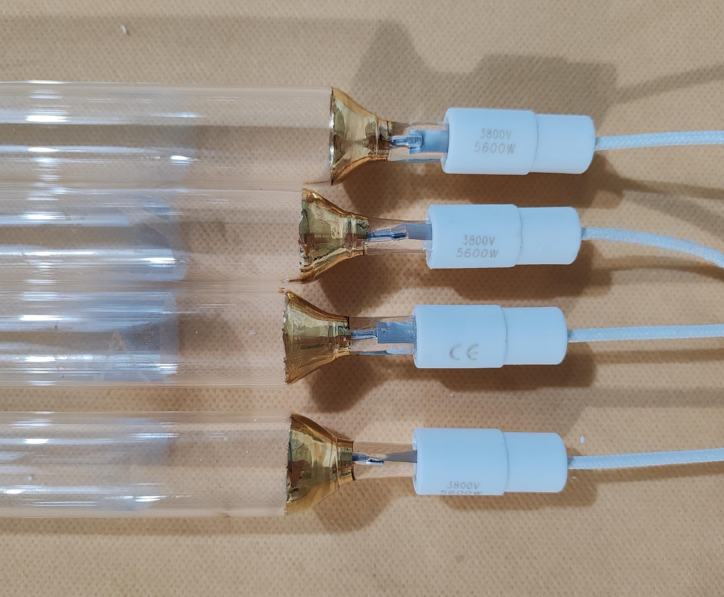
Let’s Talk About the 120W/cm Mercury UV Lamp
When you see “120W/cm” on a spec sheet, don’t just think of it as a random number. It’s actually about how much punch is packed into every single centimeter of that quartz tube. Think of it as the “concentration” of the light. For most of you running curing lines, this is the number that really matters when you’re figuring out how fast your conveyor can move without leaving the product half-baked.
The Nitty-Gritty of the Power
At 120W/cm, we’re talking about a serious amount of energy. It’s designed to snap that photopolymerization process into gear instantly. To handle that kind of intensity, we use high-purity quartz. Why? Because cheaper glass clouds over or “solarizes” when it gets this hot, and that kills your output. One quick tip: make sure your ballast matches this wattage exactly. If you under-power the lamp, you’ll end up with a tacky, sticky surface that’s a nightmare to deal with. On the flip side, pushing too much power is just a fast track to burning out your electrodes.
Making it Your Own (OEM)
A lot of our clients come to us because they have a very specific machine footprint and they don’t want to reinvent the wheel. We take care of the boring, technical headaches—things like where the electrodes sit, what the end-caps are made of, and getting the length exactly right. You just put your own logo on the chassis and you’re good to go. Plus, we can tweak the gas mix or the quartz coating. Depending on whether you’re curing ink, glue, or heavy-duty coatings, we can shift the light spectrum to fit your specific needs.
The Trade-off: It Gets Hot
Here’s the thing: high power density comes with a heat penalty. These lamps runhot. Like, really hot. You can’t just plug them in and walk away. You need a solid cooling system—whether that’s a blast of forced air or water-cooled jackets—to pull that heat away from your parts. If your cooling lags, you’re looking at warped parts or, worse, a cracked quartz tube. We handle the raw power and the technical build. You just figure out how it fits into your workflow. It’s a much easier way to grow your brand than trying to build a mercury distillation plant in your backyard.