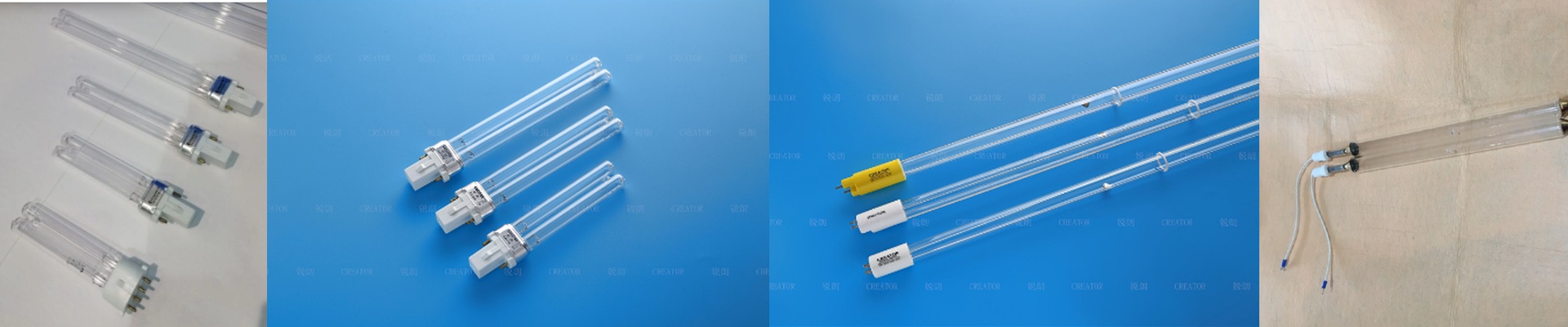
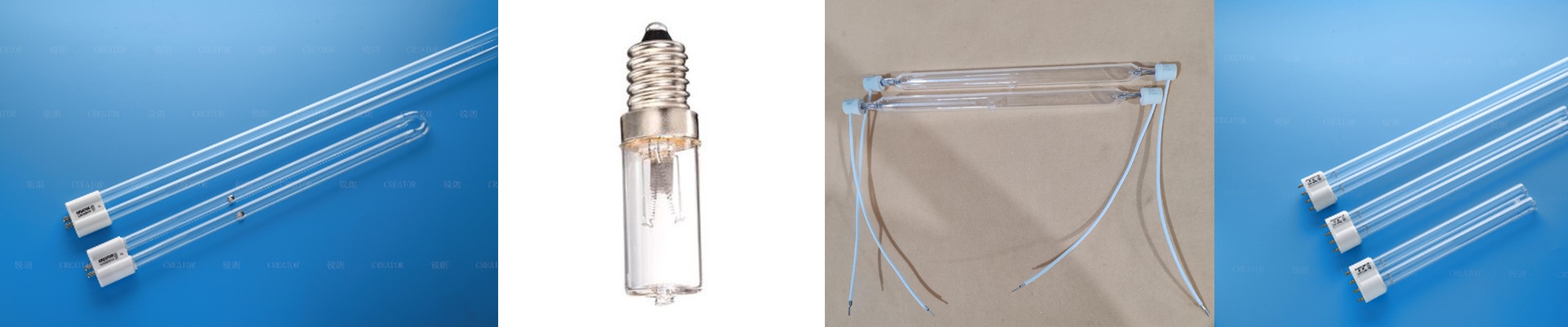
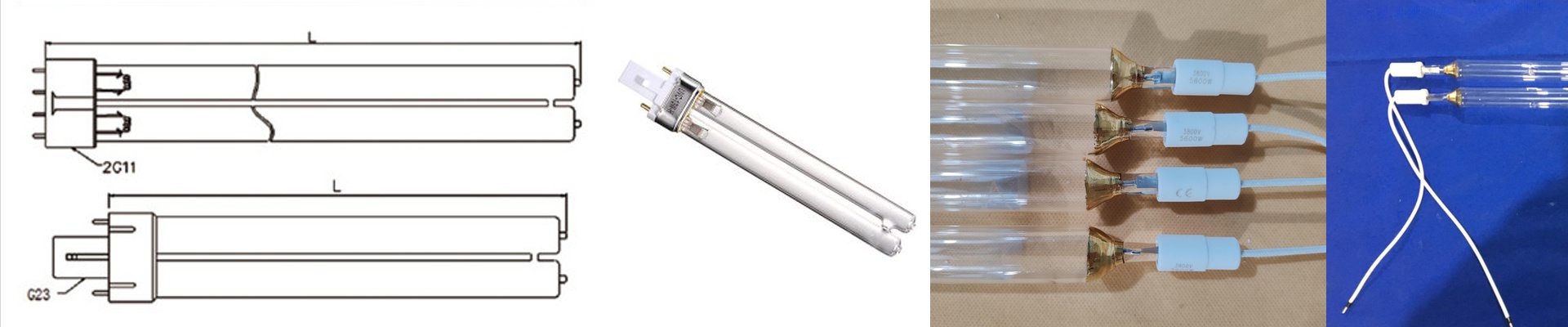
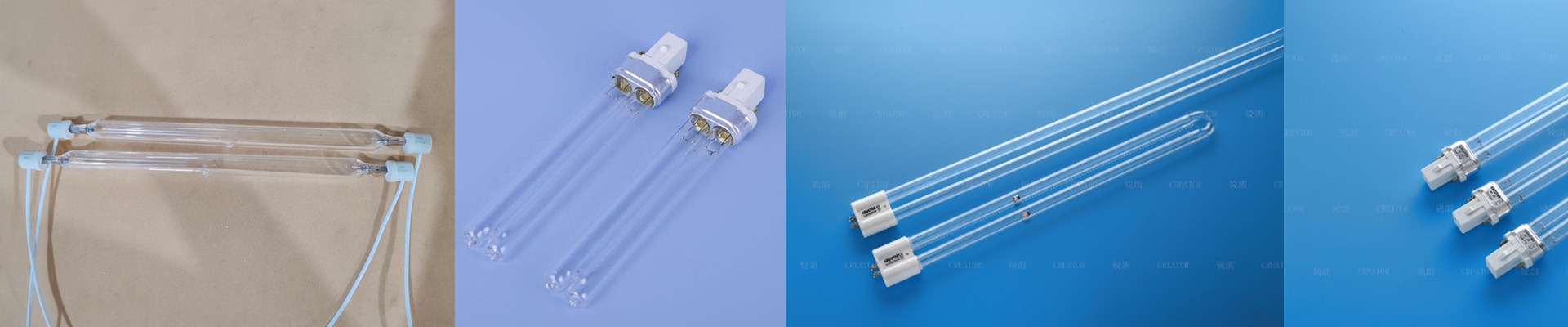
Making Sense of the New “Smart” UV Lamps
High-pressure mercury lamps have been the heavy lifters for industrial curing and sterilization for ages. They just work. But by 2026, the old “flip the switch and hope for the best” approach is going away. We’re moving toward lamps that actually talk back to us, letting us track power draw and spectral decay in real time.
The Gritty Side of the Physics
Here is how these things actually work: you create an electric arc through vaporized mercury. That’s what gives you that broad UV spectrum—the UVC and UVB bands that do all the heavy lifting. Because these lamps need to hit high irradiance levels, they pull a lot of wattage. You need a ballast that can handle that initial “kick” to start the lamp and then keep the current steady. And here is the catch: your voltage needs to be rock solid. If your power starts jumping around, your lamp’s lifespan takes a hit. It just burns out faster. Simple as that.
Stop Guessing, Start Tracking
The latest smart lamps are tucking sensors right into the ballast or the lamp head. This means you can sit at a dashboard and see exactly how much energy each unit is using. The best part? You can see the exact moment a lamp’s output starts to dip. For years, we’ve just used timers to guess when a lamp is dead. It’s a guessing game. Some lamps get tossed while they’re still good; others stay in too long and you end up with under-sterilized product. With this data, you only swap the tube when it’s actually dead. No more following a calendar just because “that’s how we’ve always done it.”
The Trade-offs (Because Nothing is Perfect)
Now, adding all this intelligence isn’t free. It makes the wiring a bit of a headache. You’ve now got thin data lines running right next to high-voltage power cables. If you aren’t careful with your shielding, you’ll get electromagnetic interference. That’s just a fancy way of saying your sensor readings will be all over the place. Plus, you need a network that actually works. If your factory Wi-Fi is spotty or has dead zones, your “real-time” monitoring becomes a lagging mess. It’s frustrating. Before you go all-in on these lamps, take a look at your network. Make sure it can handle the load, or you’re just buying expensive hardware you can’t actually use.