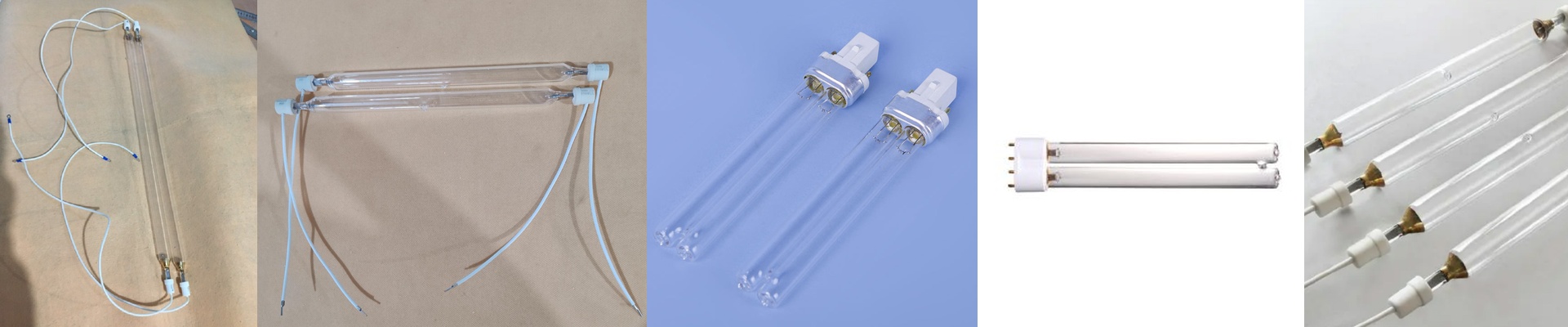
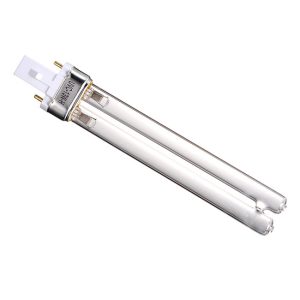
Getting Your UV Wavelength Actually Right
Look, we don’t just make lamps. We’re in the business of controlling photons. Most of those off-the-shelf UV replacements you find? They drift. The wavelength shifts just enough that your cure rate tanks or those microbes you’re trying to kill just… stay there. We spend our time in the lab obsessing over the tiny gap between “close enough” and the exact nanometer peak your specific reaction needs.
Why “Close Enough” Isn’t Good Enough
Standard UV lamps are messy. They bleed energy all over the spectrum. To fix that, we use specific dopants in the quartz and a very precise mix of gases inside the tube to tighten that peak. If you’re aiming for 253.7nm for germicidal work, being off by even 5nm kills your efficiency. It’s a huge deal. We keep our tolerances tight so you don’t have to crank up your power supply just to make up for a weak spectral output.
Dealing with Heat and Clouding
Ever notice how some glass gets cloudy over time? That’s called solarization, and it’s a nightmare because your UV output just plummets after a few thousand hours. We use high-purity synthetic quartz to stop that from happening. You get a lamp that drops right into your existing setup, but the chemistry inside is doing a lot more heavy lifting. But here’s the thing: high-intensity UV creates a lot of heat. If you push the wattage to get a higher dose, your heat sinks have to keep up. We’ve seen it happen plenty of times—the lamp is perfect, but the old cooling fans in the housing can’t handle the load. The result? Your electrodes burn out way too early.
Real-World Use
These lamps are built for the grind. Whether you’re curing PET or sterilizing a lab, you just need a consistent dose per square centimeter. No guessing. No wondering if the lamp is still doing its job. We’ll give you the exact spectral distribution curves. That way, you can calibrate your sensors and actually know what’s happening in your process.