Introduction
We built this 80W/cm mercury UV lamp to be the kind of workhorse you can actually rely on—not some one-and-done novelty. After 15 years of tweaking the chemistry and hardening the hardware, we got it to deliver steady output, even when your equipment is running hard, day after day. It’s a straight-up, drop-in piece for any system that needs consistent UV energy. No drama, no surprises. Just dependable light, shift after shift.
The Power, the Voltage, the Size—Plain Talk
That 80W/cm rating isn’t a flashy marketing number. It’s the real power density that pushes the mercury arc to give you the UV punch you need, per inch of length. That density is what sets the electrical demands—and the heat load—on the whole setup. We match the lamp to the right ballast and power supply, so ignition is solid and the arc stays steady. The tube lengths are standard, which makes mounting straightforward and helps the heat spread predictably across the target area. Here’s the honest part: packing 80W/cm into a compact tube creates a lot of internal heat. Your machine’s cooling and airflow have to be up to the task. If they’re not, the lamp runs hot, and its life gets cut short.
What It’s Made Of—Quartz, Coating, and the R7s Connector
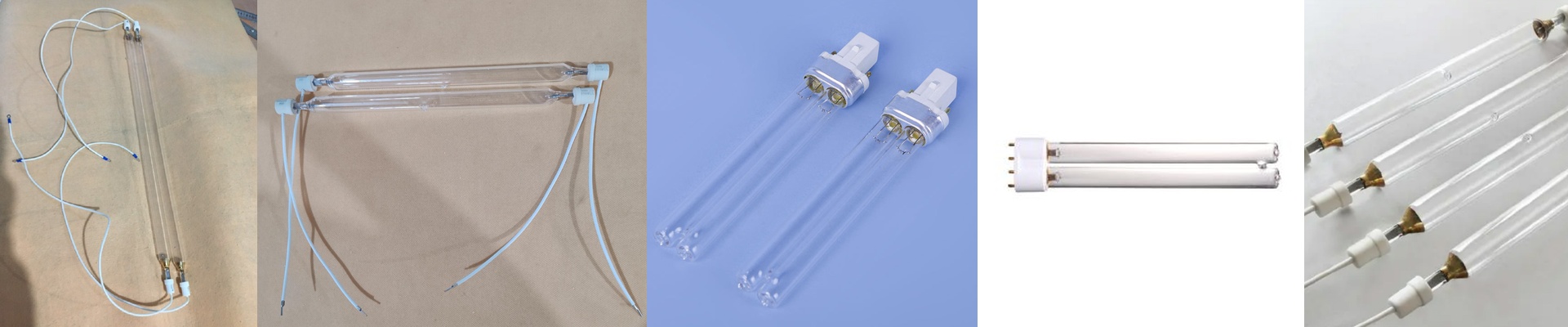
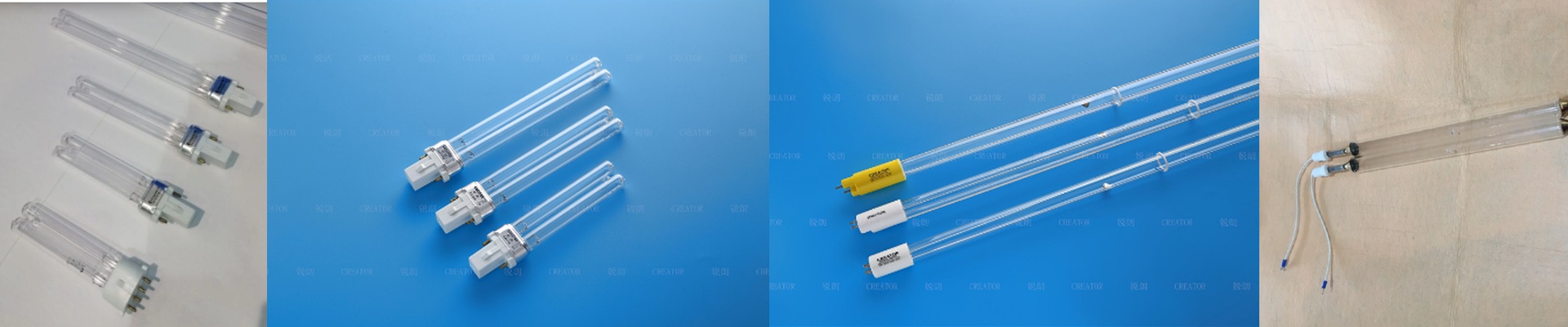
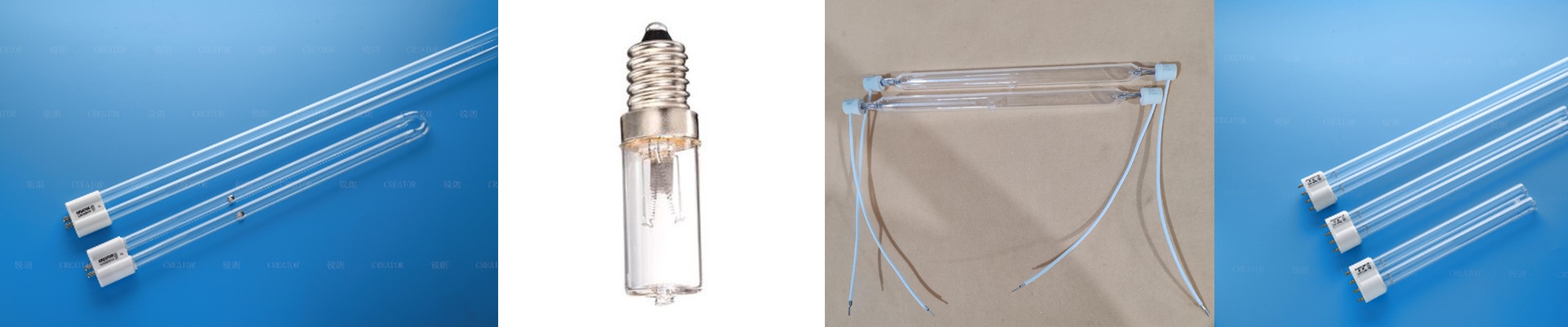
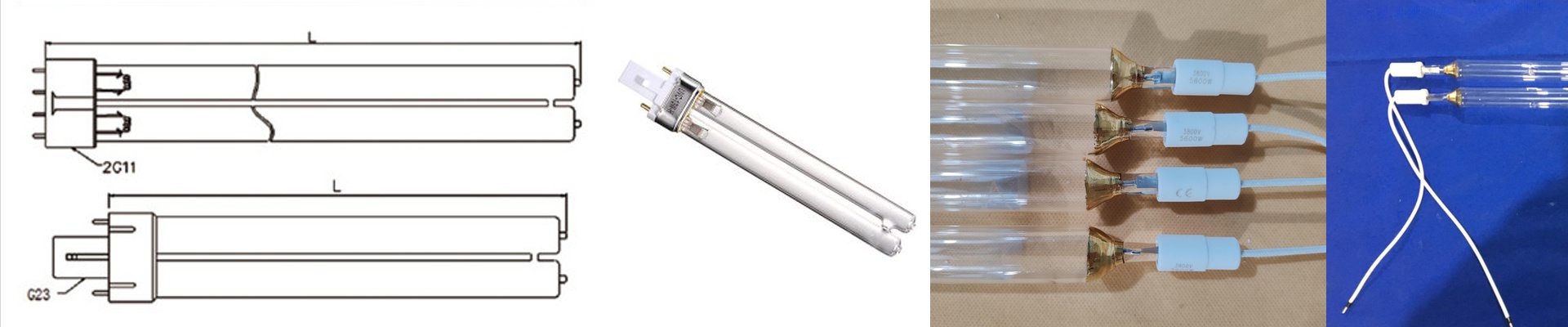
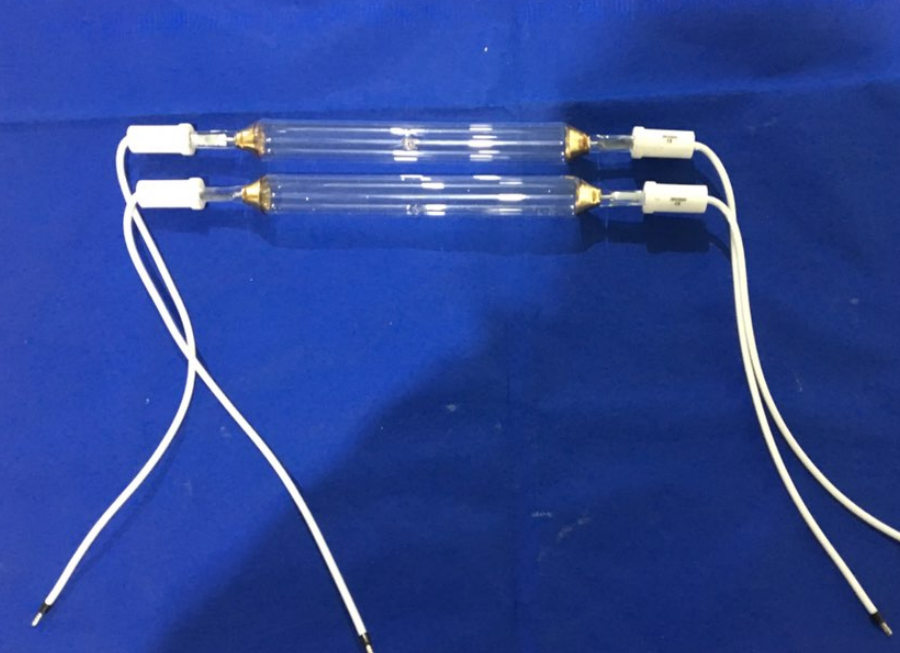
The envelope is high-purity quartz. It handles the thermal shock of rapid on/off cycles and keeps transmitting UV without getting cloudy. We carefully control the wall thickness so you get the right balance of pressure rating, durability, and UV transmission. The mercury charge inside is measured precisely and sealed under controlled conditions. That’s what keeps the arc stable, so the output doesn’t drift during long runs. We use an R7s connector because it’s a proven industrial interface. It gives solid contact, handles high current, and makes replacement quick. The ceramic end caps and rugged lead-in wires are built to take the heat and the vibration of shop-floor equipment.
Where It Shines—and Why It Matters
This setup is made for industrial UV work where repeatability is everything—curing lines, drying, surface treatments that run for hours. The 80W/cm density gives you the intensity to hit your cycle times, while the stable arc keeps part quality consistent. Installation is simple. Wire it to the ballast, line up the R7s contacts, and the lamp seats cleanly. The compact footprint means you can retrofit older lines without redesigning the whole machine bay. We’re not promising magic. We’re promising repeatable performance—when the power supply, cooling, and reflector geometry are spec’d right. Under those conditions, the lamp runs like a permanent piece of process equipment, not a consumable you’re always chasing.