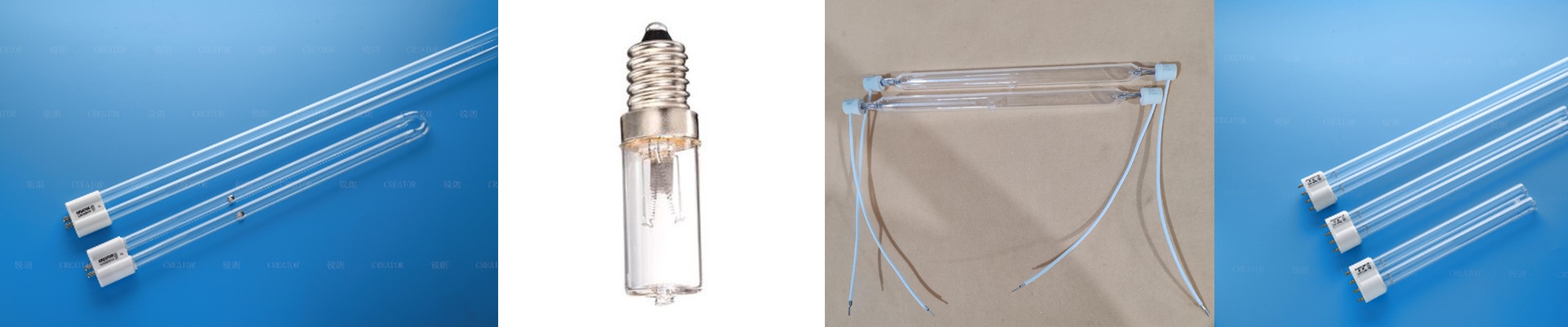
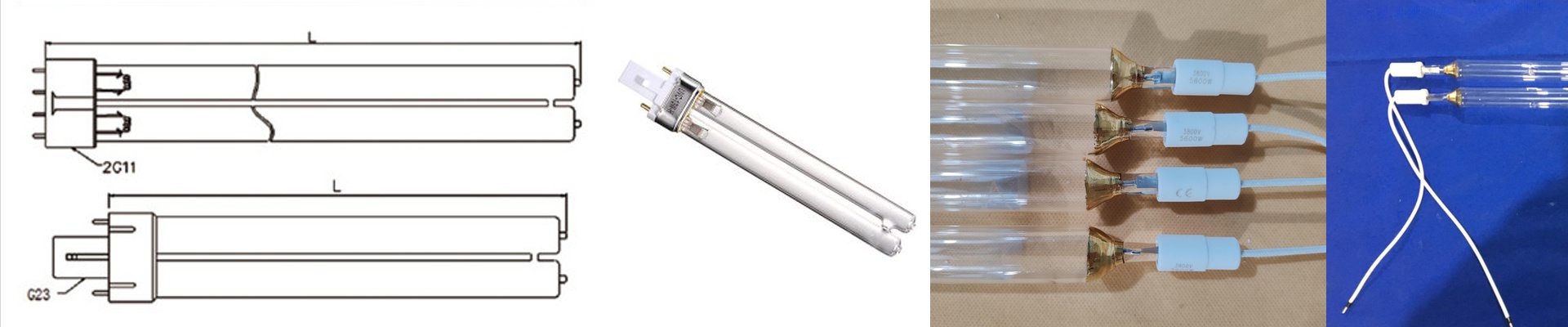
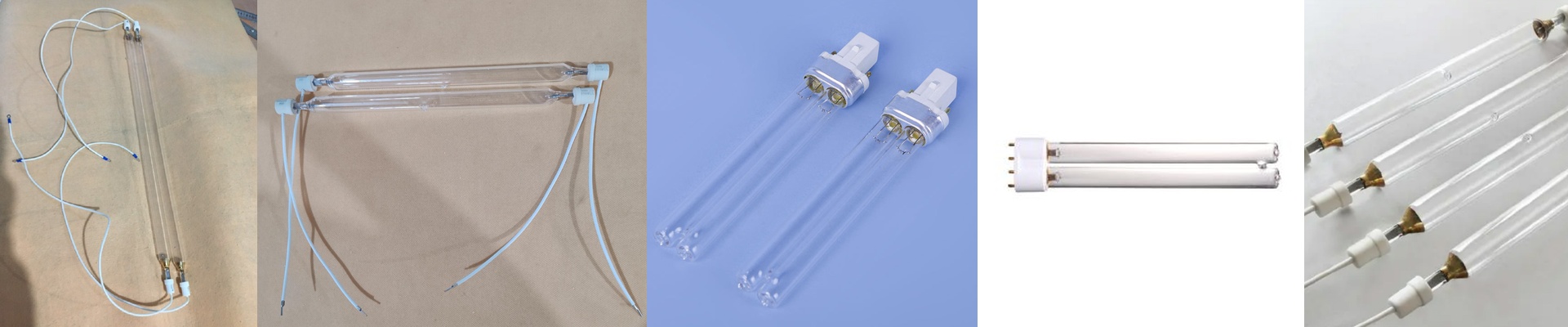
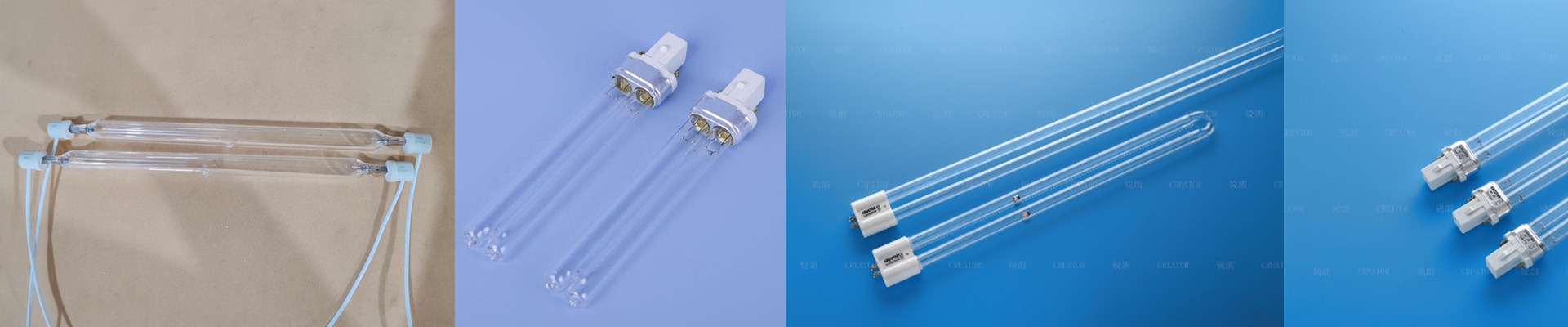
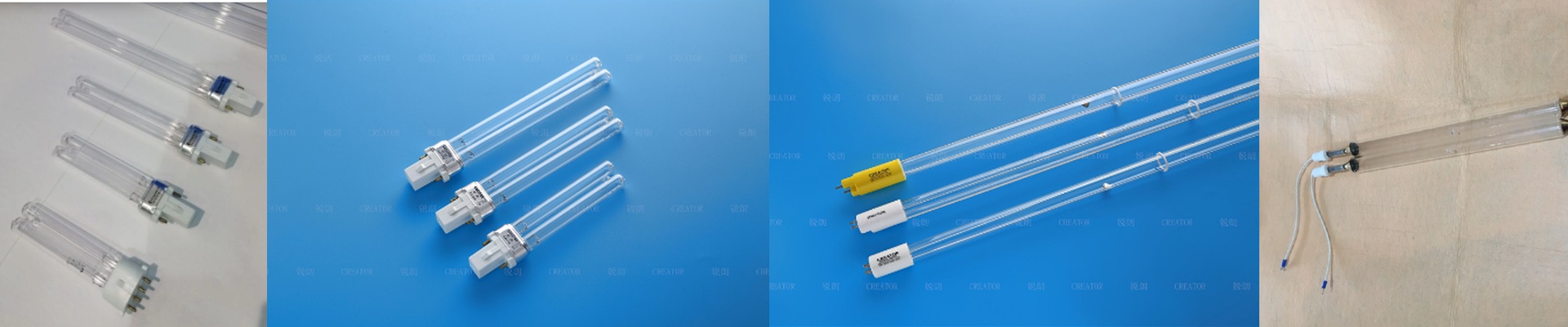
On the bench, fly tying runs at speed—resin placement, thread lock, and coating set all have to happen in seconds without scorching synthetics or naturals. When the lamp doesn’t pull its weight, you see it fast: tacky surfaces, incomplete cross-linking, and scrap that rework won’t save. We don’t treat UV curing as a bolt-on. We spec and set a lamp system around your workflow, then back it up with on-site diagnostics. Here’s what actually matters: results you can measure, not claims. The fly-tying UV curing lamp we run is an ozone-free high-pressure mercury vapor source, tuned to a spectral profile centered at 365nm. At the work plane, it hits peak irradiance above 800 mW/cm² and holds a stable energy density of 800–1200 mJ/cm² across the cure window. The reflector is built with a high-purity anodized aluminum core and a dichroic coating, so the output band is shaped to cut IR heating and drive photoinitiator absorption. Output stays repeatable within ±5% over lamp life, and the quartz envelope supports 100,000 ignitions without the intensity drift that gives you under-cure. The reason it works is straightforward: we match the lamp to the resin chemistry and your fixture geometry, then verify it on your bench. You get faster cycles, fewer rejects, and predictable lamp replacement intervals. A closed-loop ballast keeps energy draw in check, and the system can be configured for 110–240V with standard industrial connectors for straightforward integration. One constraint you can’t outrun: spectral output and intensity are sensitive to distance, reflector alignment, and ambient temperature. If the lamp-to-substrate gap opens by 10mm, expect a 10–15% intensity drop. Keep cooling airflow steady so the arc tube stays within spec. We’ll come in, validate the setup on your floor, measure curing dose with a calibrated radiometer, and leave you with a documented operating window that holds up shift after shift.