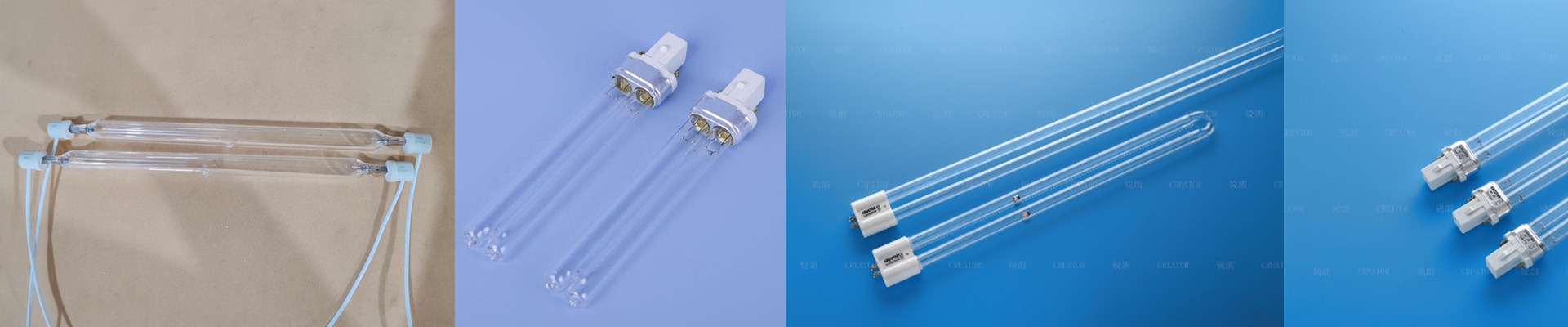
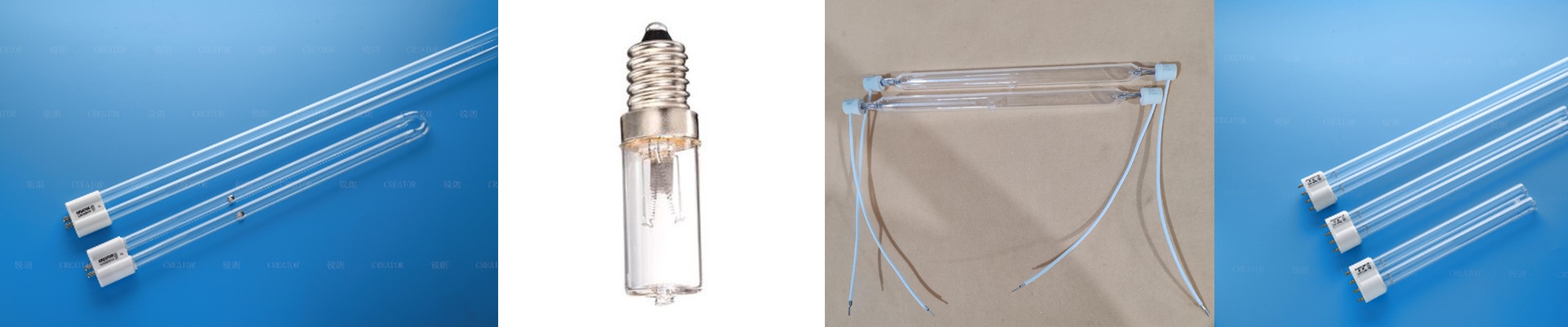
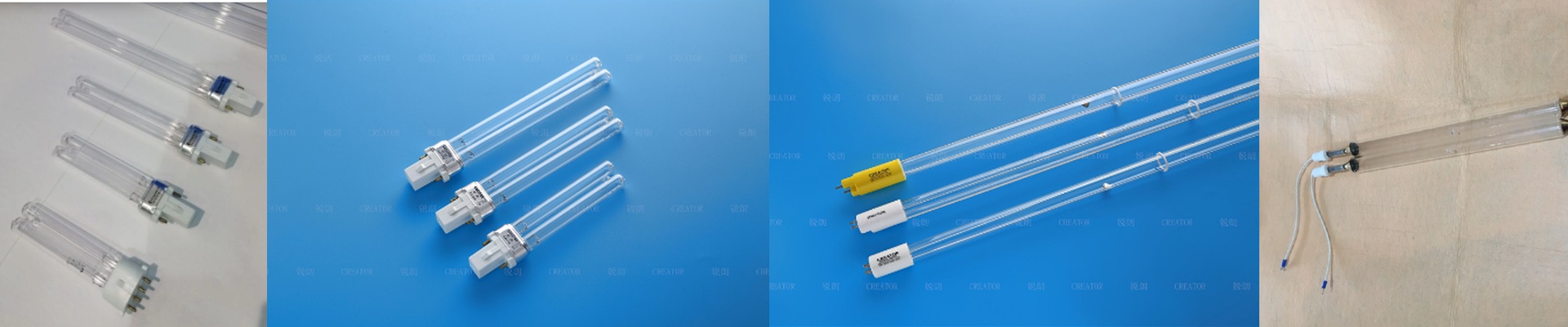
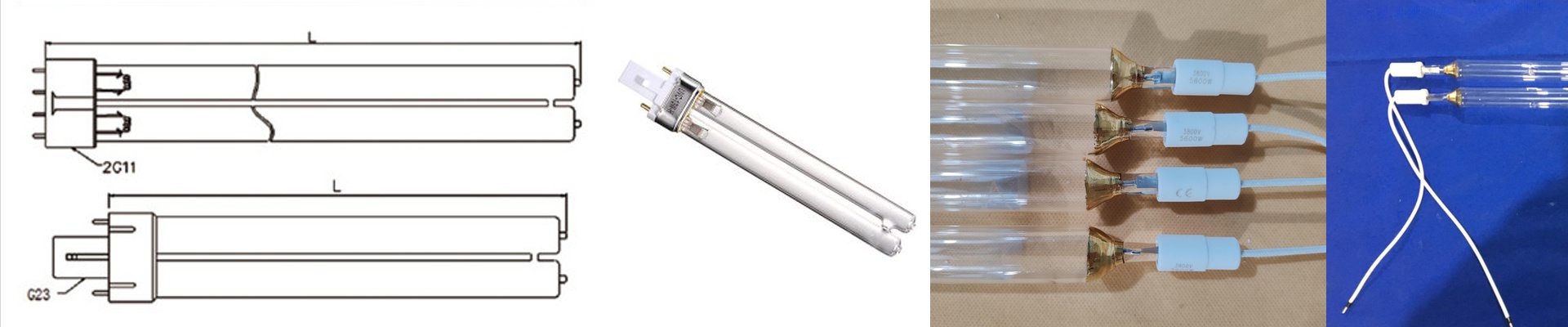
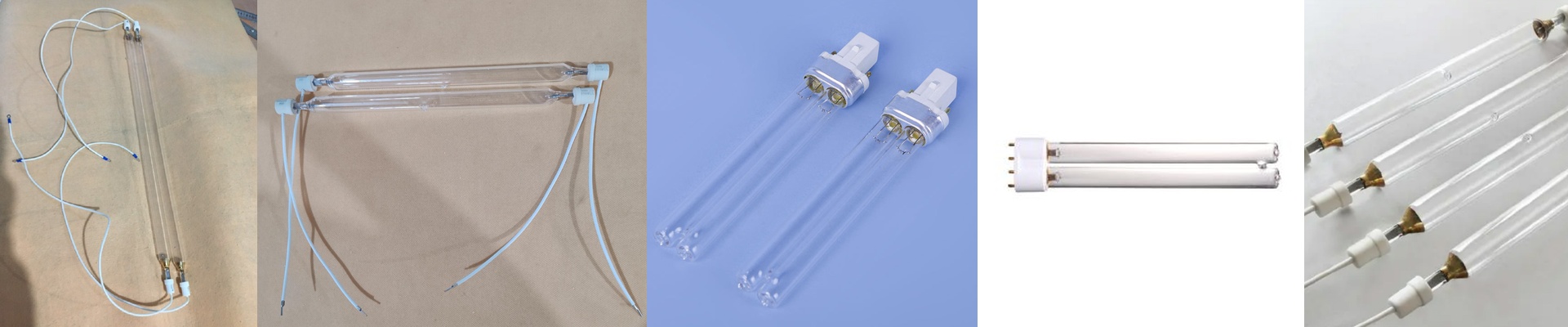
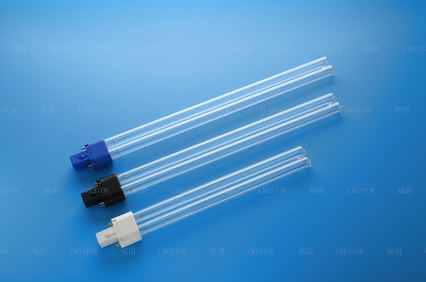
On an electronics printing line, one overheated component can wipe out an entire batch. The real question isn’t whether UV curing can deliver speed and adhesion—we know it does. The question is whether the lamp can deliver controlled energy without cooking the substrate. We built our UV curing lamps around that constraint. Start with spectral output. End with a repeatable process window you can count on shift after shift. What matters under the hood We spec mercury vapor lamps with tight spectral control—usually 365nm or 385nm—matched to the photoinitiator absorption in the UV inks and coatings. Peak irradiance gets tuned through reflector geometry and dichroic coatings, so energy lands where the ink needs it, not as broad-spectrum heat. We keep output stable with arc-power regulation, so the energy density hitting the substrate stays consistent. That approach lowers peak surface temperatures and helps you avoid warping and delamination on delicate micro-components. Why this works in real production In precision printing—offset, flexo, screen, or gravure—you need curing that follows the ink film, not the machine’s maximum wattage. With these lamps, you can dial intensity down over thin traces, polyimide, or low-Tg laminates and still get full cross-linking. You end up with fewer rejects, a stable print-to-cure window, and predictable throughput. Energy use drops too, because you run at the minimum irradiance required, not at some fixed, over-the-top setting. The practical details you can’t skip Compatibility comes down to the exact lamp dimensions, arc length, reflector profile, and the cure window your press needs. Installation means matching the reflector to the substrate path and making sure ozone is managed—especially in confined chambers. Plan for end-of-life behavior. Output decay is normal, so monitor with a spectral radiometer and budget lamp changes to keep your validated energy density intact.