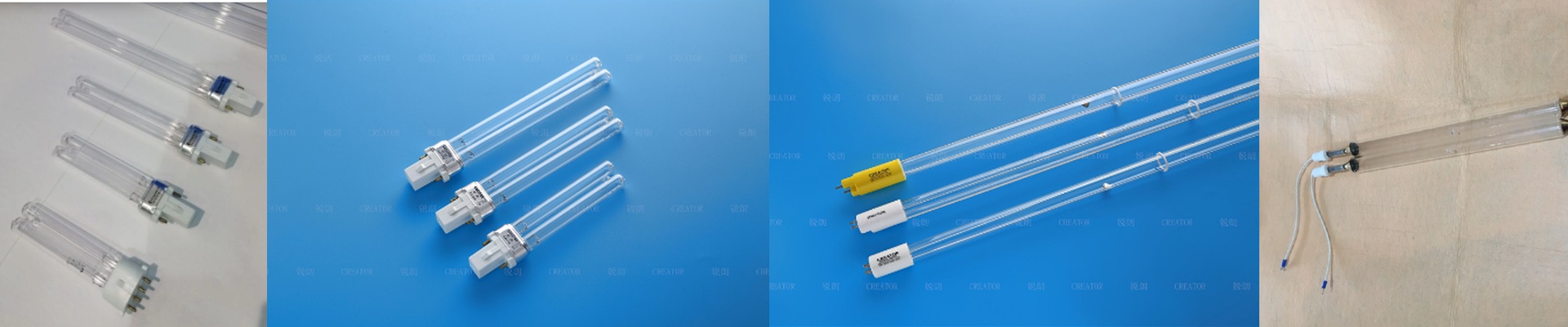
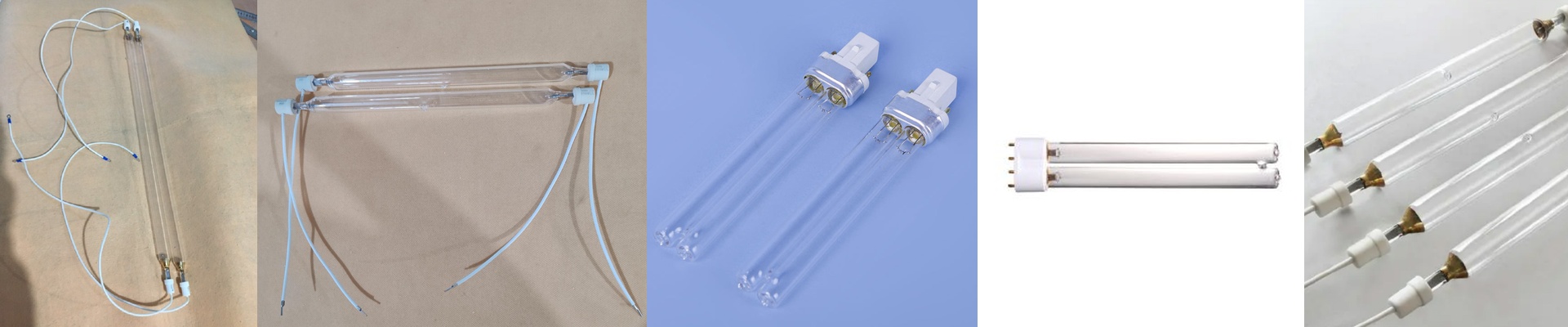
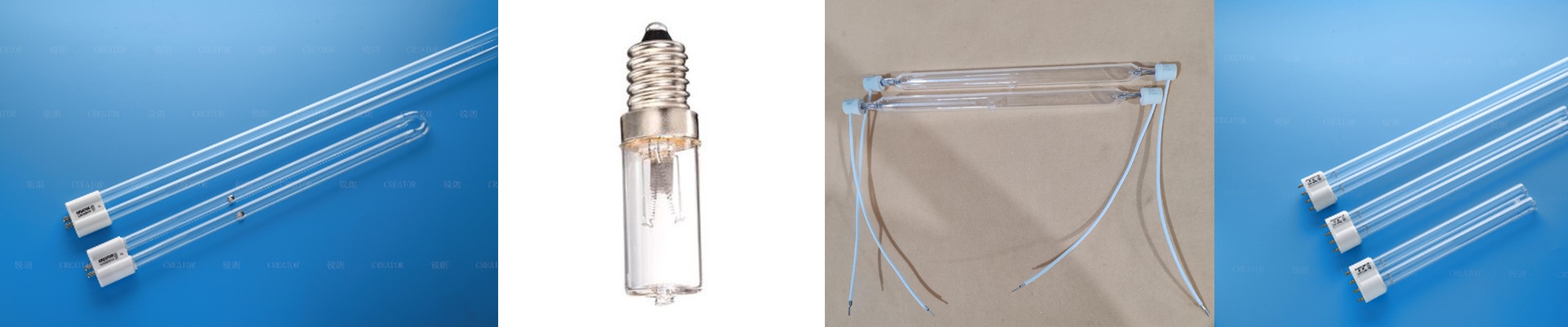
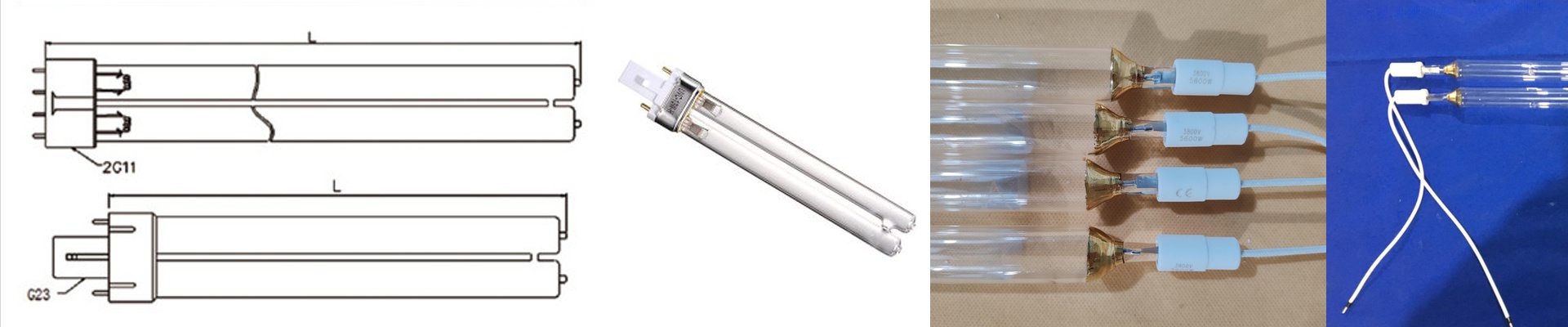
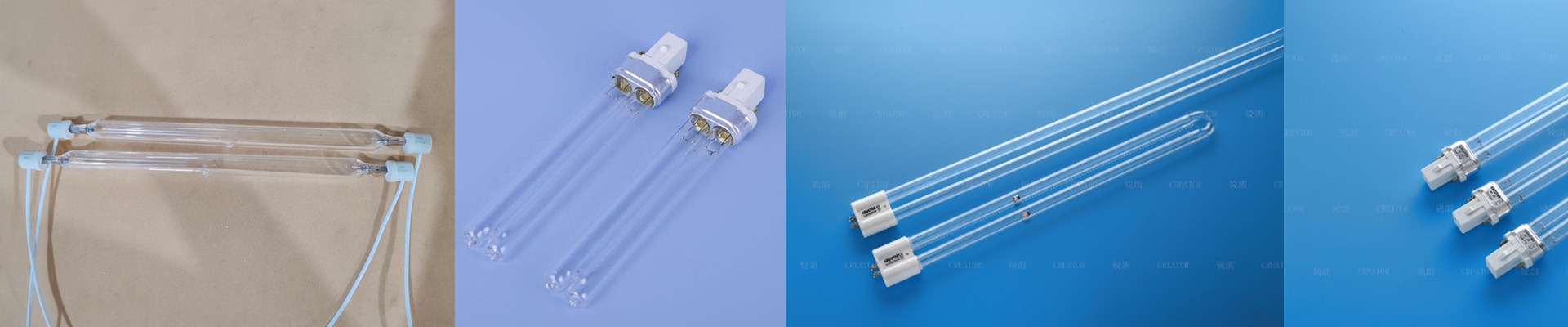
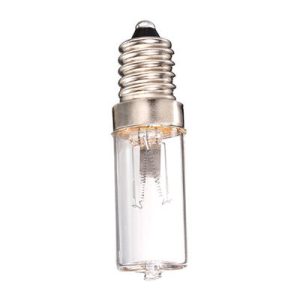
On a ceramic line, a 0.5% drift in spectral energy isn’t a “tolerance.” It’s a reject pile. We built our gallium UV lamp for ceramic print to kill that variable, because in high-speed inkjet decoration, curing is the bottleneck you can’t paper over. What actually matters, technically This is a gallium-doped, ozone-free mercury vapor lamp, engineered to hold stable UVA output—usually centered around 385–405 nm, depending on the initiator chemistry you’re running. The arc geometry and dopant profile are tuned for a narrow spectral band, so the photoinitiators in ceramic inks absorb cleanly and cross-link evenly. Peak irradiance stays consistent across the full substrate width, thanks to a reflector set with dichroic coatings that knock out unwanted IR and keep the curing window repeatable. We’re talking long life and low decay: these units routinely hit 5,000+ hours with under 5% output loss, measured against a calibrated spectral radiometer. Why it holds up on a ceramic line Ceramic tile decoration needs a deep, uniform cure without turning the substrate into a hot plate. The gallium spectrum lets you back off on photoinitiator load while still getting surface cure and adhesion, so you can speed up without pinholing or adhesion failures. Energy density becomes predictable, which means you can lock in line speed and lamp settings—and keep them there, shift after shift. Fewer lamp swaps also mean fewer stops, fewer warm-ups, and lower energy per part. The details that keep you out of trouble Match the lamp to the printer’s reflector geometry and ballast. If the reflector focal height and drive current are mismatched, the spectral curve gets distorted and you lose the precision you paid for. Expect a warm-up window for spectral and thermal stability, and run the lamp at its rated current—not higher—to preserve life and keep spectral consistency. And confirm the substrate temperature limits. Even with IR under control, high-speed curing still makes heat, and that heat has to be managed in the dryer layout.