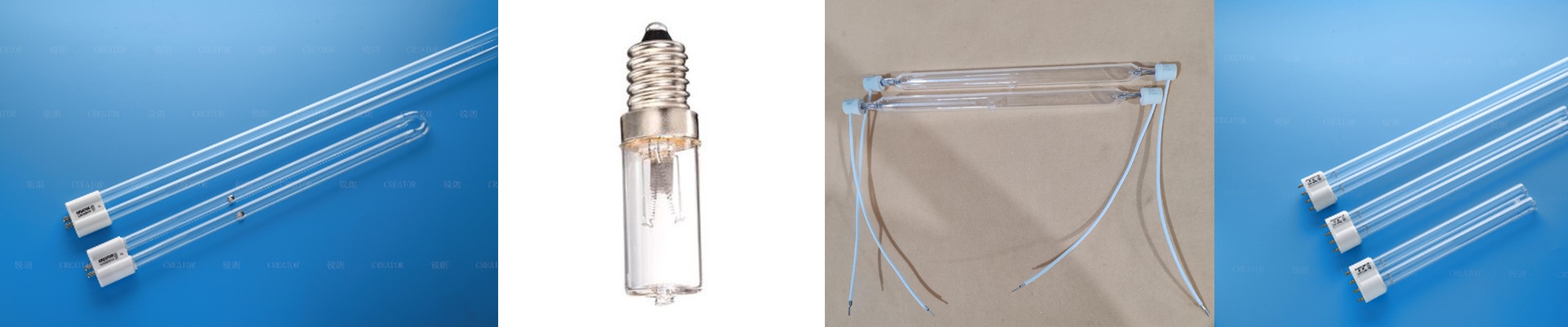
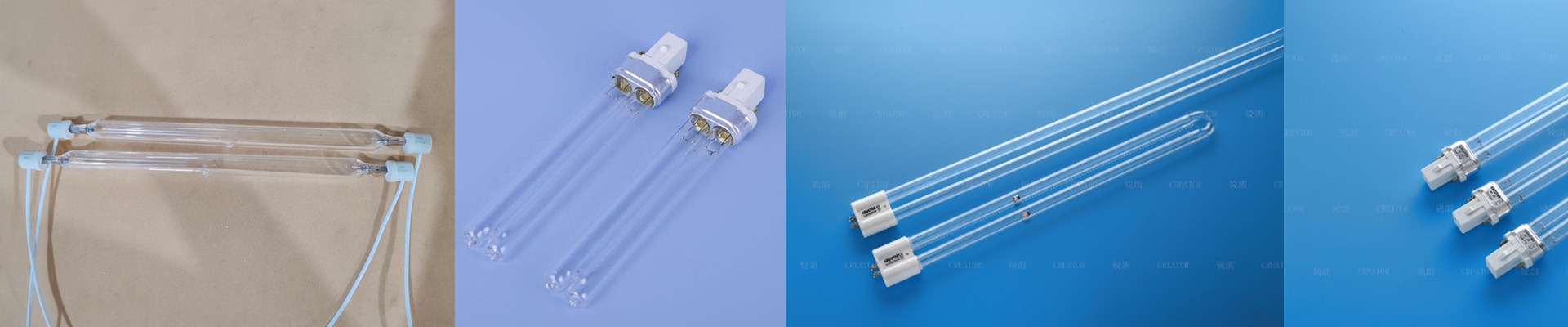
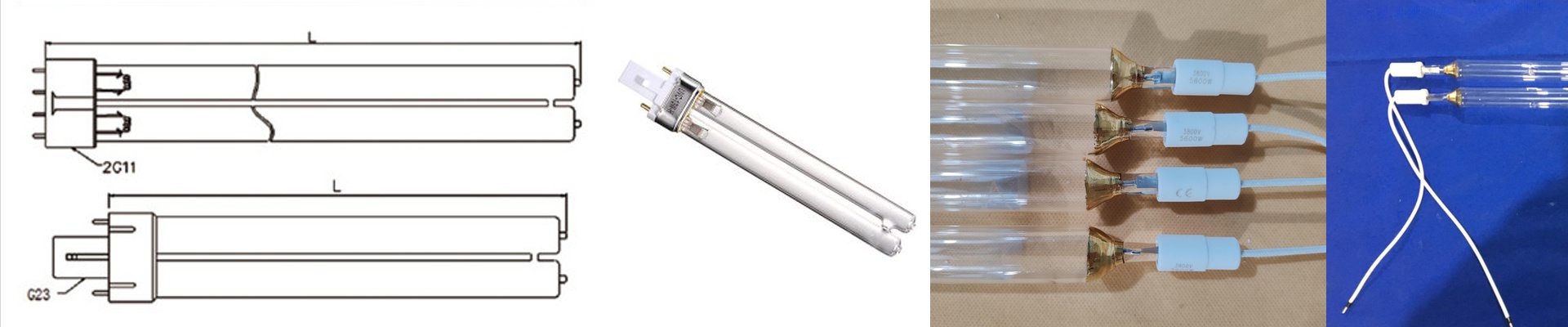
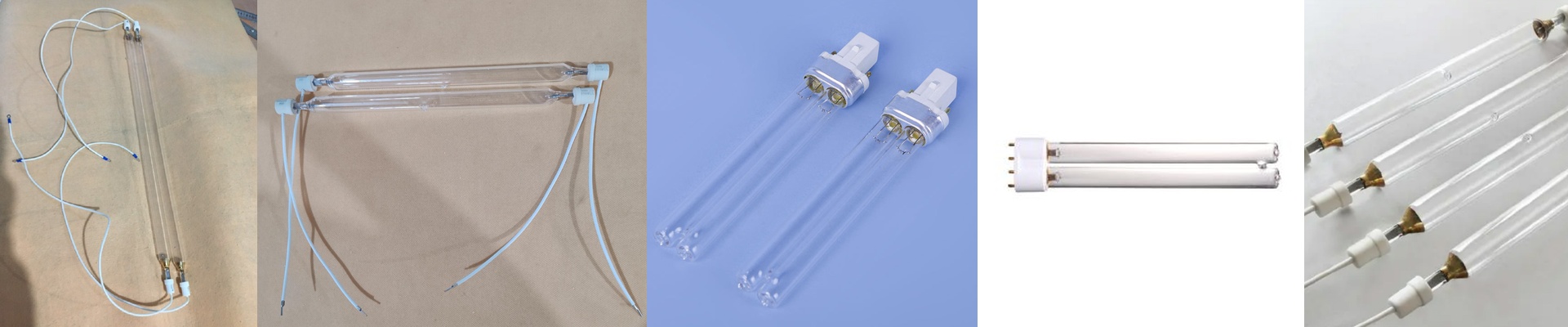
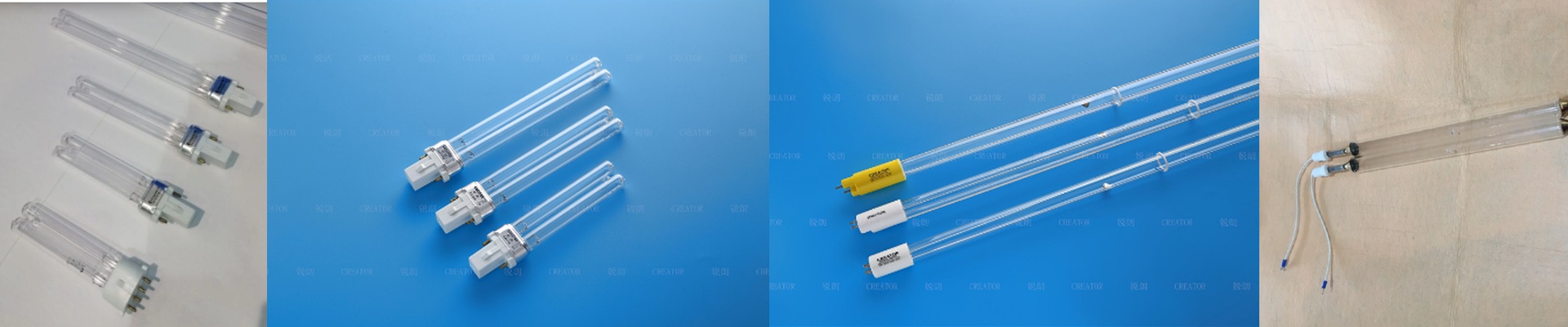
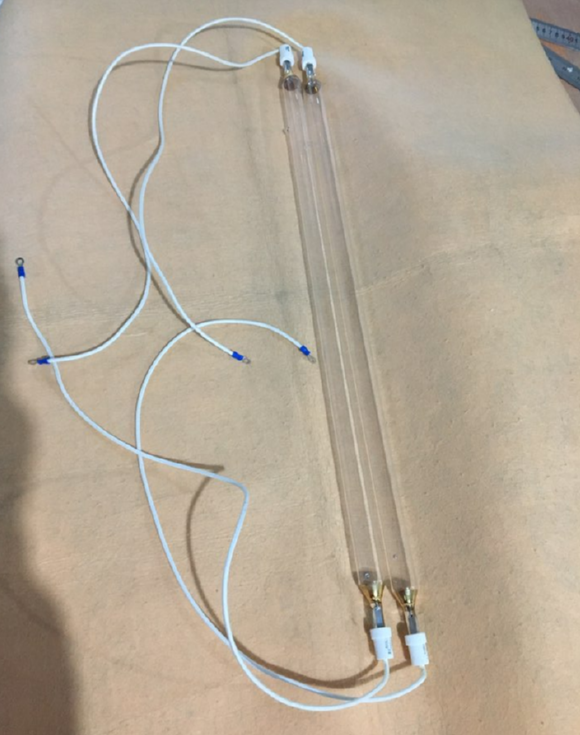
On the press floor, UV downtime doesn’t feel abstract. It’s substrate going to waste, sheets getting scrapped, and throughput bleeding away while you stare at a failed lamp. The old drill—unbolting fixtures, fighting the wiring, trying to get the reflector lined up again—can eat an hour. Sometimes two. We built this high-intensity gallium UV radiator to stop that cycle. What matters technically We’re matching the photoinitiator absorption peaks that actually drive curing in UV offset, flexo, and screen inks. Output stays centered at 365 nm and 395 nm, with tight spectral control so you don’t cook thin films and heat-sensitive substrates. Peak irradiance at the substrate plane is engineered to exceed 12 W/cm²—enough photon density for rapid cross-linking. The reflector uses a dichroic coating tuned to those same wavelengths, so you get more usable UV flux and less IR bleeding onto the web. And the ozone-free quartz envelope keeps the workspace cleaner and cuts down on maintenance for ozone scrubbers. Why it works on a real press The design is modular, with a quick-swap connector that brings power, cooling, and positioning together in one interface. When a lamp goes down, you swap the whole module in under two minutes. No re-wiring. No reflector re-alignment. No recalibrating the curing station geometry. That kind of speed translates into predictable OEE, fewer make-ready sheets, and a consistent cure across the run—even on high-speed presses where dwell time is tight. Here are the practical details Installation comes down to matching the lamp footprint and electrical interface to your existing UV curing station. Verify the reflector cavity geometry and power supply compatibility before you order. The lamp likes clean, dry airflow and stable line voltage. Spikes and poor cooling will shorten lamp life and can shift spectral output. Expect a 500-hour lamp life at full intensity under recommended conditions, and keep spare modules on hand so that 2-minute swap stays practical.