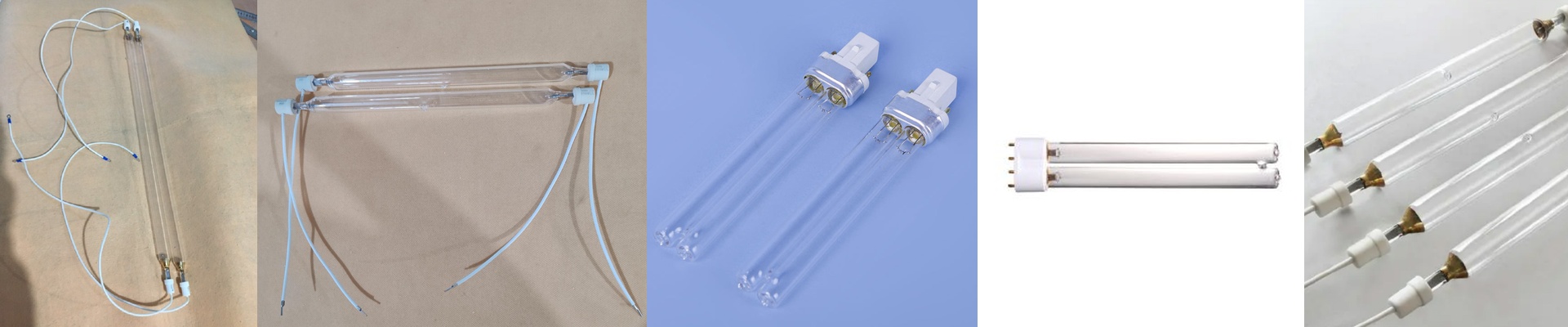
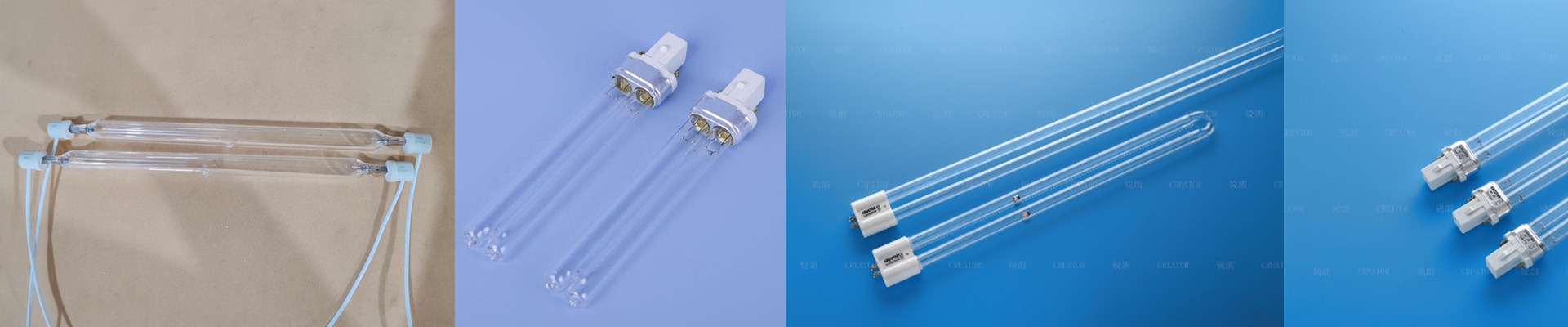
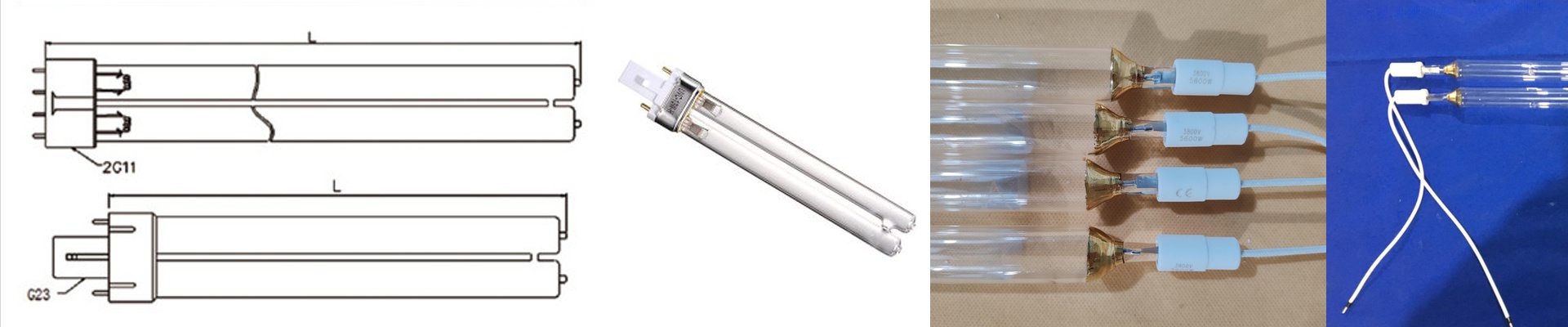
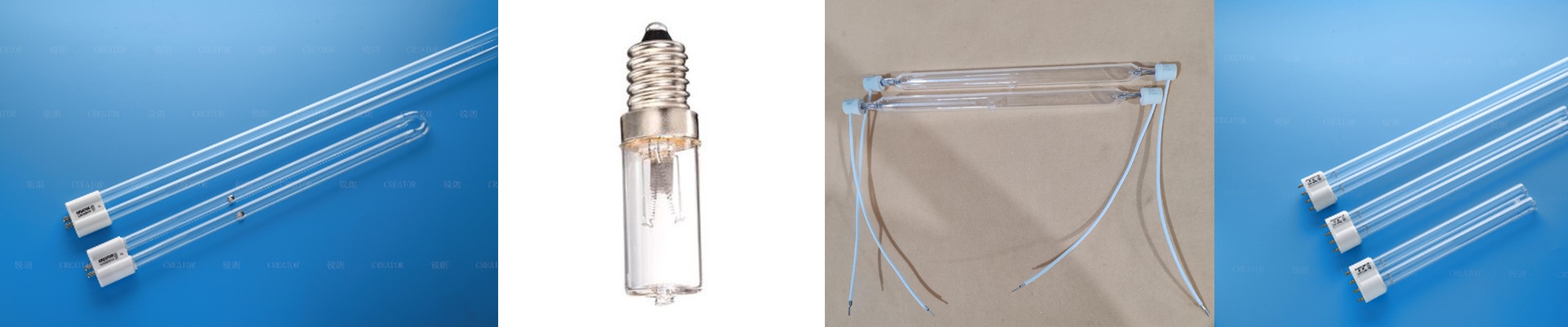
On the press floor, nobody counts success by how many lamps you’ve got. It’s about steady spectral output and predictable curing energy density, shift after shift. When the mercury vapor lamp in your UV curing unit runs hot, two things happen fast: the arc loses its stability, and the lamp envelope burns out sooner. You see it on the sheet—uneven cross-linking, ink that stays tacky on the substrate, and surprise stops just to swap parts. Cooling isn’t an accessory. It’s the boundary condition that decides whether your UV system behaves like a repeatable process or a moving target.
What matters under the hood
A high-pressure mercury lamp is a thermal device, plain and simple. The arc tube runs at temperatures that can top 800 °C, and the spectral output—centered on the UV lines at 365 nm, 385 nm, 405 nm, plus broadband IR—shifts and decays the moment the tube drifts outside its designed thermal window. We build the cooling stack to hold arc-tube temperature with tight tolerance. That means:
- A reflector geometry matched to the lamp envelope, with dichroic coatings chosen to reflect the target UV while letting IR pass through. The reflector does double duty: it shapes the beam for uniform irradiance on the substrate and pulls heat off the lamp body.
- A heat path engineered for high conductance: lamp-to-reflector interface, then into an extrusion or heatsink, then out via forced air or liquid cooling. The goal is keeping the lamp jacket in the temperature band that preserves arc stability, not chasing the coldest number you can hit. Why does that translate into real performance?
- Peak irradiance stays consistent. When the arc tube overheats, the vapor’s electrical resistance changes, the arc wanders, and the peak irradiance at the substrate plane drifts. That drift throws off photoinitiator excitation, and the cross-linking reaction stops following the ink formula.
- Spectral distribution stays stable. Mercury lines are sensitive to pressure and temperature. Overheating broadens and shifts the spectrum, which cuts the effective photon flux at the wavelengths your ink is counting on.
- Curing energy density becomes repeatable. Energy density (mJ/cm²) is irradiance times exposure time. If irradiance is stable, you can set a process window and live in it. If irradiance swings, you start compensating with speed changes, and that’s how you get under-cure or over-cure. We size cooling to a thermal budget: how much heat must be removed to hold the lamp at its rated junction temperature, and how quickly the system recovers after a production interruption. In practice, that means less than 5% output drop after 30 minutes of continuous duty, and recovery to setpoint within seconds after a short stop.
Why this matters in printing
In industrial UV printing—offset, flexo, and screen—the substrate isn’t the only variable. Ink thickness, pigment loading, and the photoinitiator package all shift the required dose. The lamp and cooling have to deliver a stable dose profile across the web or sheet, or you’ll see adhesion issues, scuffing, and cure gradients. With a properly engineered cooling stack, the lamp runs at the temperature it was designed for. The payoff is operational, not academic.
- You keep the same spectral output from startup to shutdown. No warm-up drift. No mid-shift drop in UV intensity.
- The lamp envelope ages predictably. Thermal shock and overheating are the main drivers behind envelope embrittlement and end-of-life failure. Controlled temperature extends useful life and cuts the frequency of lamp changes.
- Your process becomes transferable. When you move a job between machines, you can reuse the same curing recipe because the irradiance profile and spectral distribution are repeatable. Motion sensor UV sterilization lights run on the same physics. Whether it’s surface disinfection in a workshop or air handling in a pressroom, the lamp still throws off serious heat. The difference is that in sterilization, the “dose” is the UV-C photon fluence delivered to the microorganism. If the lamp overheats, output falls and the disinfection cycle gets inconsistent. A well-designed cooling system keeps the lamp inside its rated thermal window, preserving output and life. Back in printing, the practical gains show up where it counts.
- Fewer web breaks and rejects from tacky ink, because the curing front stays consistent.
- Stable cure on thick ink deposits, because the reflector and cooling hold the lamp at the required peak irradiance, not a decaying one.
- Predictable maintenance windows. You schedule lamp replacements based on hours and output curves, not sudden failures.
The details that make or break it
Cooling only works when it’s matched to the operating environment. Three real-world constraints matter. Airflow has to be treated as part of the lamp system. If the ducting, filter, and air velocity are undersized, the lamp runs hot even when the heatsink is right. We specify minimum air volume and static pressure at the reflector inlet. Plant air that’s dirty or oily will load up the filters, airflow drops, lamp temperature climbs, and output drifts. Mounting and alignment directly affect thermal contact. The lamp has to seat cleanly in the reflector cradle with the specified clamping force. Any gap becomes a thermal resistance that shows up as hot spots, uneven irradiance, and accelerated stress on the lamp. Use the correct insulators and clamps, and torque to the defined value. Packaging always comes with trade-offs. Moving from air-cooled to liquid-cooled designs improves thermal stability and supports higher power density, but it adds complexity: pumps, heat exchangers, and coolant lines. Liquid cooling can be excellent for compact integration and tight thermal control, but it needs routine maintenance and leak monitoring. Air-cooled systems are simpler to maintain and scale across wide reflector widths, but they demand adequate airflow infrastructure. Ozone management has to be handled properly. Some UV lamps generate ozone at short wavelengths. The reflector and housing need ozone-free design features—typically a quartz sleeve or coatings, plus a venting strategy that prevents ozone accumulation in the work area. This isn’t optional; it’s a safety and compliance requirement in occupied spaces. If you want stable cooling to translate into stable curing, measure what matters: lamp jacket temperature at the rated duty cycle, spectral output at the substrate plane, and energy density across the web. Hold those three, and the rest of the process—photoinitiator activation, cross-linking, and finish—stops fighting the lamp.