Introduction
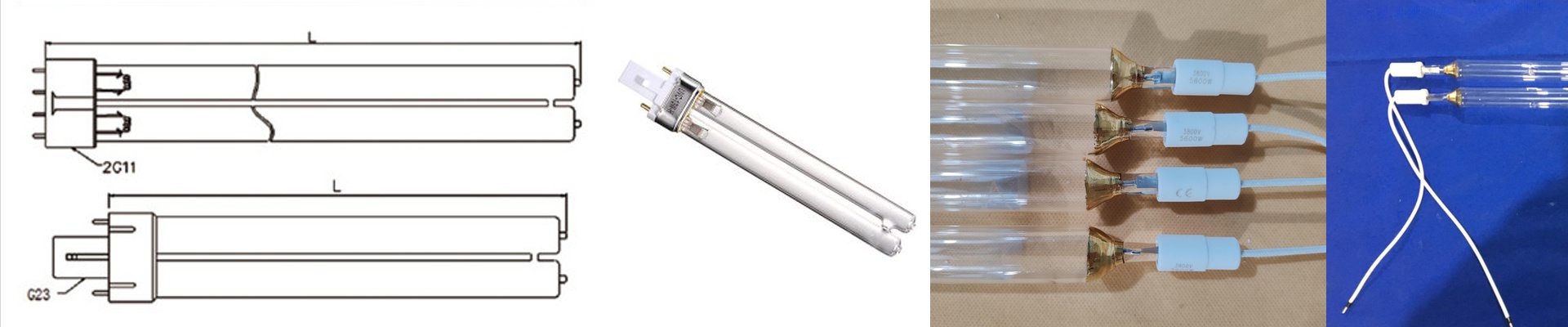
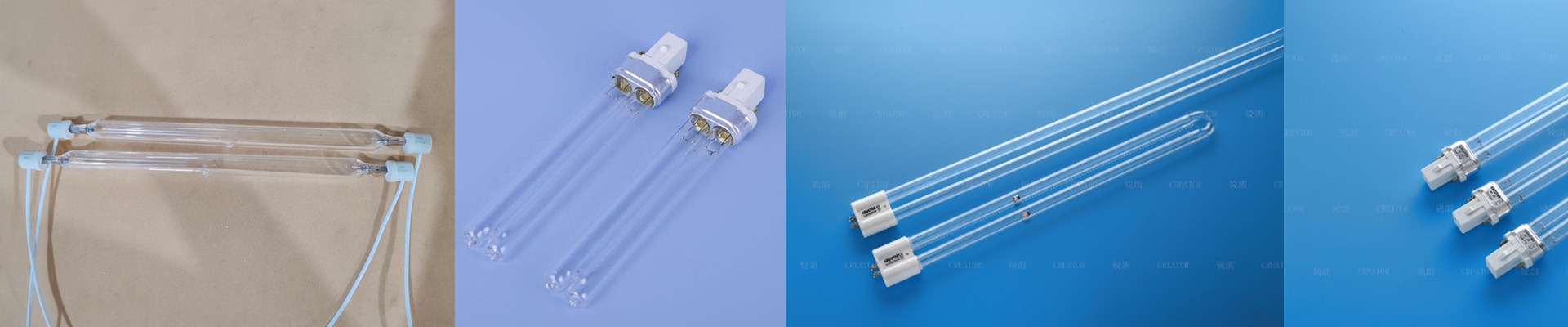
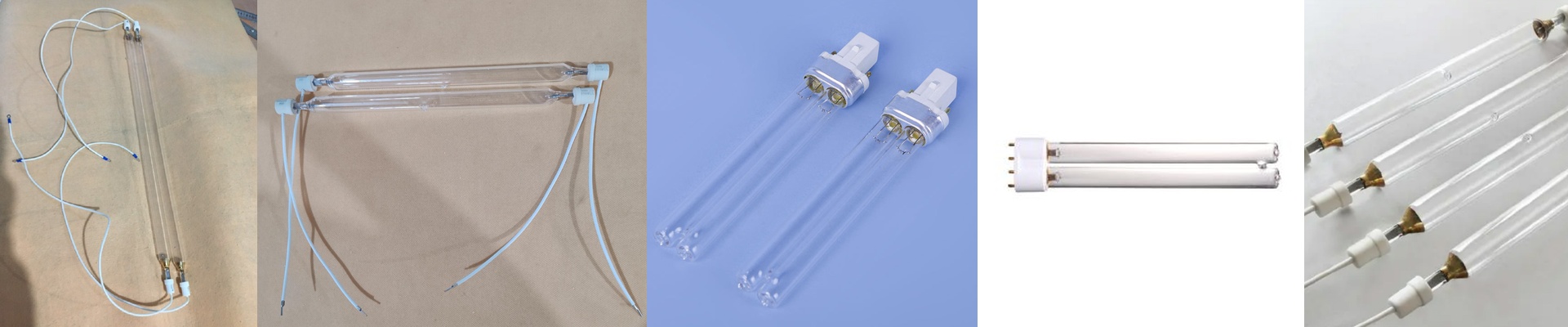
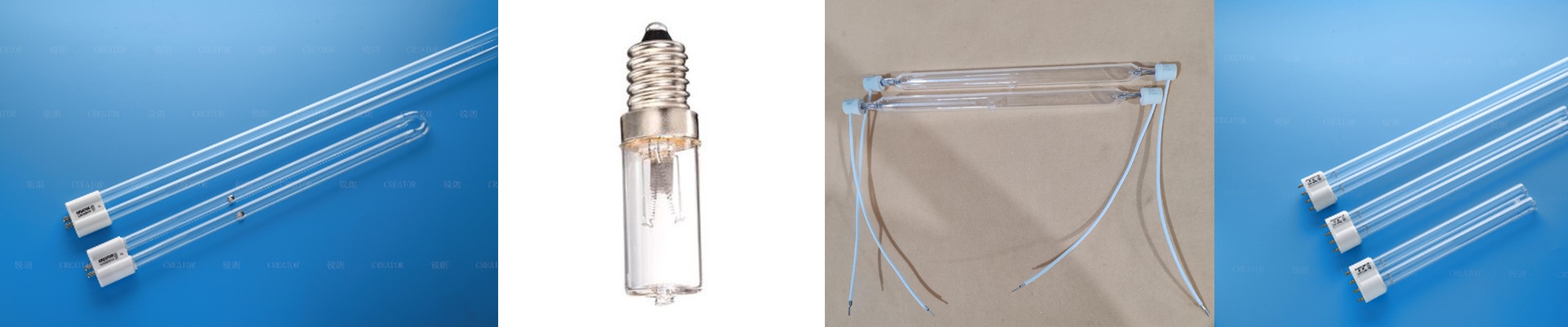
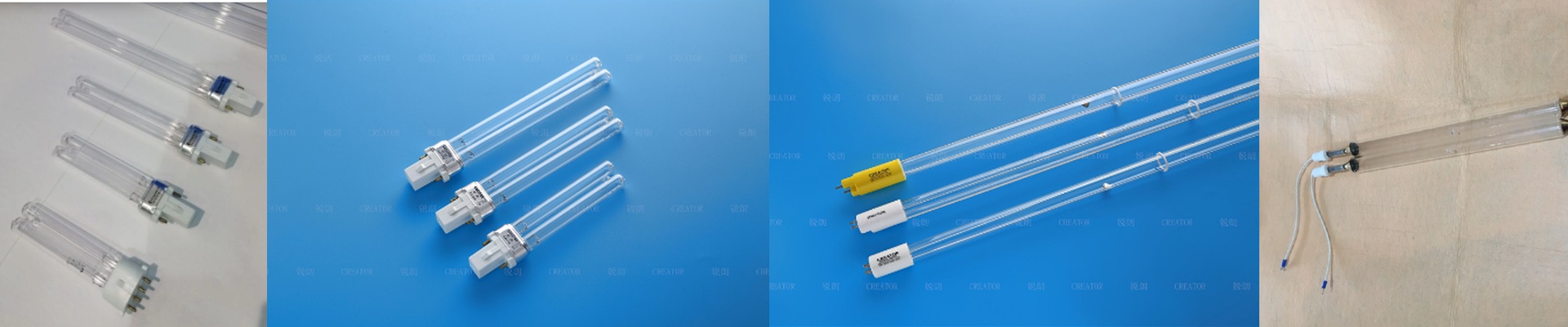
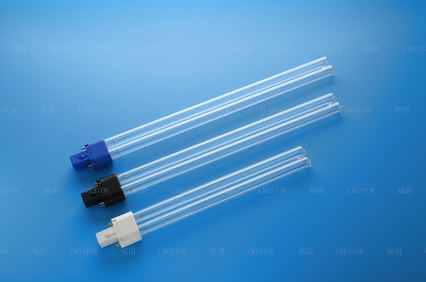
Let’s talk about disinfection robots in public spaces. The biggest bottleneck? Time. We built a UVC lamp that’s all about speed, specifically for electronics assembly lines. The kind of place where a robot has to finish its job fast, without overheating the delicate components nearby, and without slowing the whole line down.
The Secret Sauce
Here’s the core of it: this lamp runs on a high-voltage, high-current drive. That means it can pack a huge punch of disinfecting power into a small package. The payoff? A quick, intense burst of light that hits the target microbial dose almost instantly. No more long, drawn-out exposures. That shortens the robot’s work cycle, so it can get back to its next task sooner.
The Catch (And How We Handle It)
But packing that much energy into a small space creates a real engineering challenge. High power means heat, fast. And that heat has to go somewhere. You have to manage it carefully to keep the lamp stable and protect the electronics around it. The robot head needs solid airflow or a proper heatsink. If the cooling isn’t up to the job, you’re risking damage to the lamp and shortening the life of the components.
Smarts That Move With the Robot
Public spaces are messy. They change in layout, how they reflect light, and when people are around. A one-size-fits-all approach wastes time and can even be unsafe. So we gave the lamp smart control. It adjusts its intensity and how long it lingers based on the task at hand. It scales its power based on the target’s distance, how fast the robot is scanning, and the rules of the zone. The result? You get the same lethal dose, but with fewer passes. This is huge in electronics facilities. The robot shares the floor with people and sensitive gear. The lamp can dial it down when it needs to and crank it up when it’s safe to do so. You keep cycles short, and you stay compliant.
What This Means for You
For your disinfection robots on the assembly line, this setup translates into fewer minutes on each route, more throughput on a single battery charge, and a schedule you can actually count on. The lamp gets the job done faster because it delivers the required microbial inactivation in less dwell time. The robot clears high-touch zones quickly and gets back to work. We built this for the reality of your shop floor: tight spaces, strict thermal limits, and the need for work that’s repeatable and easy to track. If you want to cut cycle time without sacrificing reliability, just make sure your cooling and control interface are matched to the lamp’s energy.