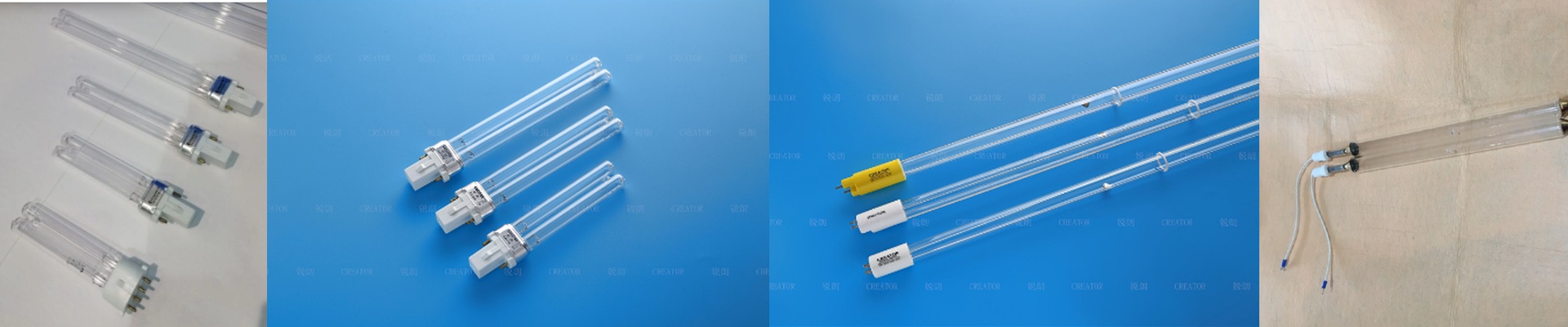
Why UVC Lamps Are the Real Deal for Stopping Germs in the Air
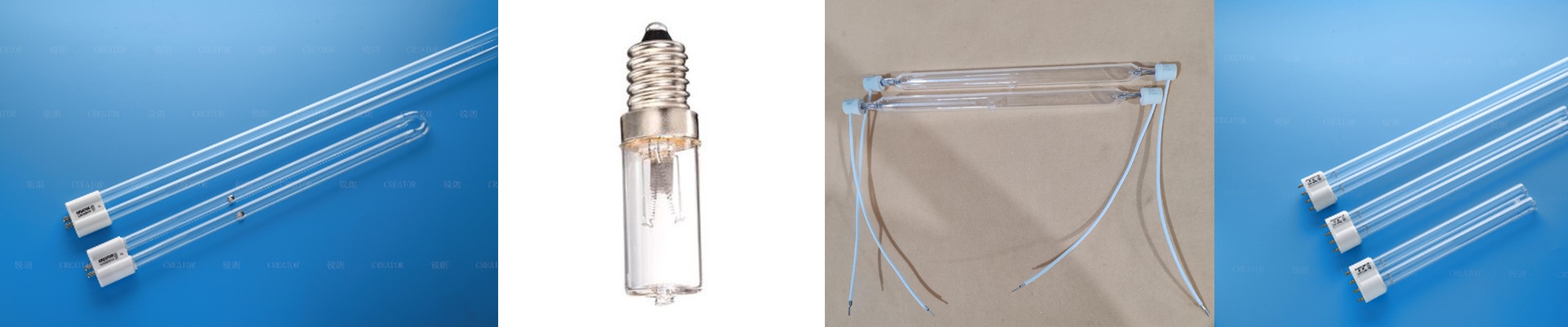
Here’s the truth about air purifiers: filters can catch dust and crud, but they don’t kill germs. They just move them around. That’s where UVC germicidal lamps come in. We built them to be the heartbeat of an air purification system, specifically to stop pathogens from jumping from one person to the next. How? By blasting microbes with 254nm UVC light. It breaks their DNA and RNA so they can’t replicate. This isn’t a fancy extra. It’s the main defense against biological risk.
The Power Behind the Light
A UVC lamp is only as good as its output. We tune the power and voltage so the lamp runs at its rated current—no underdriving, no guesswork. Underdriving kills performance and shortens the lamp’s life. We avoid that. We also size the lamp to match the airflow and the chamber. The length, the arc, the position—every detail is precise. That’s how you get the right dose of germ-killing power for every cubic meter of air.
Built to Handle the Heat (And the Humidity)
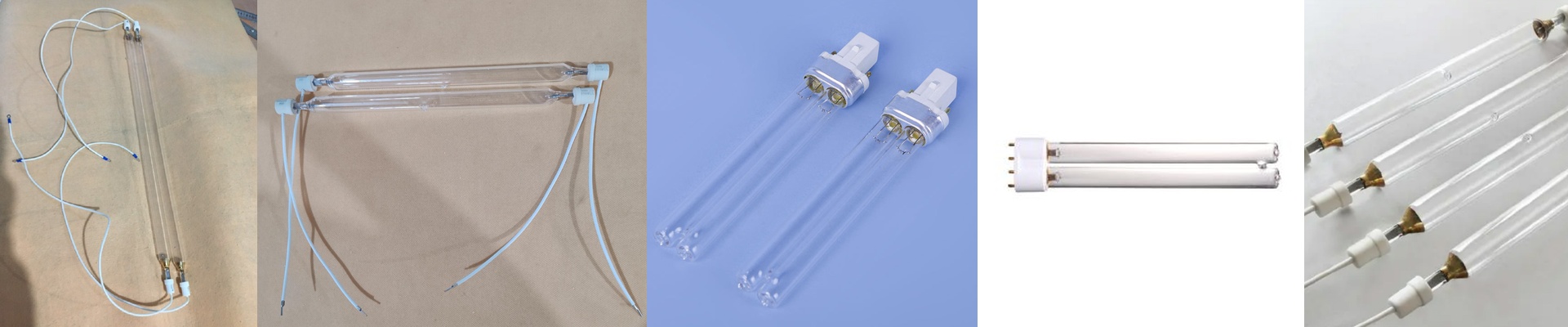
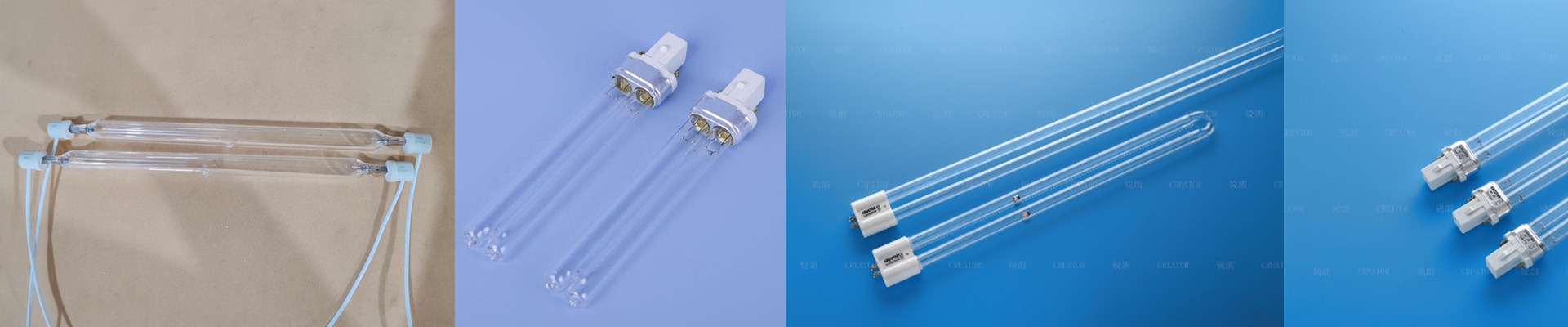
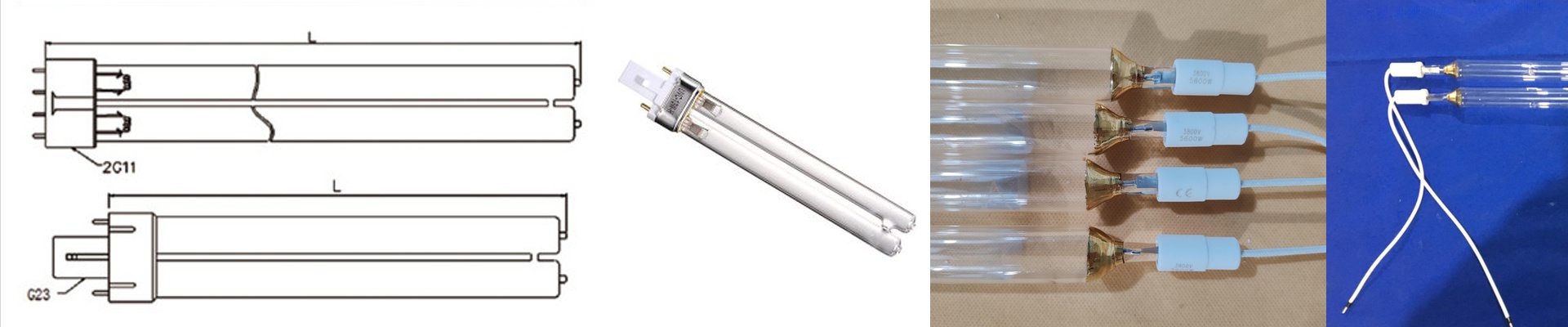
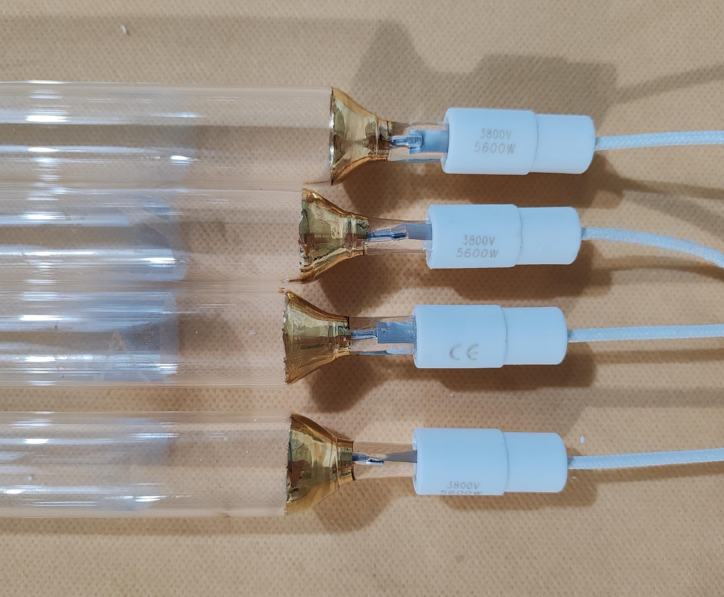
UVC doesn’t mess around. It needs materials that can take the heat, handle humidity, and still let shortwave radiation through. So we use high-purity quartz sleeves. They deliver strong UVC transmittance and stand up to thermal shock. Inside, an amalgam coating keeps output stable even when temperatures swing. So it performs reliably at startup and keeps going during long runs. The terminations are designed for solid contact and quick heat dissipation. Less hot spots means fewer ignition headaches and more predictable maintenance. In the real world, that means fewer surprises.
Made to Drop In and Just Work
When you’re building air purification gear, you want a UVC lamp that fits and then forgets about you. Ours drops into standard chambers with clear mounting and wiring. Assembly is straightforward. It handles constant cycling and heavy airflow without the output drifting. So your disinfection performance stays consistent, day after day. Now, a heads-up: high-intensity UVC creates heat. So your chassis needs decent airflow and smart thermal design to keep everything in spec. Do that, and you get a tough, serviceable solution that directly cuts the risk of pathogen cross-contamination. That’s the kind of protection that gives you peace of mind—quiet, dependable, and doing its job in the background.