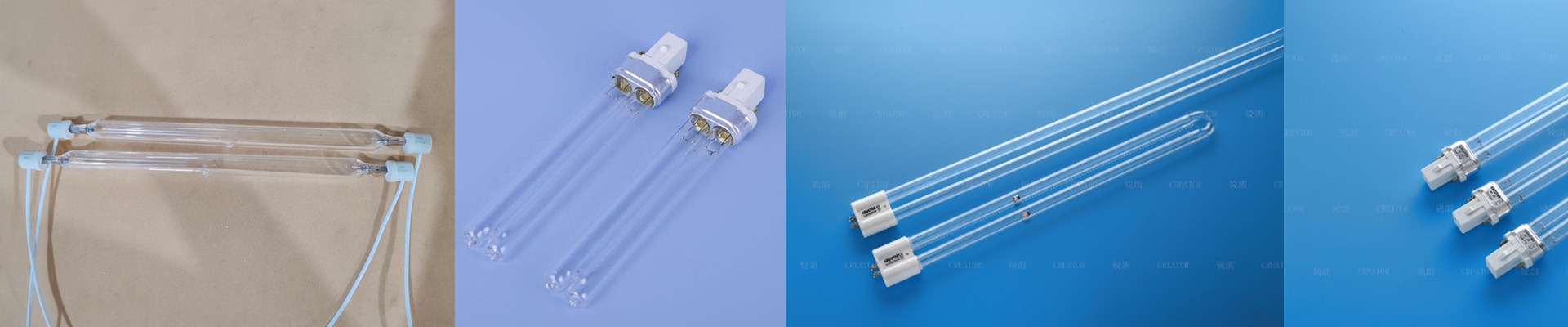
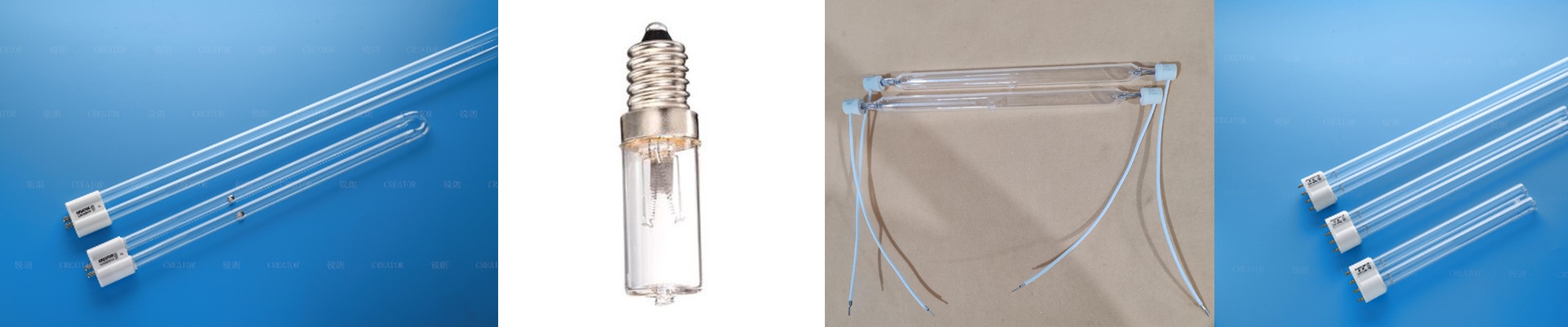
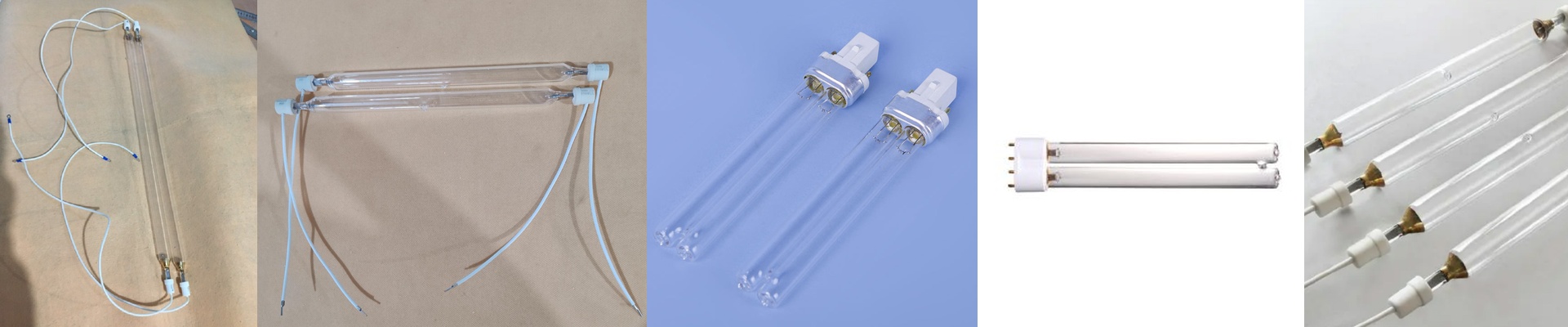
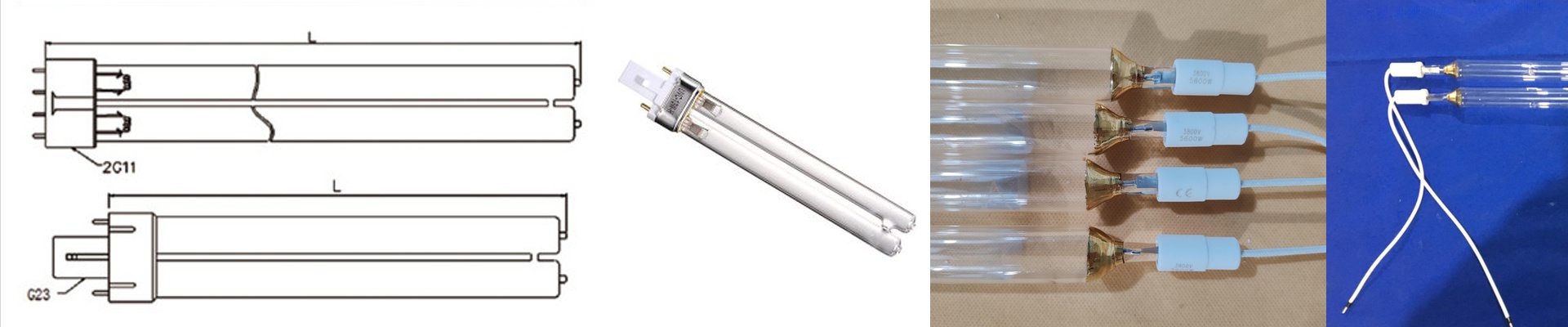
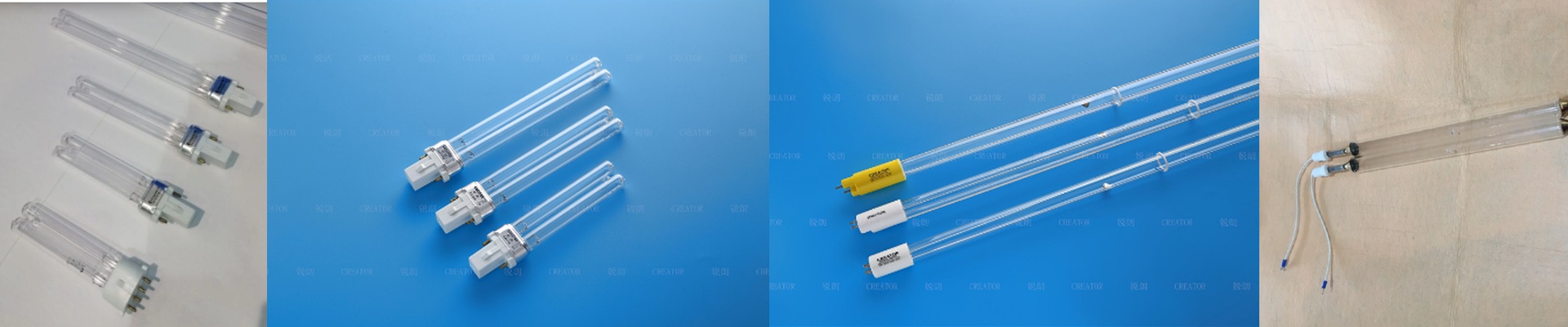
Dimmable Mercury UV Lamp System: The Printing Plant Workhorse
Let’s cut through the noise. If you run a printing plant, you know the truth—uptime is everything. And that’s exactly what this dimmable mercury UV lamp system is built for. It’s not about flashy claims. It’s about giving you real control over intensity and making lamp management predictable, so you can stop worrying about surprise shutdowns and start tracking your usage like a pro.
Power, Voltage, and Size—Kept Real
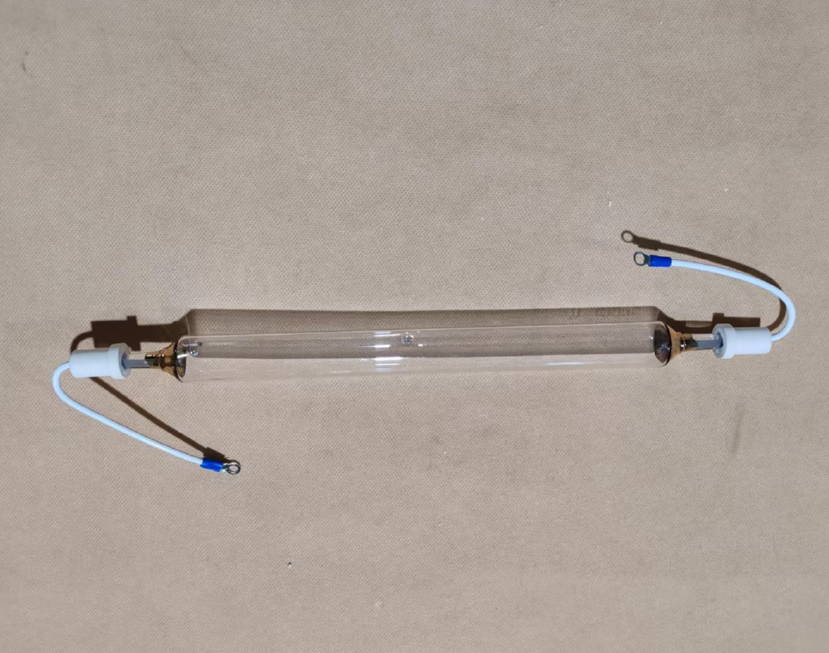
We built this system to run on a standard 400V input, hitting 2500W of power. That gives you serious radiant output without taking up a ton of space. The 300mm tube keeps the heat zone tight, so it fits right into your existing curing lane without forcing you to rework the whole machine bay. And here’s the part you’ll actually appreciate: the dimmable ballasts. You can dial the intensity down when you’re working with heat-sensitive materials, or crank it up for thicker ink layers. No more swapping lamps. No more running full power just to get the job done. But here’s the thing—more power packed into a smaller space means more heat. So you’ve got to make sure your cooling airflow and reflector alignment are on point. If the area around the lamp gets too hot, the output starts to drift and the lamp life shrinks. And that’s the exact opposite of what you need when you’re trying to build a reliable usage record.
Materials That Actually Hold Up
The tube is made from quartz, and for good reason. It handles high UV transmission and stands up to sudden temperature swings—something you see every day when you’re cycling the lamp on and off. The internal mercury fill gives you consistent spectral output, shift after shift, so your cure profiles don’t drift. And the R7s bi-pin connector? We chose it because it’s simple to mount, makes solid contact, and keeps field wiring to a minimum. Fewer hot spots. Faster lamp swaps. Less downtime.
Curing That Stays Predictable—And Maintenance That Does Too
In a printing plant, the lamp isn’t just another consumable you guess at. It’s a core part of your process. With dimmable control, you get stable cure quality, no matter how fast the line is running or what ink you’re using. That means fewer scrapped jobs and fewer reruns. And when you keep your power settings consistent, you can start tracking real data—run hours, dimming levels, how output fades in each lamp position. That data is gold. It lets you swap lamps based on trends, not panic. Fewer sudden burn-outs. Fewer line stoppages. And you can plan your spare parts with confidence. This system drops right into your existing UV fixtures, but it does ask for one thing in return—disciplined cooling and accurate logging. Give it that, and it’ll give you the uptime you need, day after day.