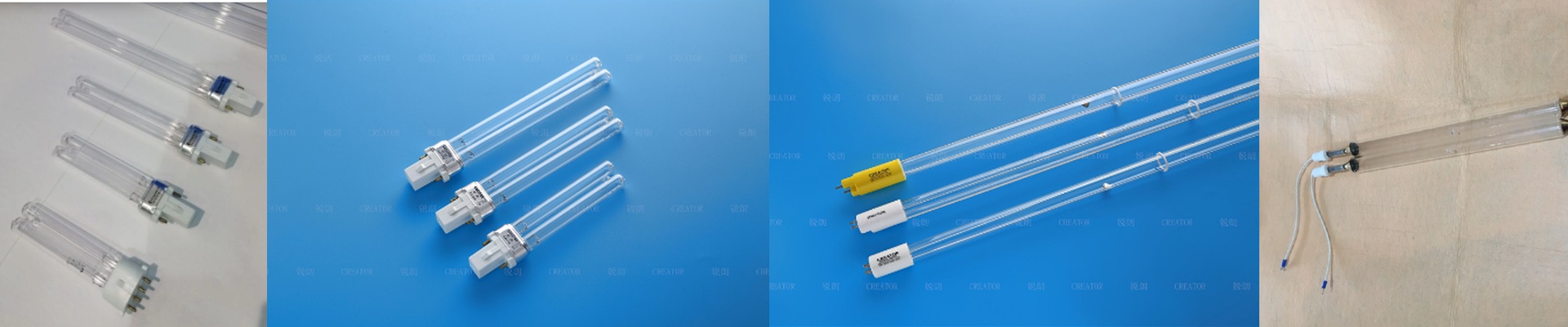
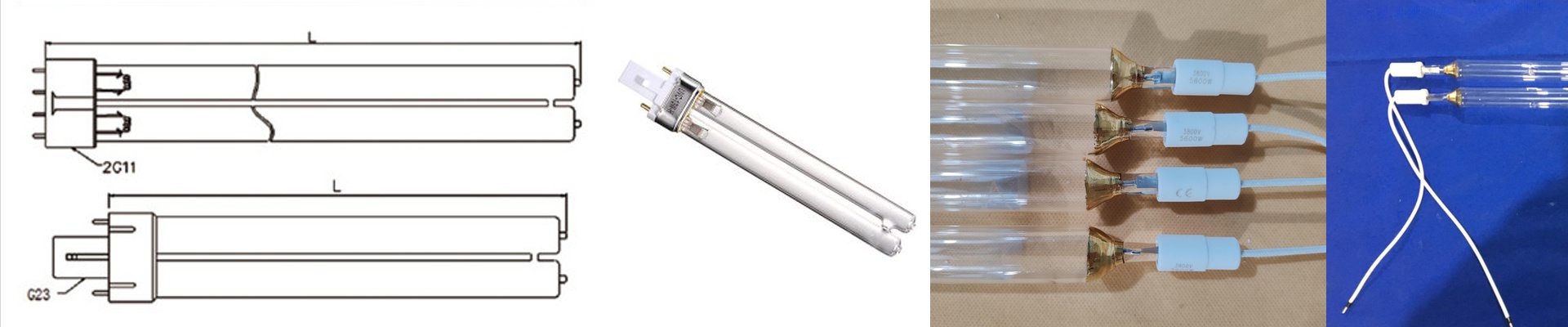
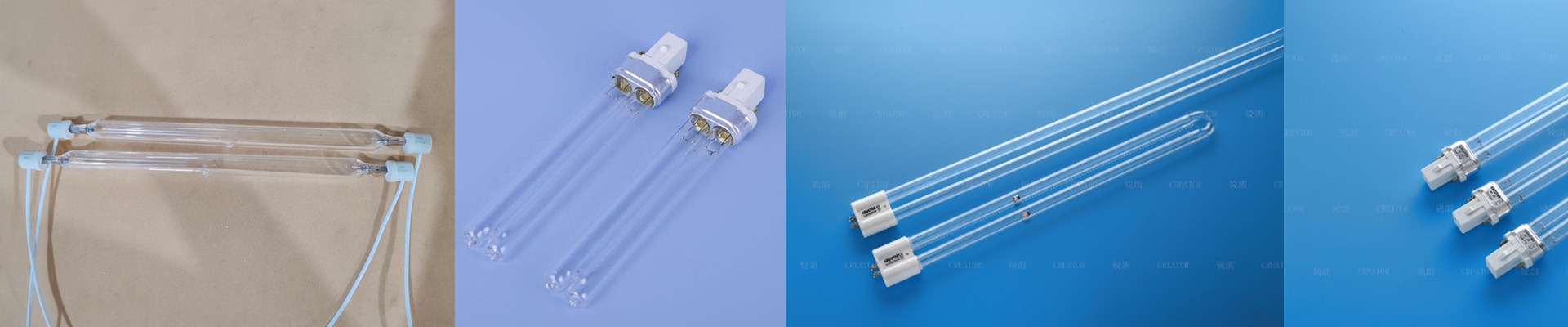
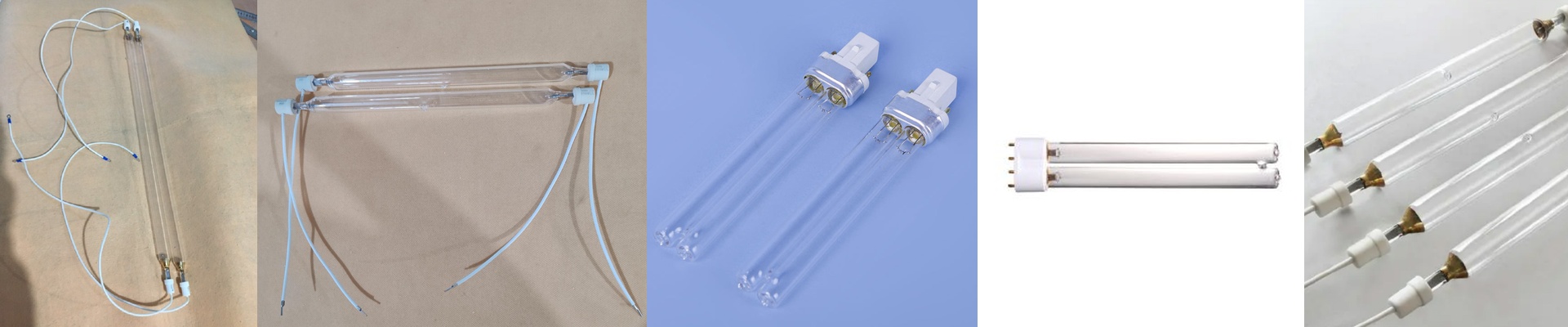
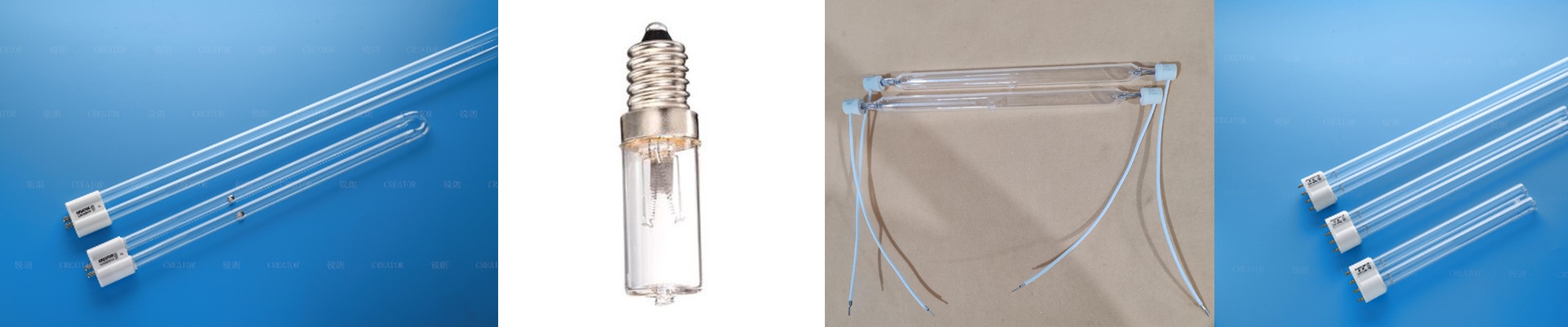
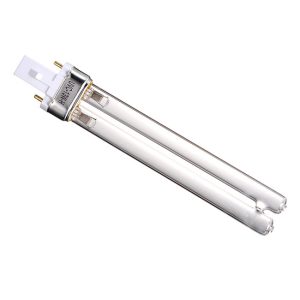
On the press floor, a fingerprint on the quartz envelope isn’t just sloppy—it becomes a hotspot. Under thermal stress, that spot cracks, and output starts to fall off fast. We’ve watched lamps lose 20–30% irradiance in just a few hundred hours when oils and residues bake onto the surface. The photoinitiator simply doesn’t get the dose it was designed for. What actually matters under the hood Our high-pressure mercury arc UV lamps put out a stable, high-intensity spectrum with strong output around 365 nm, plus the broadband tail that drives cross-linking deeper into the layer. Peak irradiance is engineered to exceed 1,200 mW/cm² at the arc, so you can cure heavy ink laydowns and thick coatings without slowing the line. The quartz envelope is chosen for high UV transmission and resistance to thermal shock. A dichroic-coated reflector shapes the beam and bounces energy back onto the substrate, raising effective dose without pushing the lamp current higher. Why this setup fits UV offset, flexo, and screen In these processes, you need instant fixation to keep the web moving and prevent set-off. The lamp’s output profile gives you deep penetration, even in pigmented systems, so you cure through the bulk of the ink film—not just the skin. The payoff is fewer rejects, higher line speeds, and adhesion that stays consistent on coated and uncoated substrates. The things you don’t get a second chance on Never touch the quartz with bare fingers. Skin oils and dust create absorption sites that run hotter than the rest of the envelope. That shortens lamp life and throws off the spectral curve. Always use clean, lint-free gloves and wipe the lamp with isopropyl alcohol before you install it. Check reflector alignment, and keep cooling airflow unrestricted. When the lamp overheats, mercury pressure drifts outside the design window—and output drops.