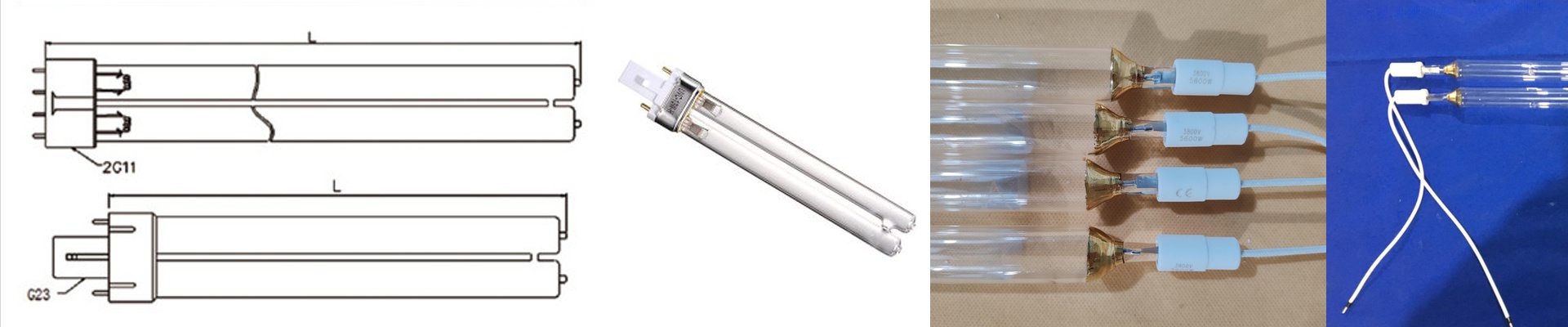
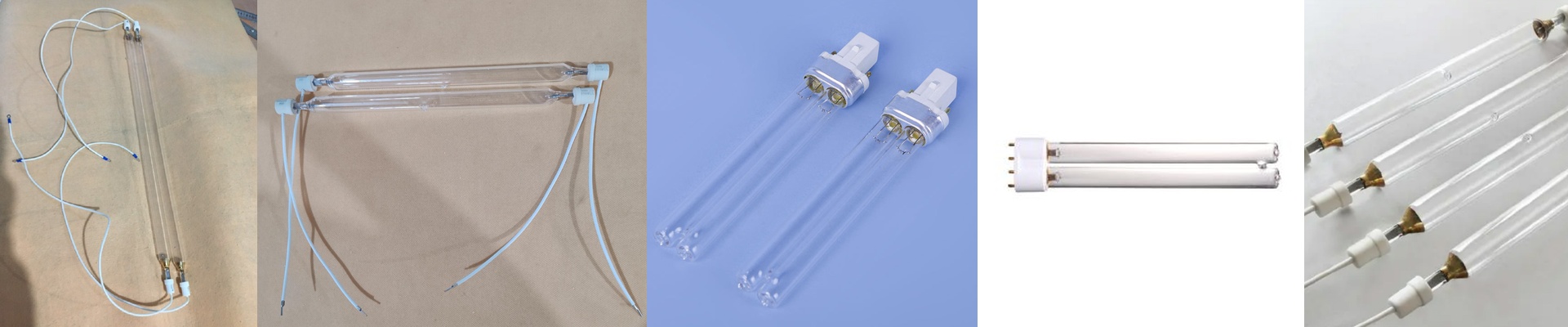
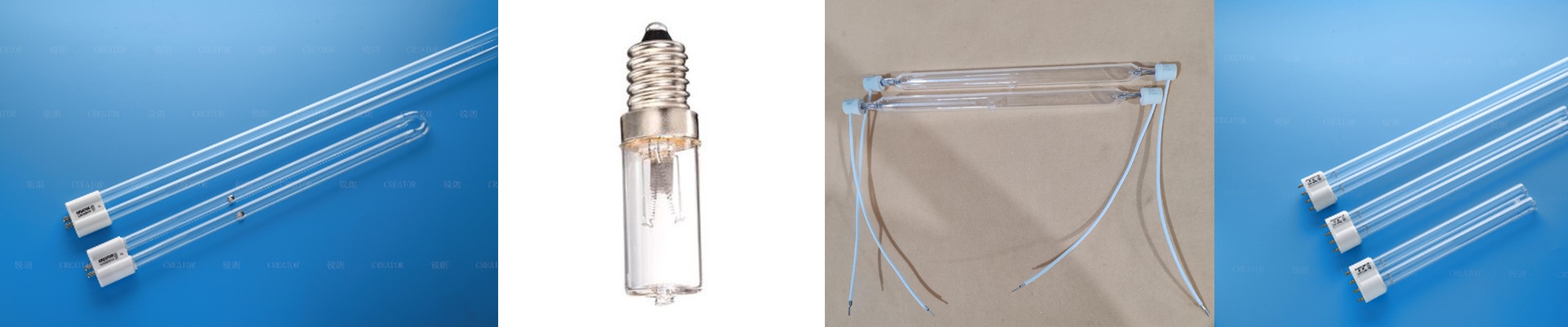
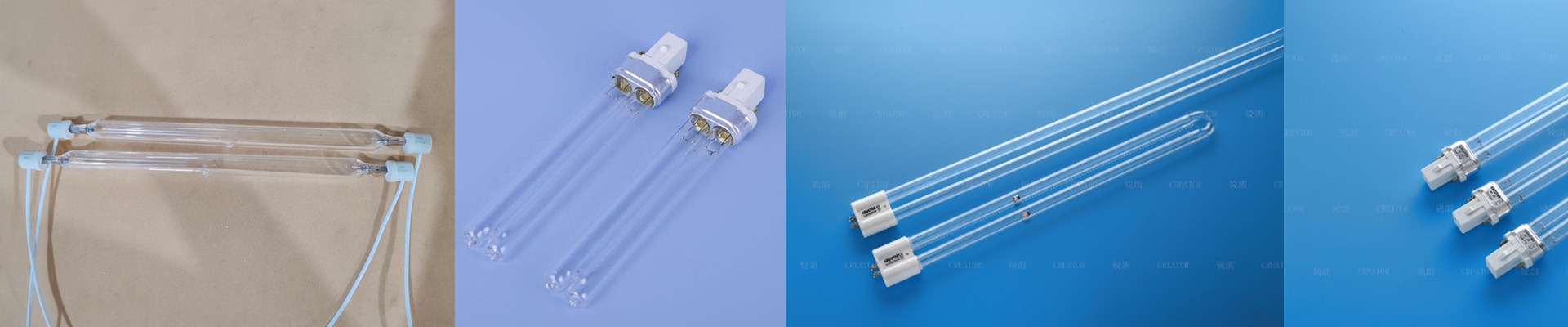
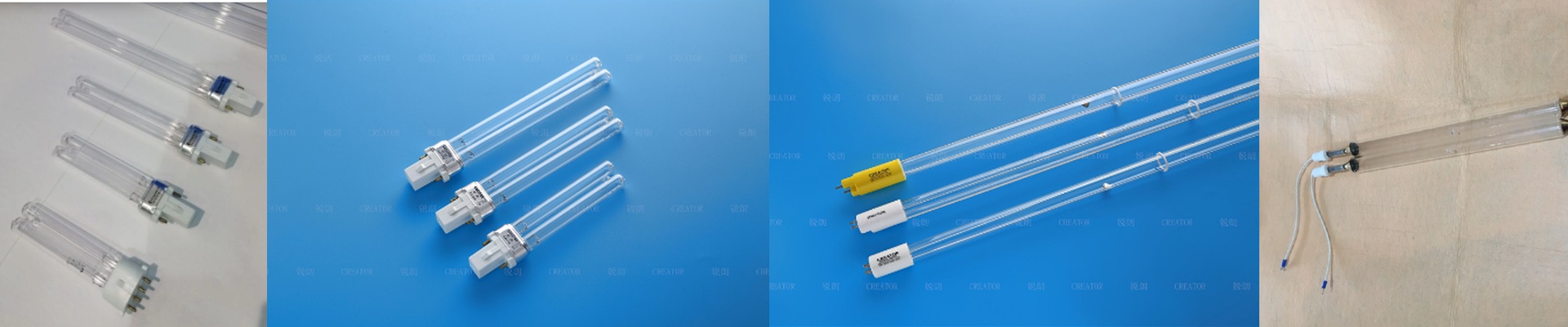
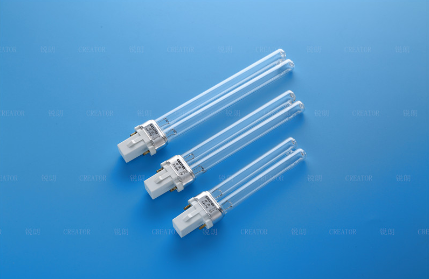
On the floor, printing metal and glass isn’t a “nice to have”—it’s where the process gets honest. Standard UV lamps can fall short, and you know it the hard way: ink that chips, hairline cracks, and cross-linking that never really locks in. That turns into scrap, rework, and the line stopping while everyone waits for a cure that never comes. Capillary UV lamps cut through that by putting the intensity where it matters—enough to fully polymerize inks on low-energy surfaces. Here’s what we focus on when we spec a capillary UV lamp: spectral control and stable irradiance. The quartz arc tube is tuned to deliver output around 365 nm, which lines up with the photoinitiators in cationic and free-radical formulations used on metal and glass. Peak irradiance hits the level needed to push past surface oxides and contaminants, so you cure all the way through instead of just skinning over. The reflector uses a dichroic coating to shape the spectrum and keep energy focused on the substrate, not wasted as heat. In our run tests, these lamps hold strong output for thousands of hours, with drift kept inside tight tolerance. Metal and glass don’t care about surface gloss—they need adhesion that survives real life. Capillary UV gives you the energy density to drive deep curing, which translates into stronger bond strength and better resistance to solvents and mechanical stress. That means fewer rejects, more consistent throughput, and print quality that doesn’t drift between shifts. Energy stays in check because the system turns electrical input into targeted UV output, not broad-spectrum heat. And because lamp life is long and spectral output stays stable, you spend less time on spares and recalibration—total cost of ownership drops. Capillary UV lamps are compact and intense, so thermal management isn’t optional. Match the lamp to your printer’s airflow and cooling design, and confirm the physical fit and electrical interface. Output is sensitive to reflector alignment and lamp positioning, so set it once—and make sure it’s repeatable. Ozone-free operation only happens when the quartz and venting are right, so verify the lamp version and your exhaust setup before you commit to long runs.