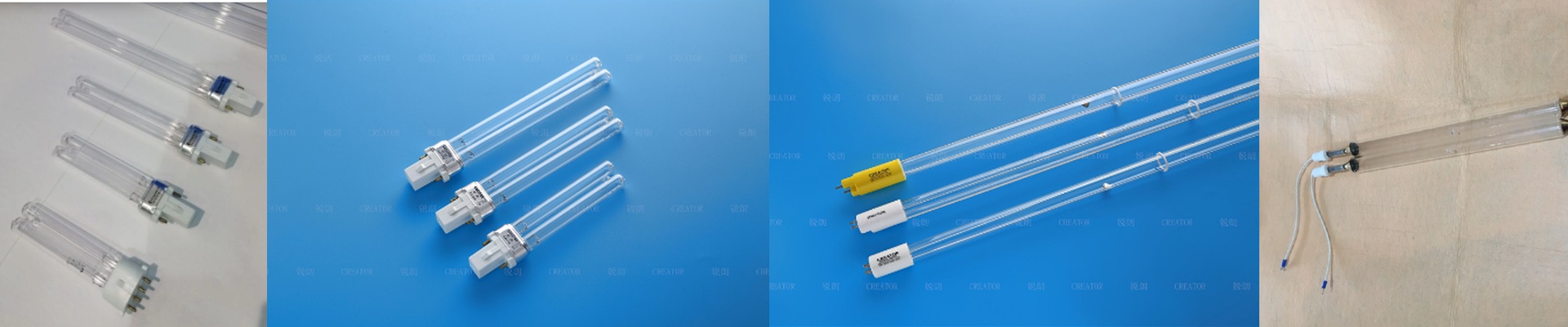
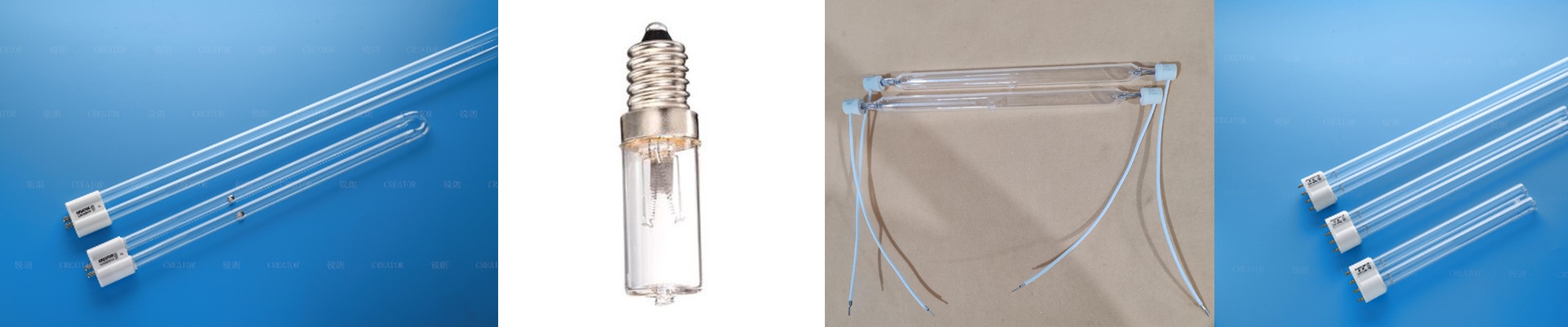
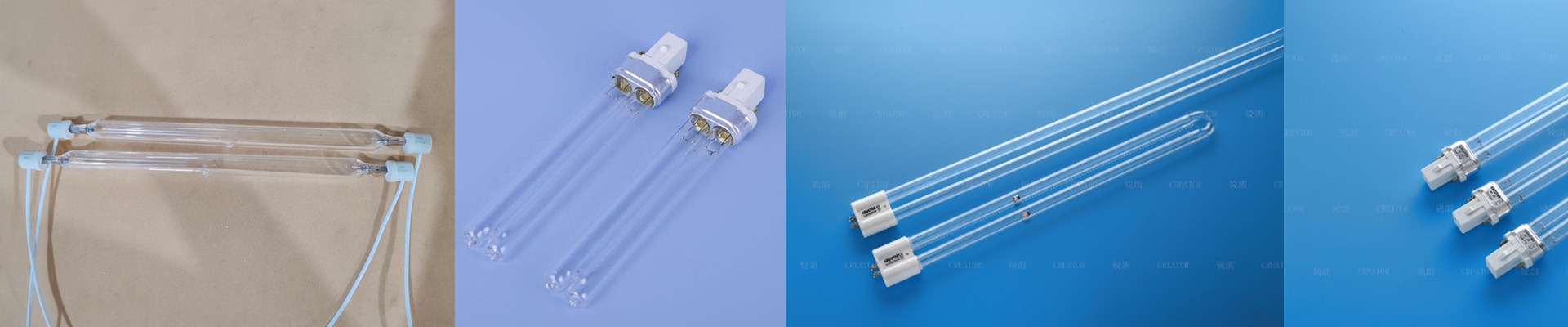
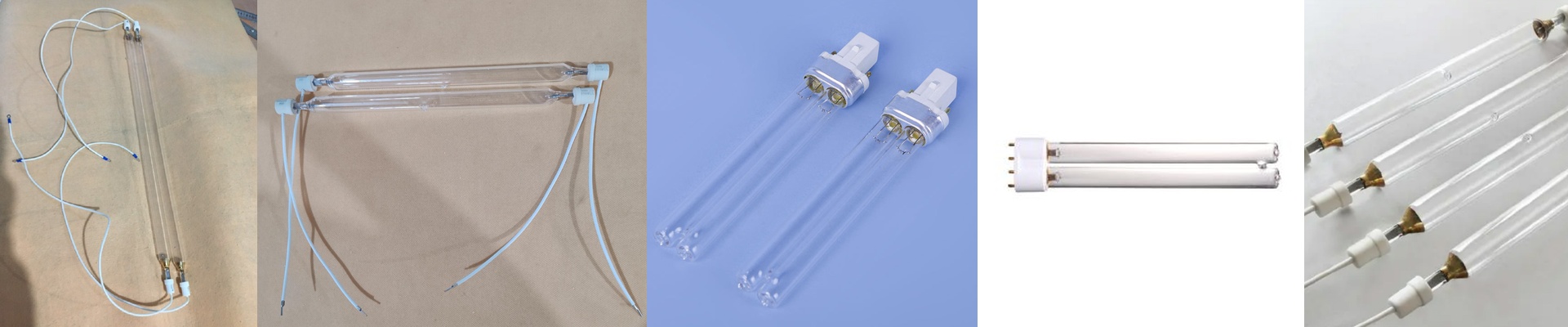
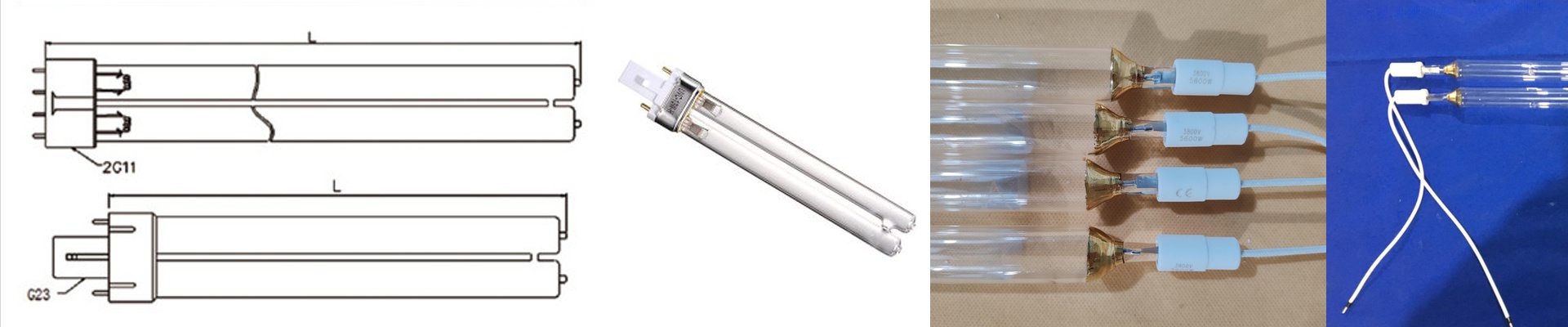
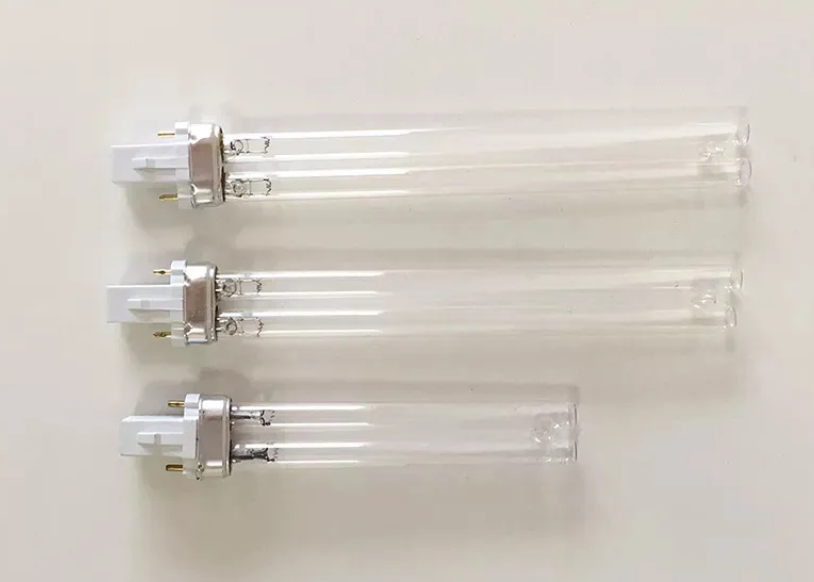
On the plant floor, uptime and spectral output aren’t optional. We built the lamp around one simple reality: you need stable, repeatable 254nm output, and you need to verify it from the control room, not just at the fixture. What matters technically This is a low-pressure mercury vapor lamp, engineered for aquarium algae control. It gives a primary 254nm line with tight spectral tolerance, and it runs through an ozone-free quartz sleeve. Peak irradiance is calibrated to hold the germicidal dose needed for biofouling suppression. The integrated energy monitor tracks lamp power, arc temperature, and end-of-life luminance decay. The system logs energy density (mJ/cm²) and run hours, then reports via Modbus/RS-485 so you can tie UV dose to water clarity and microbial counts. Output stays stable over 9,000 hours, with a controlled degradation curve. Reflector geometry is chosen to keep shadowing off the flow path. Why it works in practice Remote energy monitoring cuts the guesswork. You can watch real-time power draw, confirm lamp warm-up behavior, and schedule maintenance by what the data says—not by the calendar. That means fewer unplanned shutdowns, fewer biofilm headaches on pumps and membranes, and consistent dosing even when organic load swings with the seasons. The footprint fits standard channel mounts, and the driver handles 100–240V with power factor correction. The result is lower energy cost per unit of UV dose delivered. The details that bite you Installation is straightforward, but water chemistry is not optional. High turbidity and dissolved organics eat into 254nm transmission, so size the UV dose for worst-case water quality, not the nominal spec. Pre-filtration matters. Also, check electrical compatibility with your panel, and orient the fixture so the quartz stays clean. If the sleeve fouls, measured power and delivered dose decouple fast.