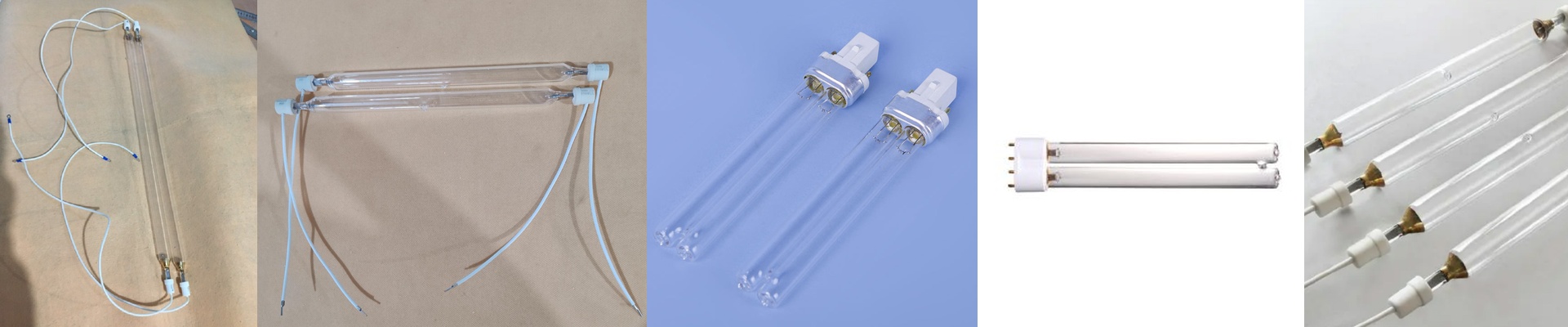
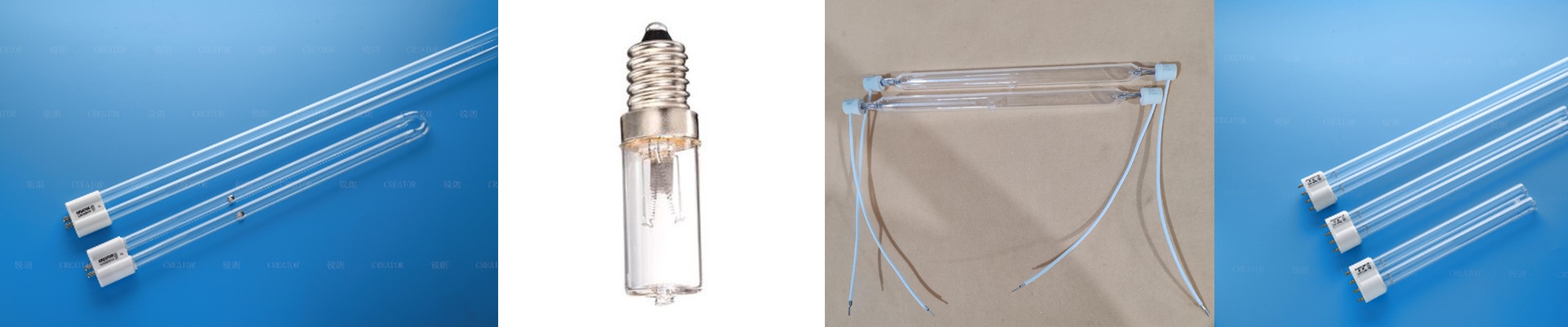
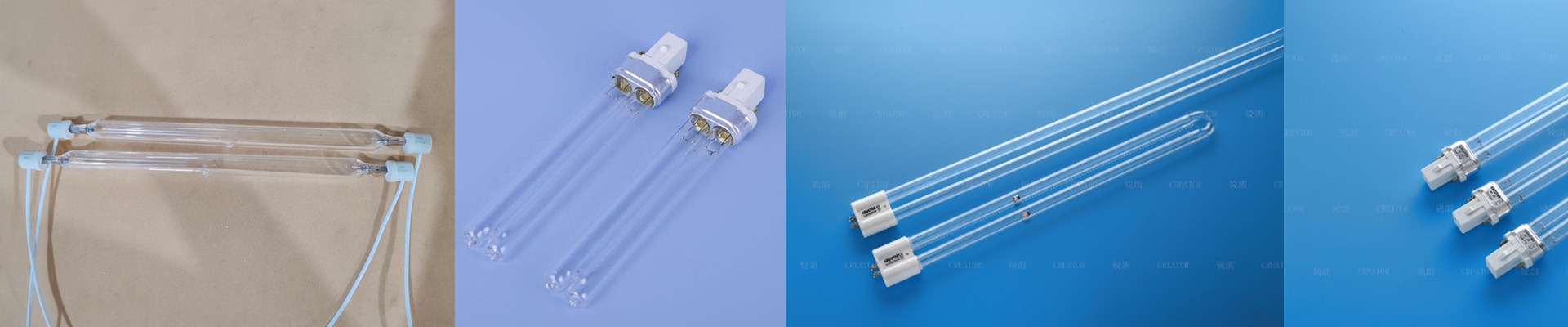
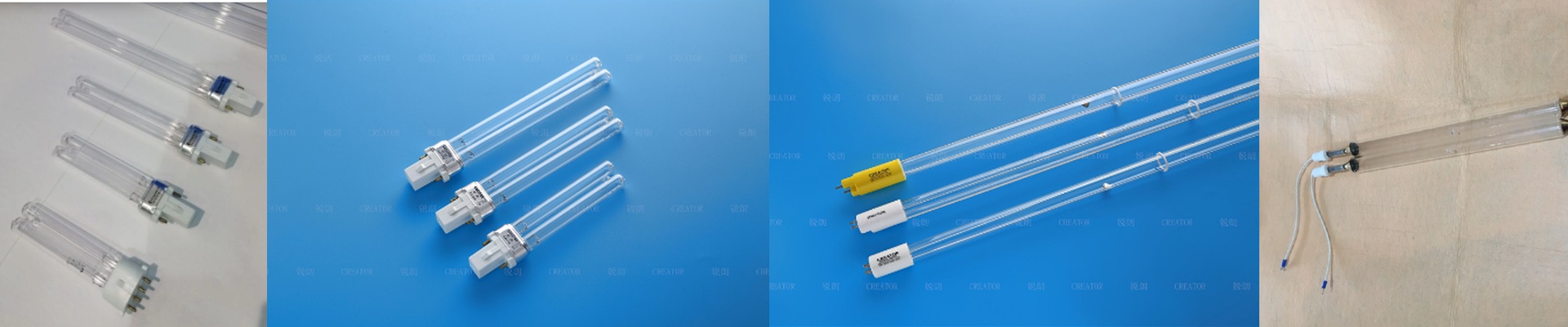
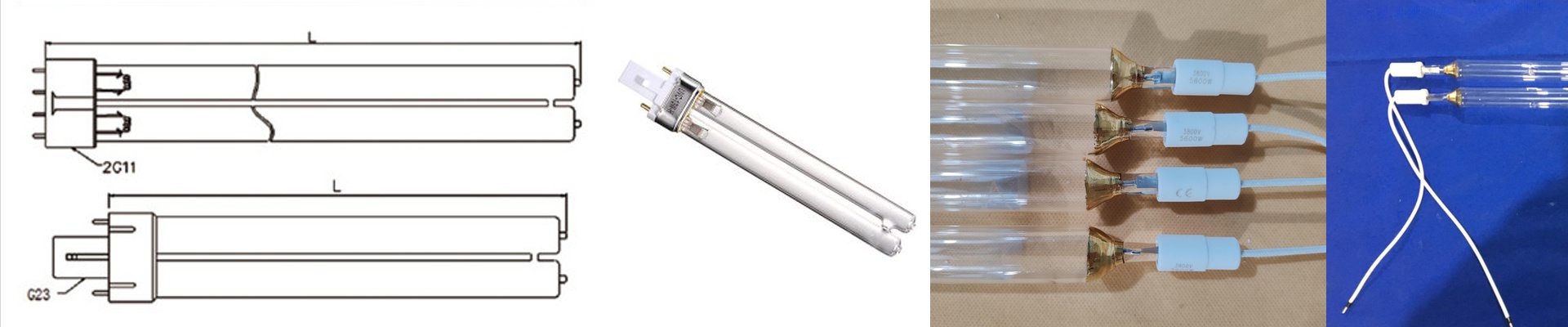
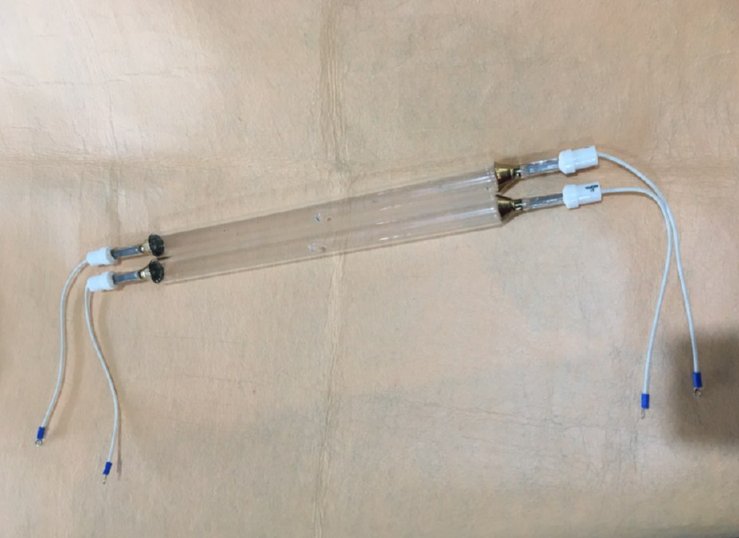
On the press, downtime isn’t just minutes on a clock—it’s substrate down the drain and throughput you’ll never make up. A lamp that’s even slightly off starts a chain reaction: ink stays tacky, adhesion falls apart, and the stack starts piling up with rejects. We built this high-speed UV curing lamp to stop that drift before it begins—by making energy output visible, controllable, and repeatable. What matters under the hood This is a stabilized high-pressure mercury vapor discharge lamp, tuned for a predictable spectral output centered on the core photoinitiator wavelengths—365 nm and 385 nm, with usable 405 nm content for fine-tuning surface cure. Peak irradiance exceeds 12 W/cm² at the arc, and we specify delivered energy density in mJ/cm² so you can match cure to ink formulation instead of flying by feel. The quartz envelope and dichroic-coated reflector are set up for high UV reflectance and steady thermal management, keeping substrate temperature rise in check over long runs. Remote monitoring gives you live lamp power, arc temperature trending, and accumulated energy runtime—data you can pull straight into your PLC for closed-loop control. Why it holds up in production In real life, the payoff is uptime and consistency. You can hold the same cure from one shift to the next, even when line speed changes. Tighter spectral control cuts down on overexposure and substrate stress, and the monitoring data lets you schedule maintenance by condition, not by calendar guesswork. Fewer lamp-related stops. More stable color. Less scrap—especially on heat-sensitive films and laminates where your thermal budget is thin. Here are the practical details Remote monitoring needs a compatible interface and clean power. EMI from big drives can bleed into sensor lines if grounding and shielding aren’t handled up front. To keep spectral output stable, run the lamp within its specified arc current window. Underdriving stretches life but shifts output; overdriving shortens life and cranks up the heat. Plan the integration around reflector geometry and shutter clearances, and match connectors and coolant spec to your press platform so you don’t end up improvising in the field.