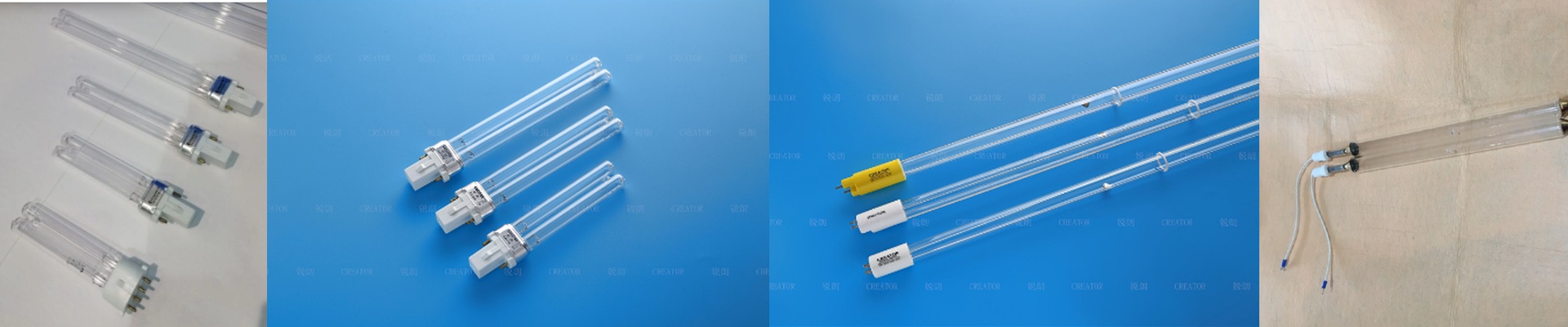
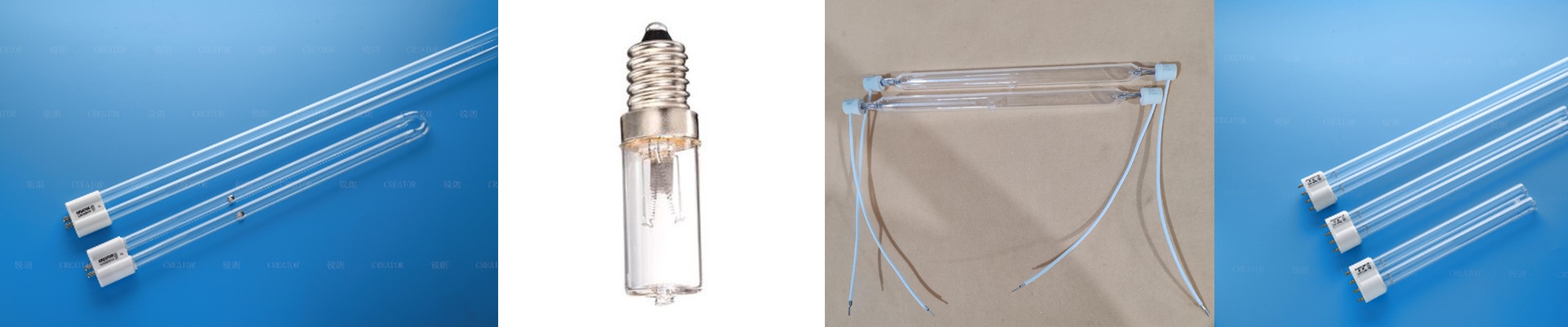
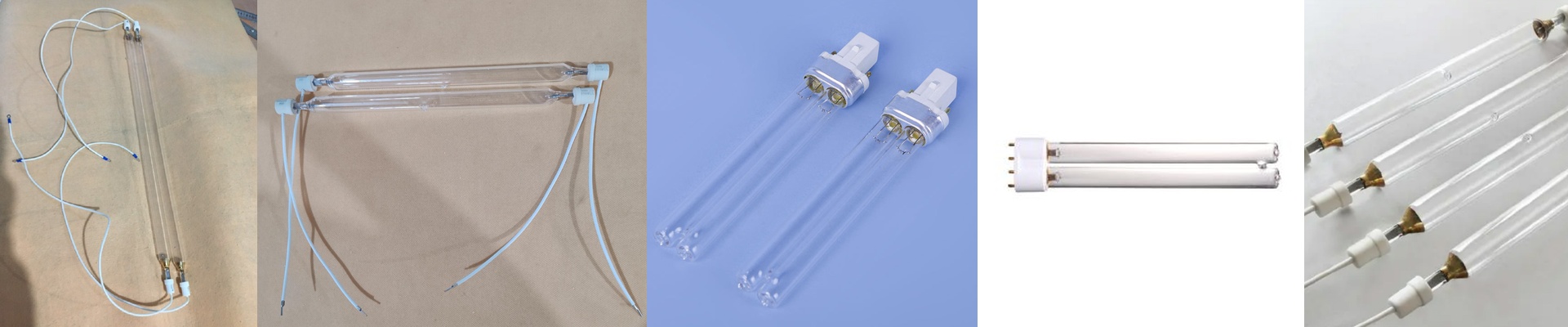
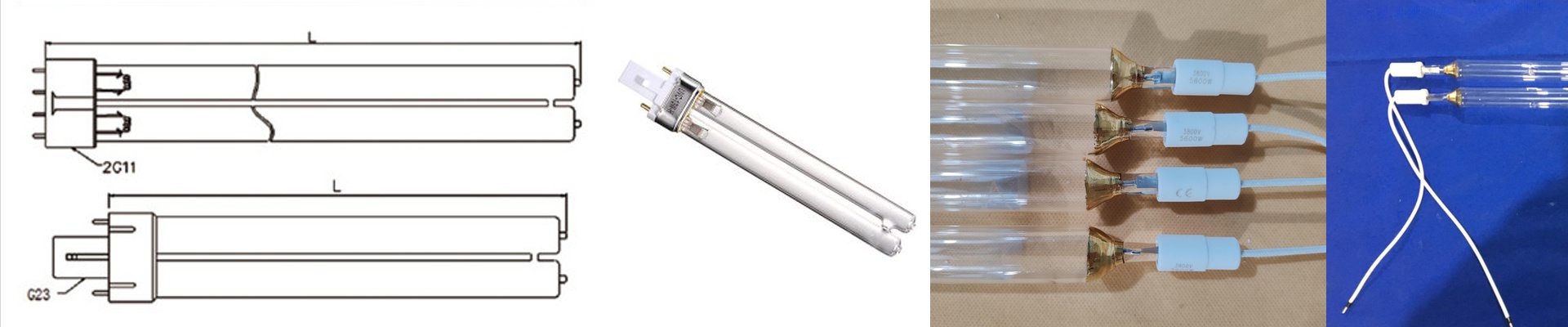
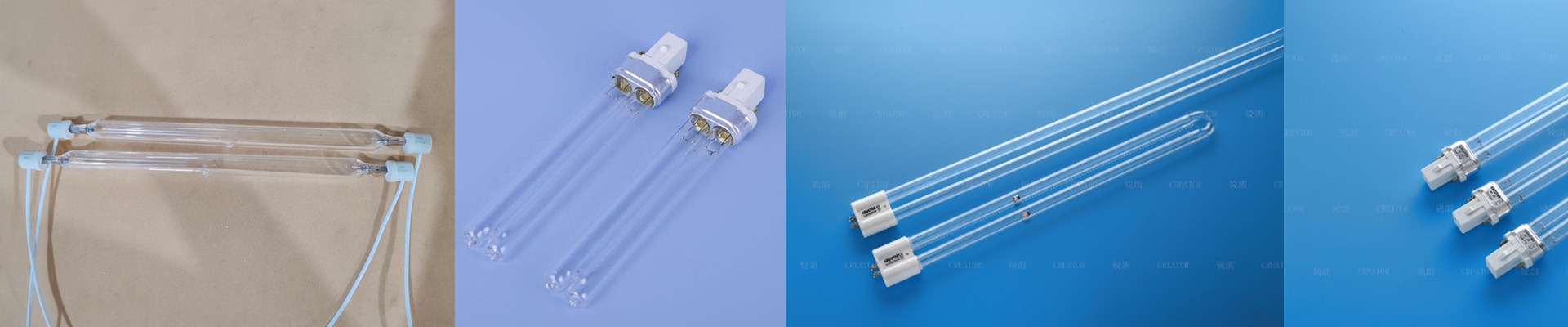
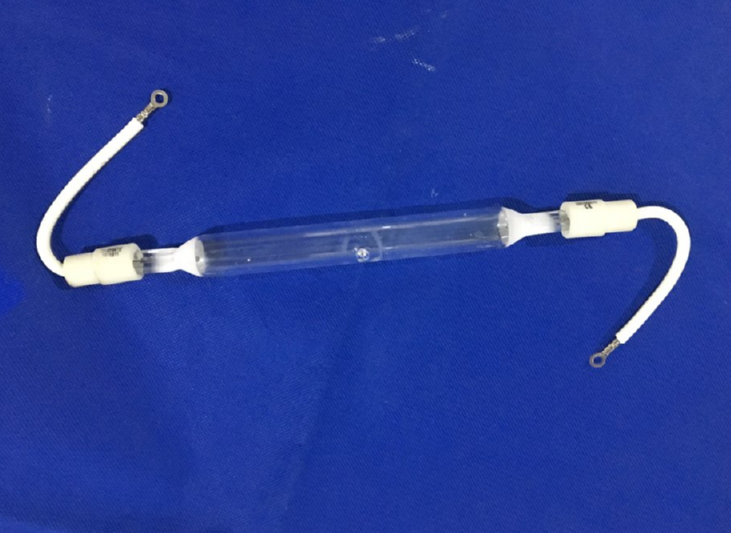
On the floor, UV curing is all about the numbers. Line up the spectral output with what the photoinitiator actually absorbs, or the press stops cold. If the lamp is underperforming, peak irradiance drops. The ink stays tacky, and the job gets scrapped. Overheating eats reliability, and downtime wipes out whatever you thought you saved on the purchase. What actually matters under the hood We spec the high-temperature wire for UV lamps around the thermal behavior of high-pressure mercury vapor lamps and doped UV sources. It holds steady at conductor temperatures above 800°C, keeping resistance and insulation intact, so the lamp hits design power without voltage drop or hot spots. That keeps the arc stable, and the spectral output stays where it’s supposed to be — 365 nm, 385 nm, or 405 nm. Stable arc means consistent peak irradiance, which is what gives you repeatable energy density (mJ/cm²) at the substrate. With that repeatability, you can lock in cure windows for offset, flexo, and screen inks instead of chasing lamp drift every run. Why it holds up in real production Pricing matters, but quality has to come with it. This wire supports the full lamp assembly, from the quartz body to the terminals, so the lamp fires at rated power on day one and keeps output consistent through thousands of starts. Fewer lamp changes. Fewer rejects. Operating costs that stay predictable. You get curing cycles that repeat, less energy per unit, and throughput that doesn’t swing with the lamp. That’s the balance that keeps the press running and the schedule intact. What to watch before you spec it Match wire gauge and connector type to your lamp socket and ballast, and double-check airflow and clearance in the fixture. High-temperature operation needs real heat management. Undersized wiring or reflectors crammed in tight will shorten lamp life and throw off spectral output. Before you roll it out, confirm compatibility with your press model and the cure station geometry.