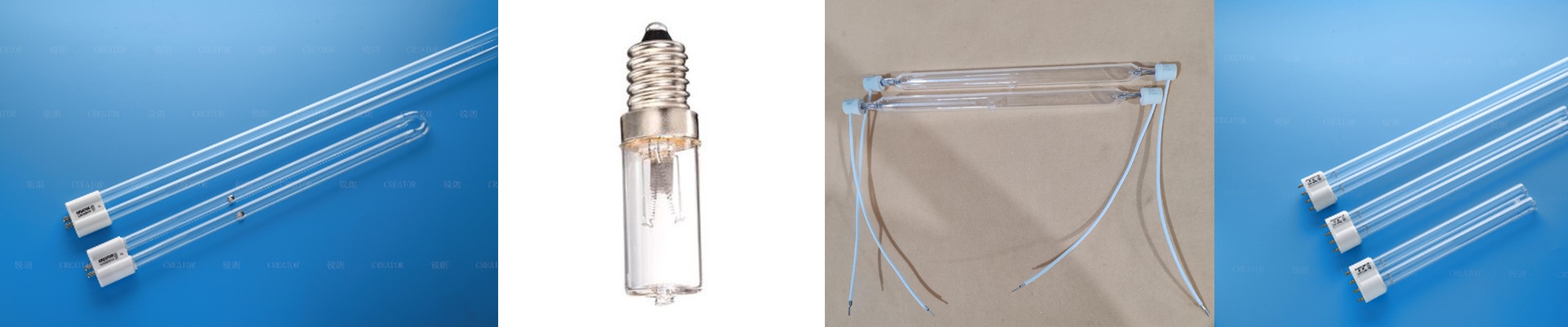
Introduction
On a real production line, UV curing isn’t optional—it’s the difference between keeping things moving and getting stuck. We make UV lamps for the factory floor, not some tidy lab bench. Our units throw down a tight, repeatable blast of light so your line keeps humming and scrap stays low.
Technical Deep-Dive
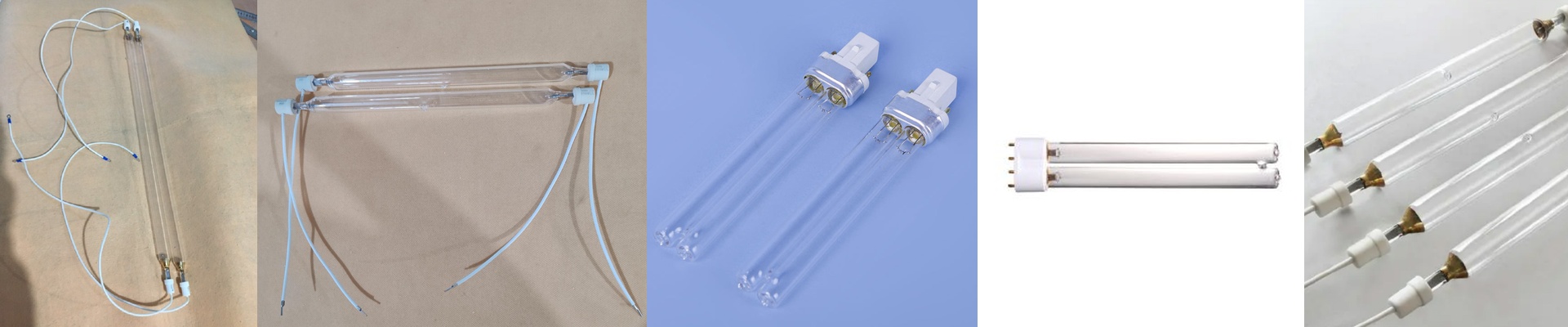
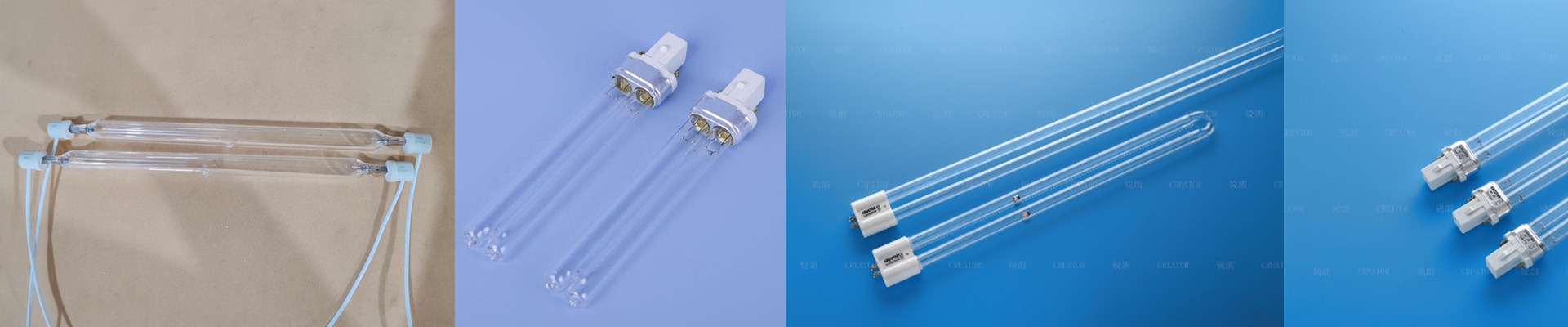
We build these lamps for one thing: running all day. They start with high-voltage power—usually around 400V—so they fire up reliably and stay steady even when the line conditions wobble. And the punch is serious: about 2500W packed into a short tube, often around 300mm. That compact size is the whole point. It means you can slip curing modules into existing conveyors and robot cells without tearing the machine apart. And speed? It’s built in. The intensity is high enough that parts need less exposure, so your cycle time drops—without cutting corners on cure depth. Less soak time also keeps heat off delicate materials, which is a quiet relief when you’re running sensitive substrates.
Material & Design
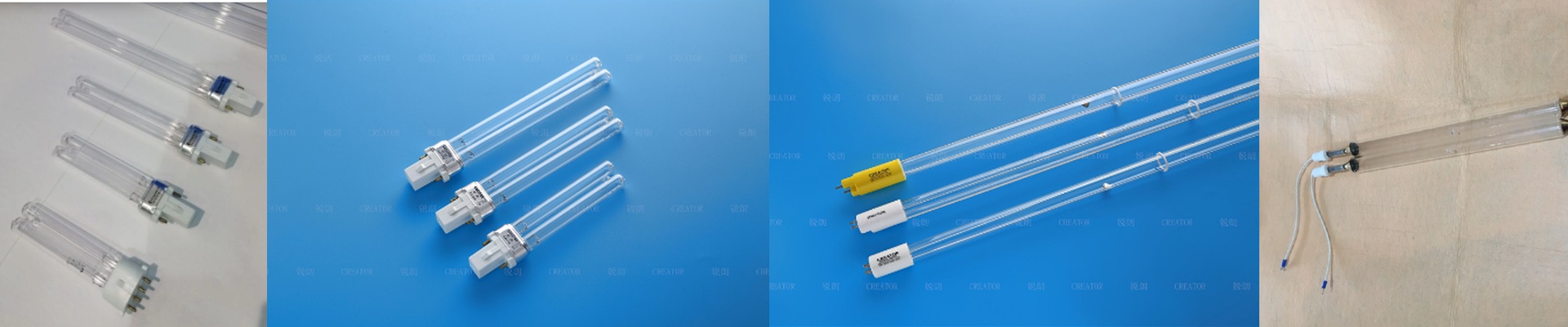
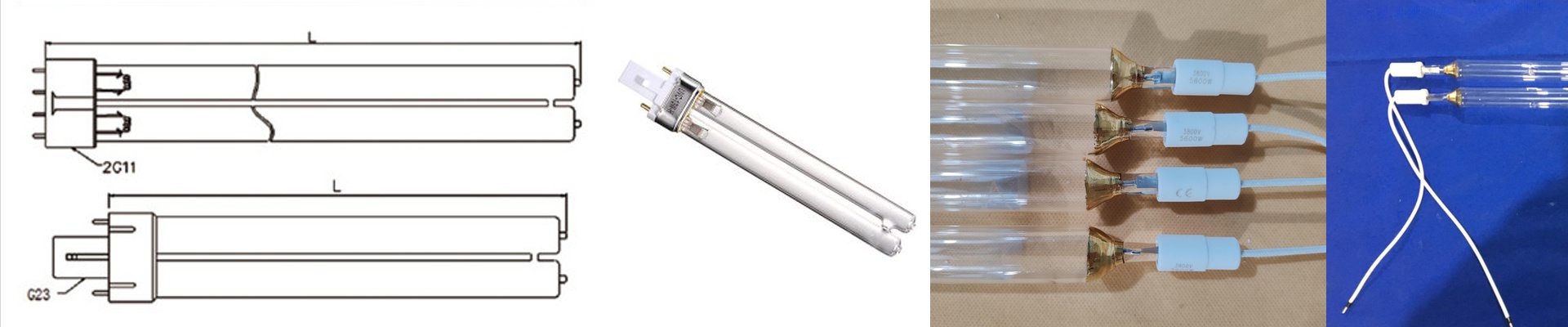
Inside, we use a halogen-based fill. It keeps the spectrum predictable and the performance stable, shift after shift. The quartz envelope takes the abuse of rapid on/off cycles and stands up to intense UV flux without falling apart. A specialized coating helps focus the energy where you need it and keeps the tube cleaner by blocking some of the grime from the shop floor. Then there’s the R7s connector—practical, tough, and fast. It snaps in, holds a solid connection, and survives vibration on moving equipment. Installation is a simple drop-in, align, and clamp. When it’s time for maintenance, you’re done in minutes instead of spending an hour taking things apart.
Application & Benefits
These lamps live where the work lives: the shop floor. On printing and finishing lines, they cure inks and coatings at line speed. In assembly cells, they set adhesives fast so fixtures can clear out quickly. High intensity, compact size, and rugged hardware mean fewer stops for lamp swaps and fewer surprises in cure quality. Here’s the trade-off, though: packing 2500W into a short tube creates heat. So your machine’s cooling and airflow have to be up to the job. Plan on solid ventilation and thermal isolation to protect nearby parts. That’s the price you pay for intensity and speed.