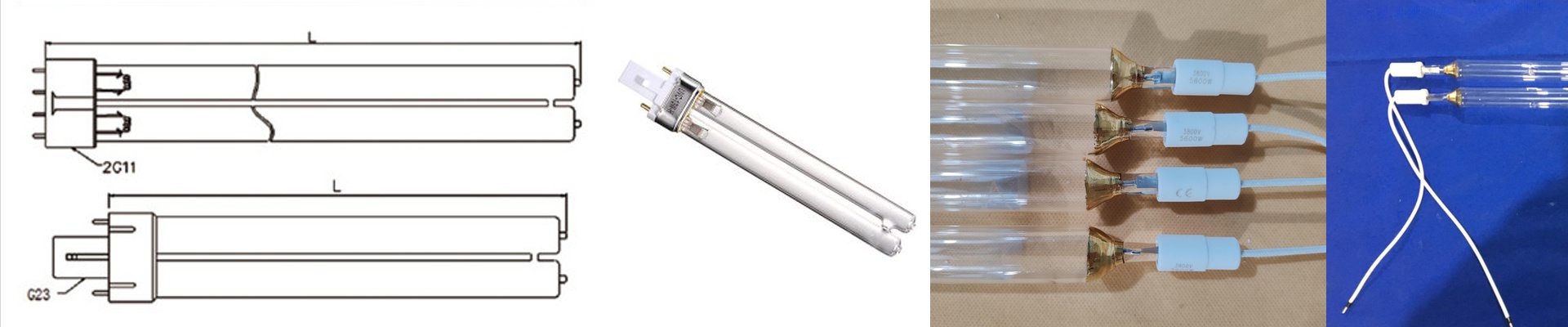
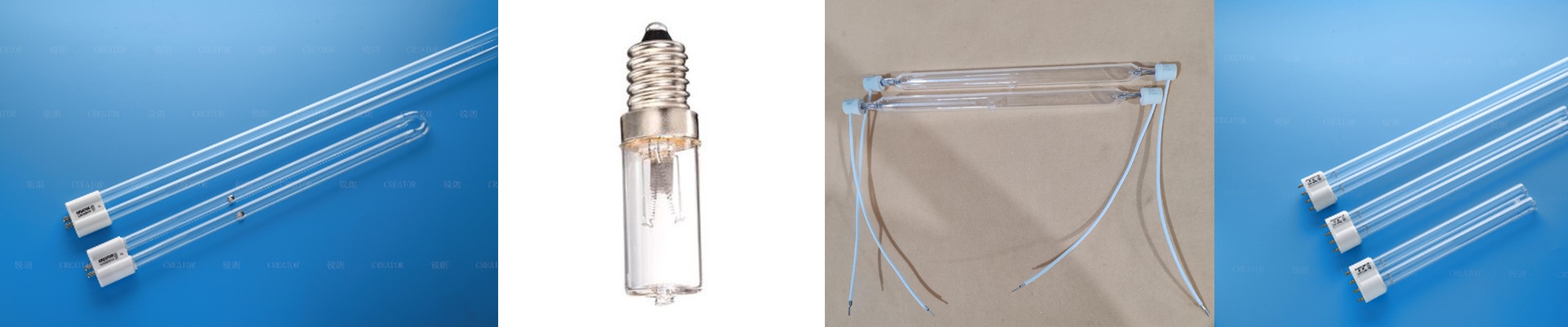
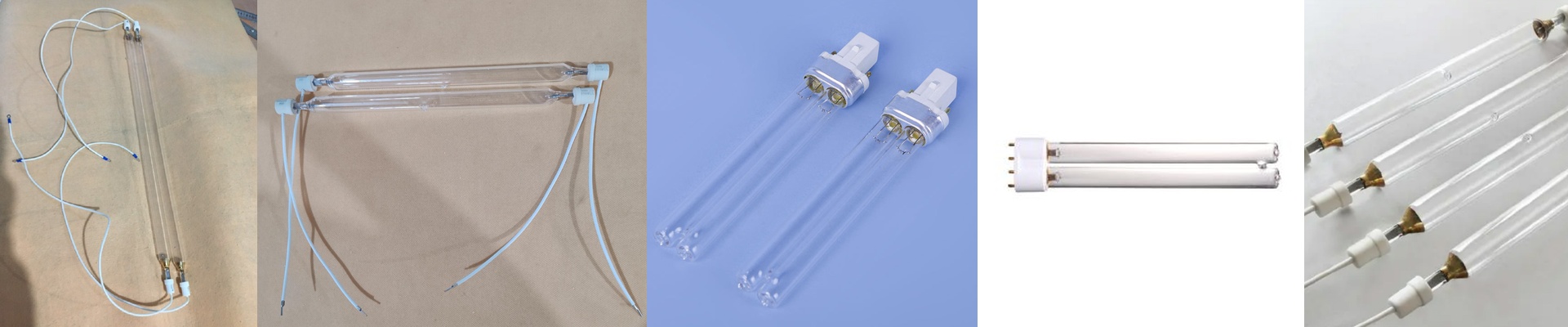
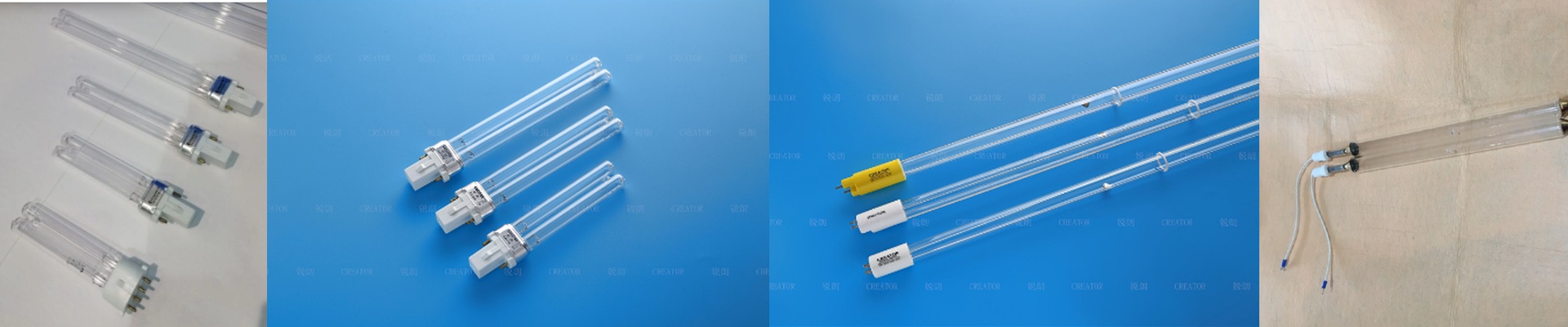
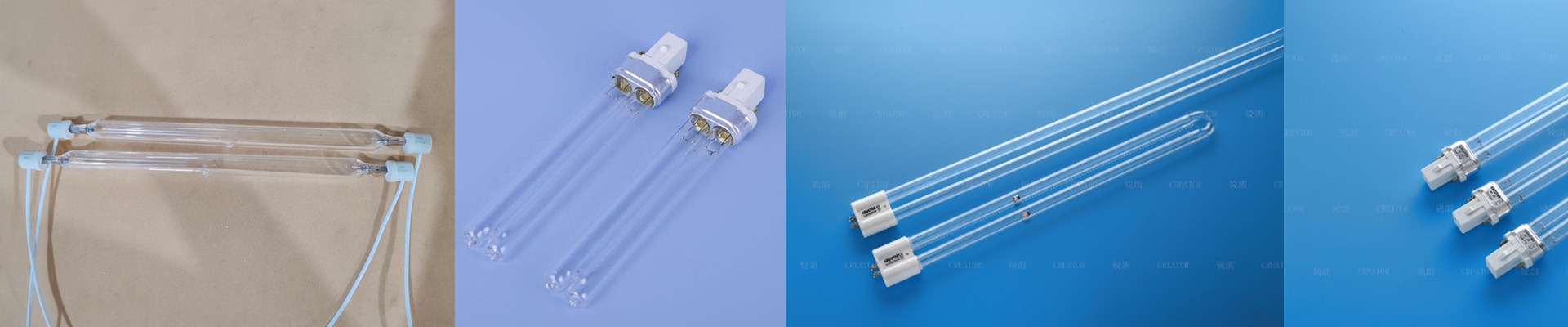
Making UV Sterilization Actually Sustainable
Let’s be honest: most industrial UV lamps are basically disposable. You plug them in, they work for a while, and then they burn out or the materials degrade, leaving you with a pile of hazardous waste and a higher power bill. We got tired of that cycle. So, we decided to rethink the whole thing from the ground up—starting with the chemistry of the glass and the stability of the electrodes.
The trick to saving power
When people talk about “energy saving” with UV-C lamps, they usually think about lowering the wattage. But that’s not how this works. If you just drop the power, you lose the sterilization punch. The real secret is theconversion rate. We switched to high-purity synthetic quartz. It lets the 253.7nm wavelength pass through without hitting a wall. We also tweaked the gas fill and the shape of the electrodes so the lamp doesn’t have to struggle to start the arc. The result? You get the same germ-killing power, but your electricity meter doesn’t spin nearly as fast.
Better materials, fewer trips to the dumpster
Most lamps are full of stuff that makes them a nightmare to throw away. We stripped all that out. We ditched the hazardous fillers in the glass and swapped in recyclable metals for the end caps. But the best part is the lifespan. These things last much longer. It’s a simple win: fewer lamp swaps mean less hazardous waste leaving your facility. It just feels better knowing you aren’t adding to the landfill every few months.
Real-world talk
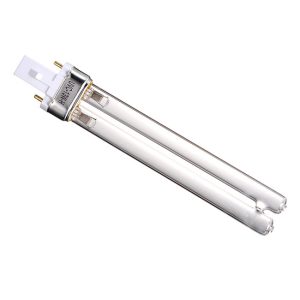
These are built to be drop-in replacements. If you’ve already got sterilization tunnels or air purification banks, these should slide right in. Unlike the cheap tubes that dim over time, these hold their strength even under continuous use. But here is a quick heads-up. A great lamp can’t fix a bad power supply. If your ballast has voltage spikes or a lot of “ripple,” it’ll eat through your electrodes no matter how well the lamp is built. Double-check that your ballast is matched to the exact current draw of these tubes. It takes a minute to verify, but it’s the only way to actually hit that zero-pollution goal without burning through your hardware.