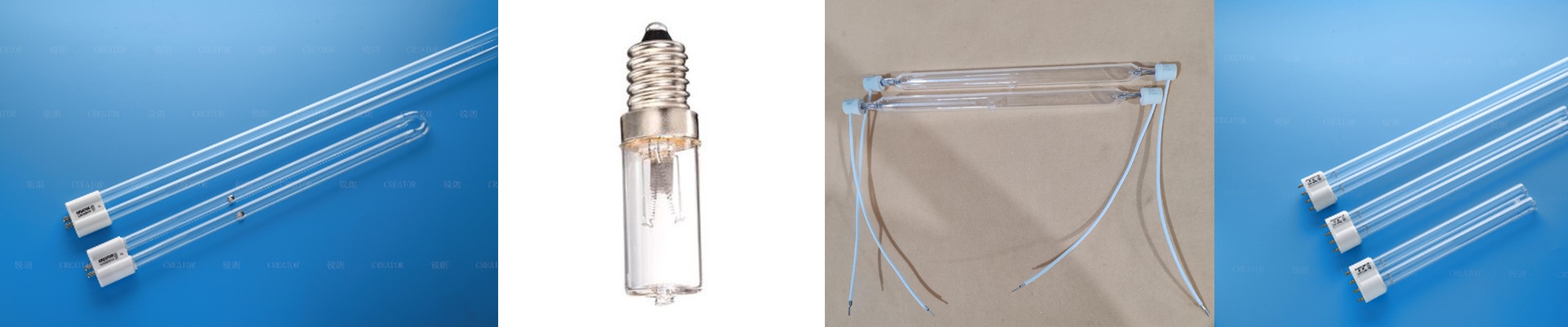
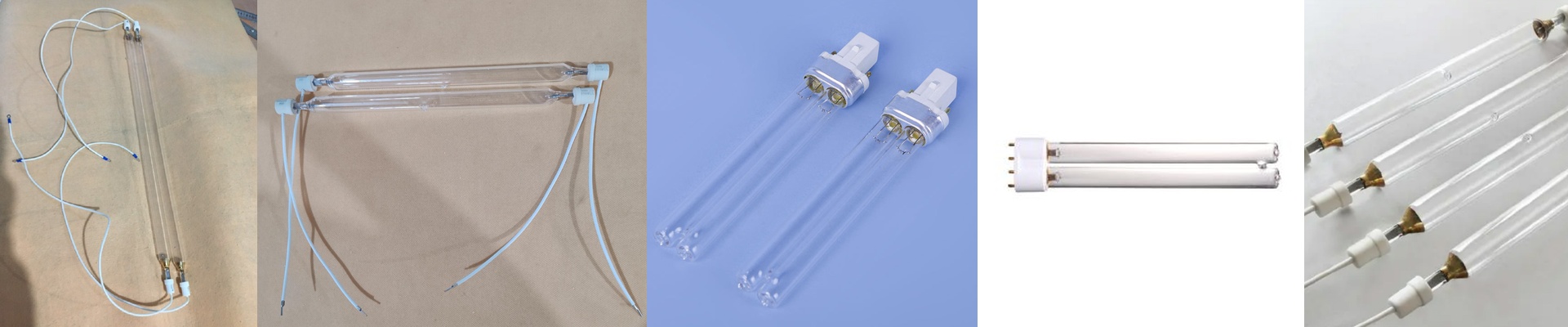
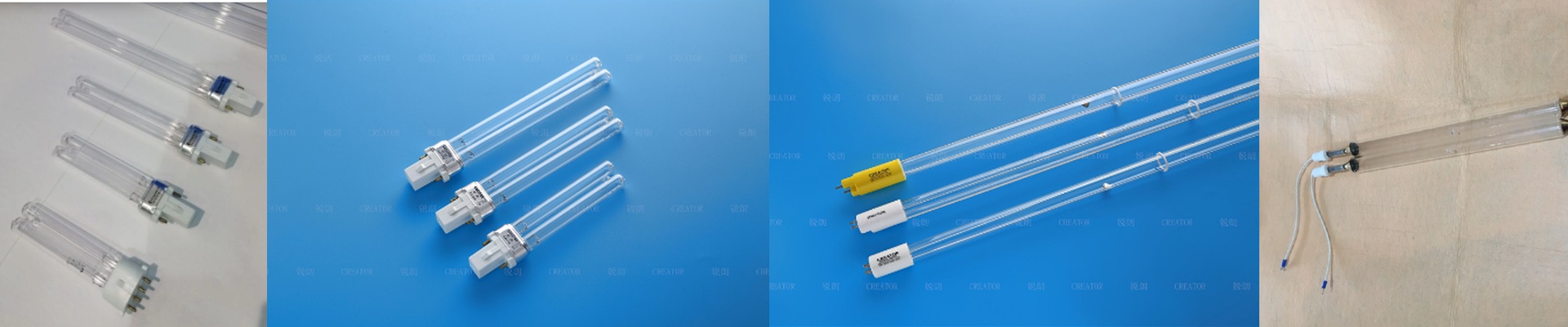
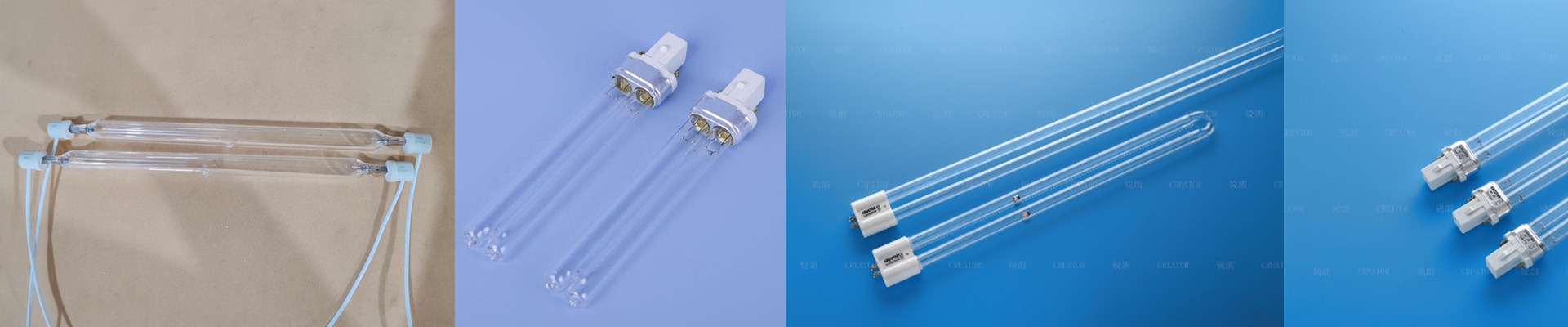
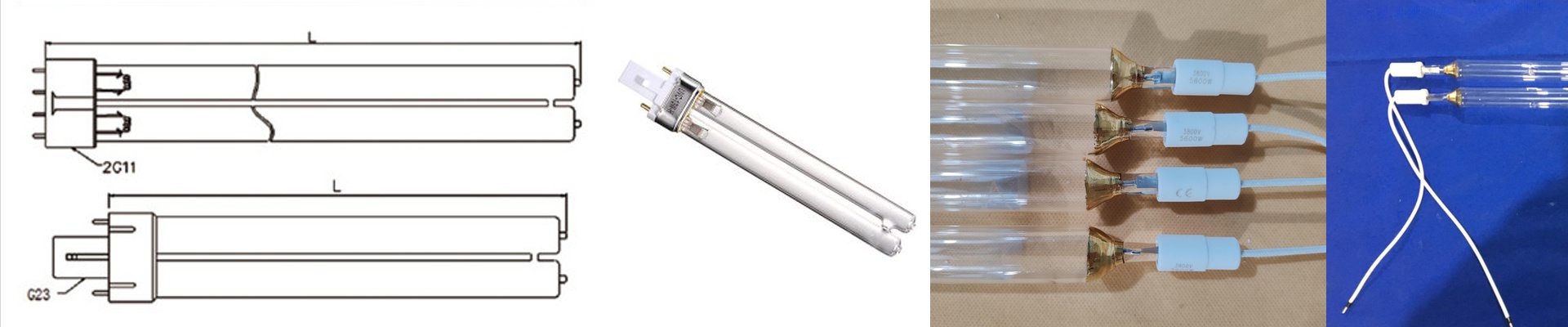
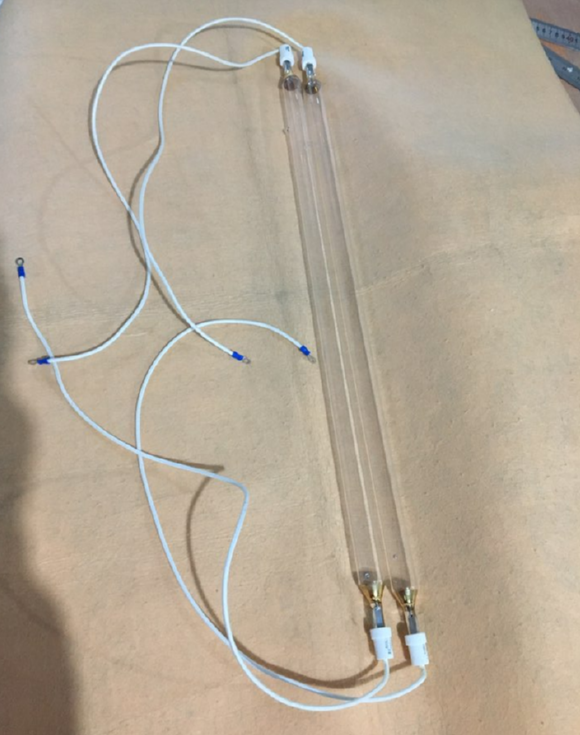
Let’s Stop Making UV Lamps That End Up in Landfills
Most UV lamps are built for the “right now.” They blast out a ton of light, but they burn out fast and leave behind a mess of hazardous waste. We’re tired of that cycle. Our approach is simpler: build things that actually last, using materials that won’t poison the planet.
Why most lamps die (and how we fix it)
Usually, a lamp quits because the electrodes wear down or the quartz glass gets “cloudy”—what the engineers call solarization. It’s frustrating. It means more downtime for you and more trash for the earth. We solved this by tweaking the gas mix and using high-purity synthetic quartz. But we didn’t stop there. If you’re running these 24/7 in a factory, heat is your biggest enemy. We stabilized how the glass and end-caps expand when they get hot. No more leaky seals. No more premature deaths.It just keeps running.
The nitty-gritty on materials
We’ve ditched mercury wherever we can. Depending on what you need, we’ve moved toward UV-LEDs or ozone-free setups. We also use lead-free solder and plastics you can actually recycle. Now, a quick heads-up on power. If you want a lamp that hits hard and lasts a long time, you need a ballast that can handle it. If you crank up the wattage but keep your old, cheap cooling fans, you’re going to overheat the circuits. That defeats the whole purpose of the upgraded tube.Keep it cool, and it’ll last.
Making it work for your gear
You shouldn’t have to redesign your entire machine just to upgrade your lamps. That’s why we make these as drop-in replacements. Tell us your footprint, the wavelength you need, and how intense the light has to be for your curing or sterilization. We’ll handle the precision winding and electrode placement. You get a lean assembly line. Your customers get a cleaner product. And the planet gets a break.