It’s Not Just a Lamp—It’s About the Chemistry
If you’re still thinking of UV lamps as just glass tubes you swap out every few months, you’re missing the bigger picture. By 2026, the job isn’t about shipping hardware. It’s about the physics of how ink actually dries. When we talk about UV for printing or textiles, we’re really talking about hitting that ink with the exact amount of light needed to trigger a chemical reaction. Get it right, and you’re golden. Get it wrong? That’s where the headaches start.
The Balancing Act: Power vs. Heat
Here’s the thing about wattage and voltage: they control your speed. High-intensity lamps let you crank up the line speed, which is great for productivity. But there’s a catch. They gethot. If you push the power too hard without speeding up your conveyor, you’ll start seeing bubbles in the ink or, worse, you’ll actually scorch the material. It’s a delicate dance between intensity and time. Plus, if your ink is heavy on pigment, you can’t just throw more power at it; you need the right wavelength to actually punch through those layers.
The Nitty-Gritty of the Hardware
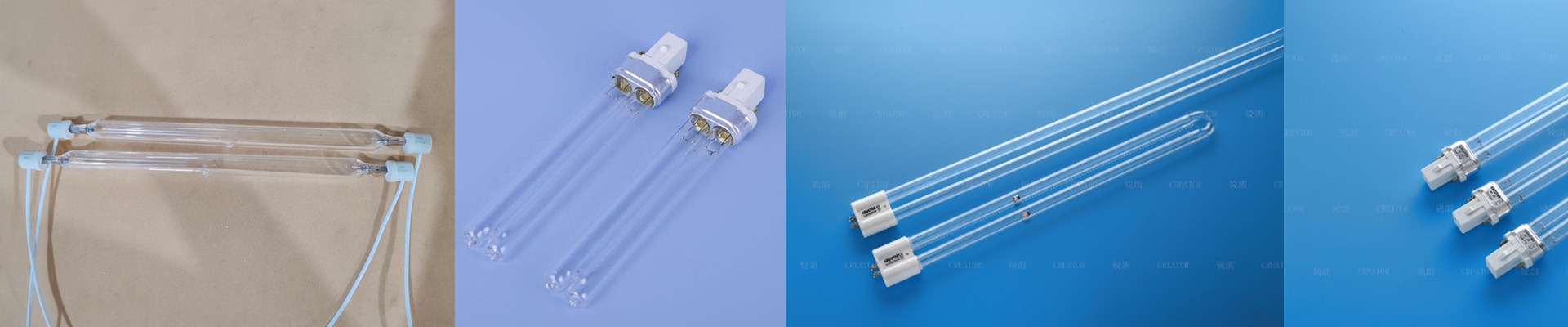
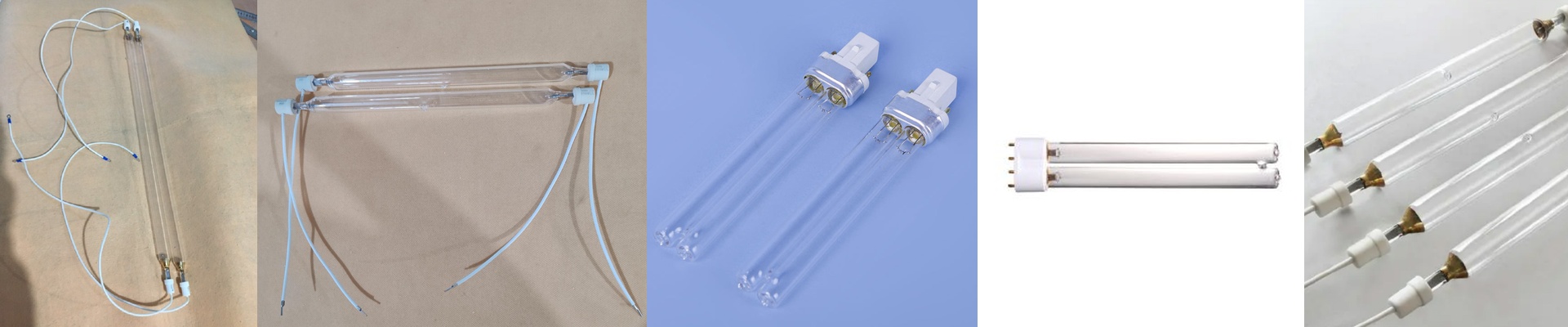
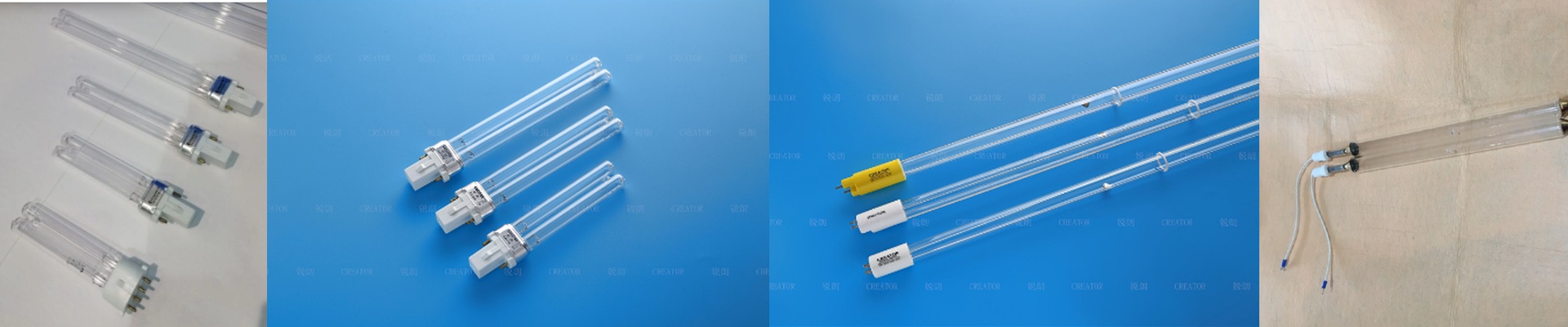
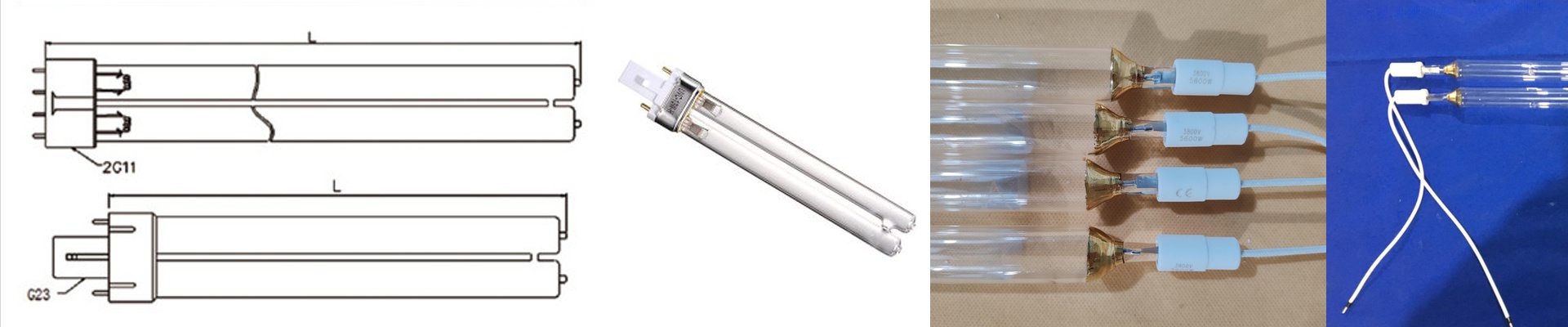
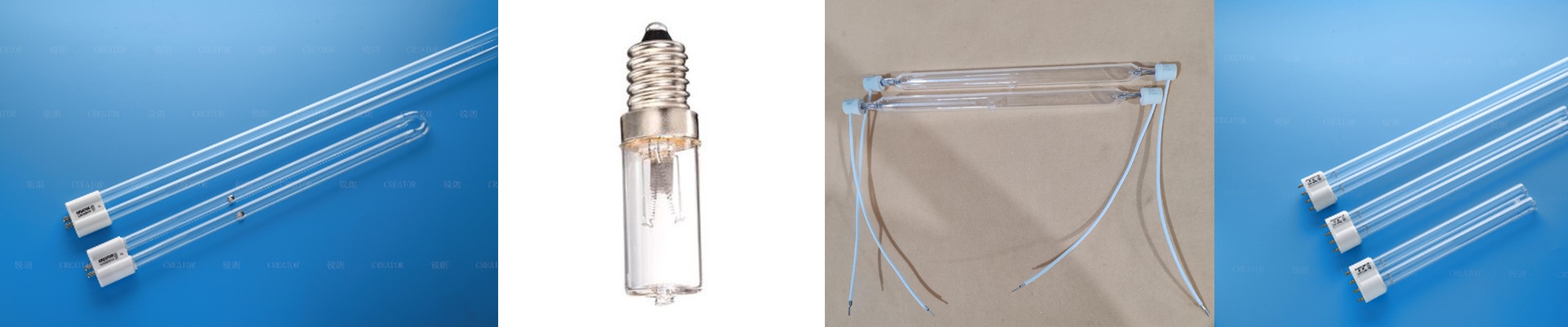
The shape of the lamp and the connectors you use can be the difference between a quick fix and a total shutdown. If a replacement doesn’t fit the electrical footprint perfectly, you risk arcing at the terminals. Not a good sound, and definitely not a good look. Then there’s the “arc drift.” When the arc isn’t stable, your curing becomes uneven. You’ll end up with those annoying wet spots on your finished prints that make the whole batch look amateur. And don’t forget the reflectors. If they’re pitted or oxidized, you’re basically throwing away 30% of your UV energy. Most people try to fix this by running the lamps hotter. Big mistake. That just kills the lamp faster and puts your cooling fans under way too much stress.
Making it Actually Work
We don’t just hand you a box and wish you luck. We help you wire everything so it actually plays nice with your specific ink chemistry. Whether you’re using LED-UV or the old-school mercury vapor, the goal is the same: a rock-solid cure that doesn’t ruin the fabric or paper. It usually comes down to the small stuff—tweaking the lamp height and dialing in the intensity to match exactly how fast your line is moving.