Getting Your UV Curing Right: The Secret to Long-Life Mercury Tubes
If you’ve ever pulled a part off the line only to find some spots are bone-dry while others are still tacky, you know the frustration. Or worse—you over-cure the piece and it becomes brittle and snaps. Most standard UV tubes have a habit of “drifting.” The energy isn’t spread evenly across the glass, which means your cure depth is basically a guessing game. We spent our R&D time fighting that. We pushed for a spectral energy tolerance of 0.5%. Why? Because that tiny fraction is the difference between a perfect finish and a pile of scrap.
The Nitty-Gritty of the Light
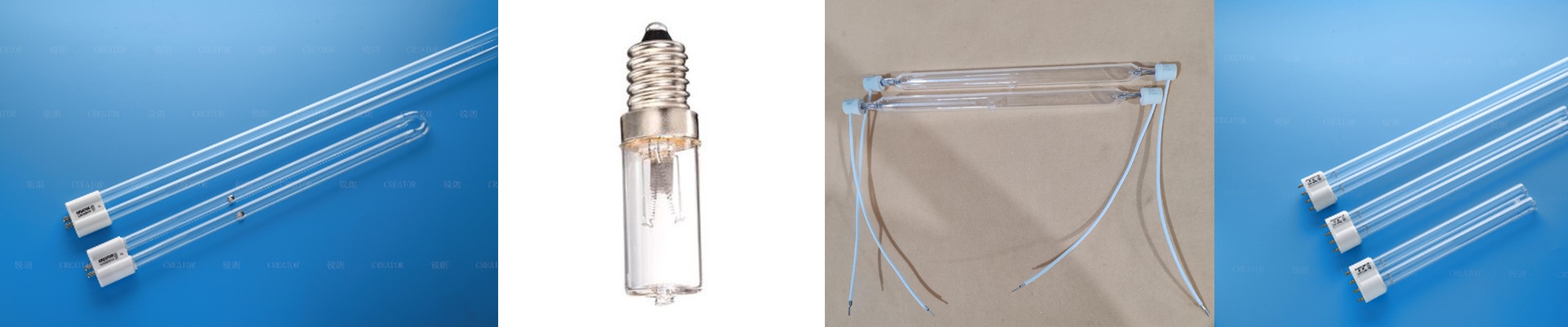
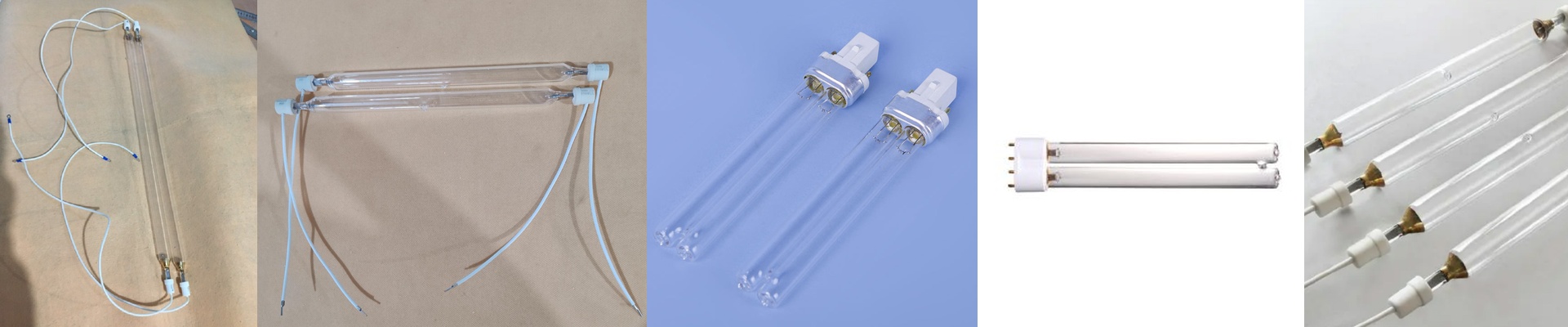
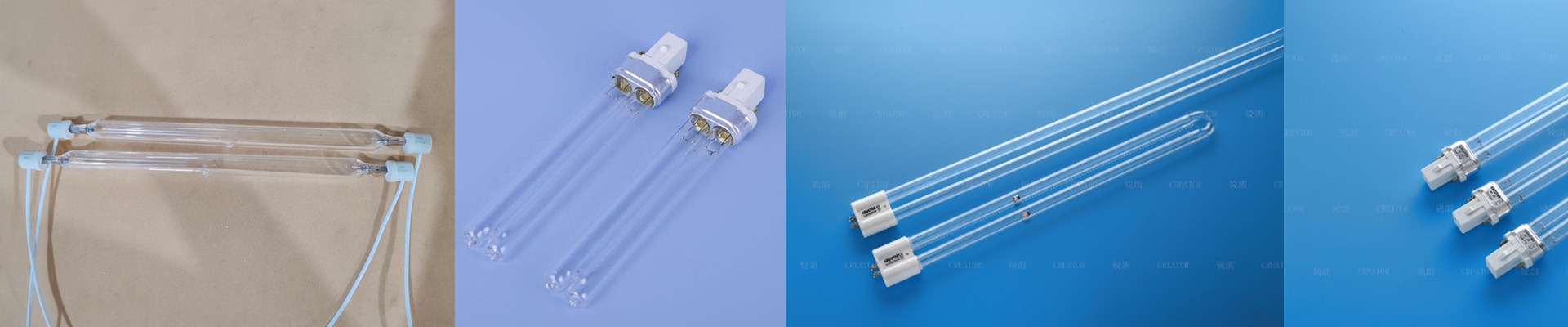
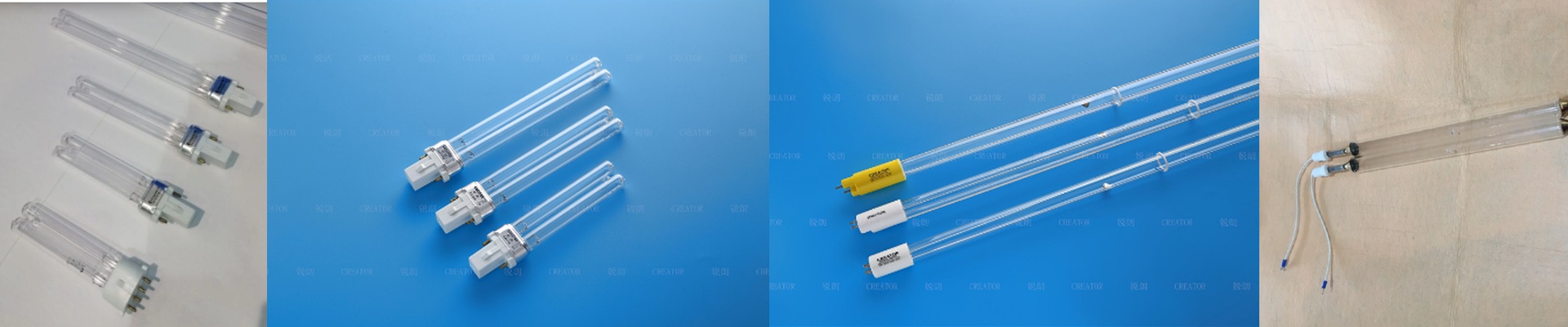
To hit that 0.5% mark, we had to get obsessive about the basics. We use high-transmittance synthetic quartz because it kills those annoying “dark spots” where the energy just drops off. We also tweaked the electrode geometry. If you don’t, the energy tends to bunch up at the ends of the tube. By stabilizing the arc, the light stays consistent from end to end. It just works.
Dealing with the Heat
Here is the thing: high-intensity UV creates a ton of infrared waste heat. It’s a lot. If your cooling fans or water jackets aren’t up to the task, the quartz can actually soften. Once the tube warps, your spectral concentration shifts, and you’re right back to square one with uneven curing. We built these tube walls to handle that constant heating and cooling cycle without cracking. But you’ve still got to make sure your cooling system can actually handle the wattage. Don’t underspec your fans.
Putting Them to Work
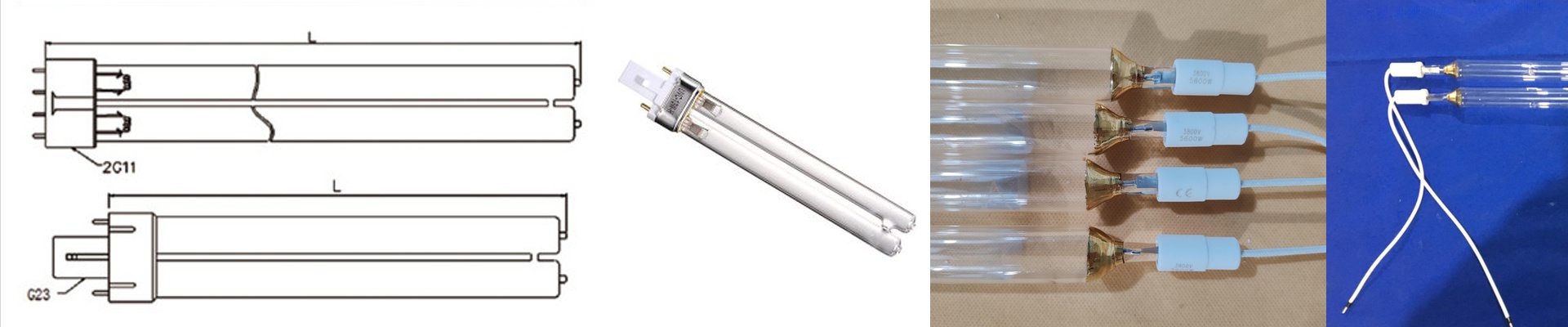
These are designed to be drop-in replacements, so you don’t have to rebuild your entire line. We kept the footprint tight so the lamp sits as close to the product as possible. That gives you the most punch. But there is a trade-off. Because the energy density is so high, you have a much smaller window for error with your conveyor speed. You’ll want to calibrate your line speed to the specific millijoules (mJ/cm²) of these tubes. If you just “set it and forget it,” you might end up scorching your substrate. Take a few minutes to dial it in, and you’re golden.