The Real Science Behind Our Quartz UV Tubes
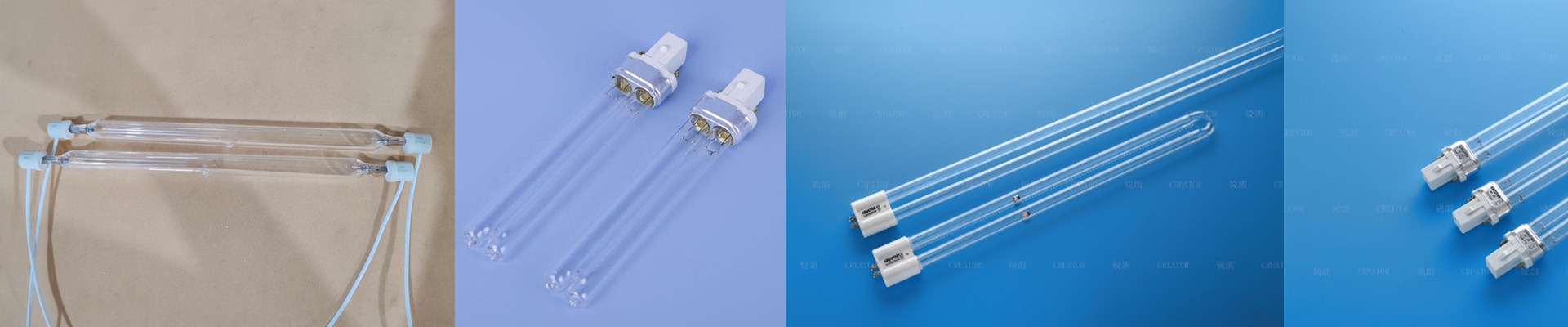
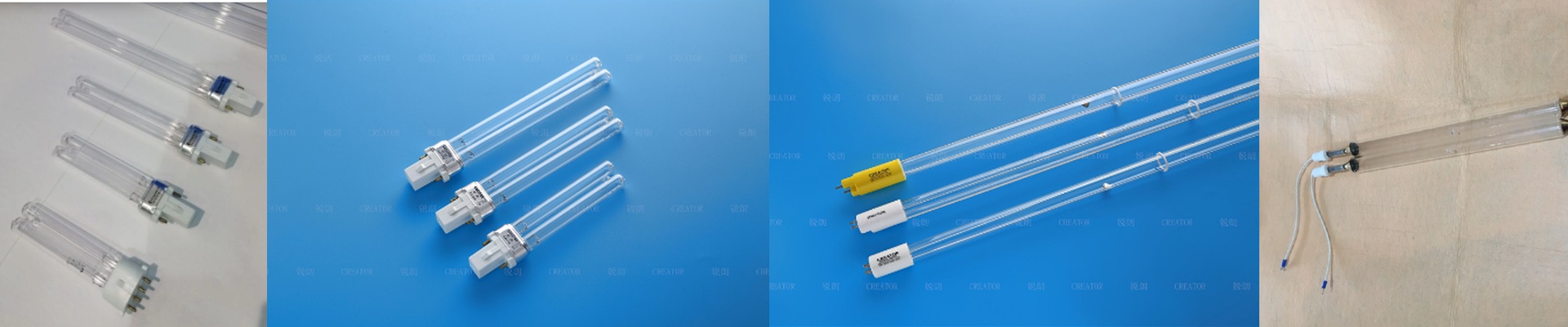
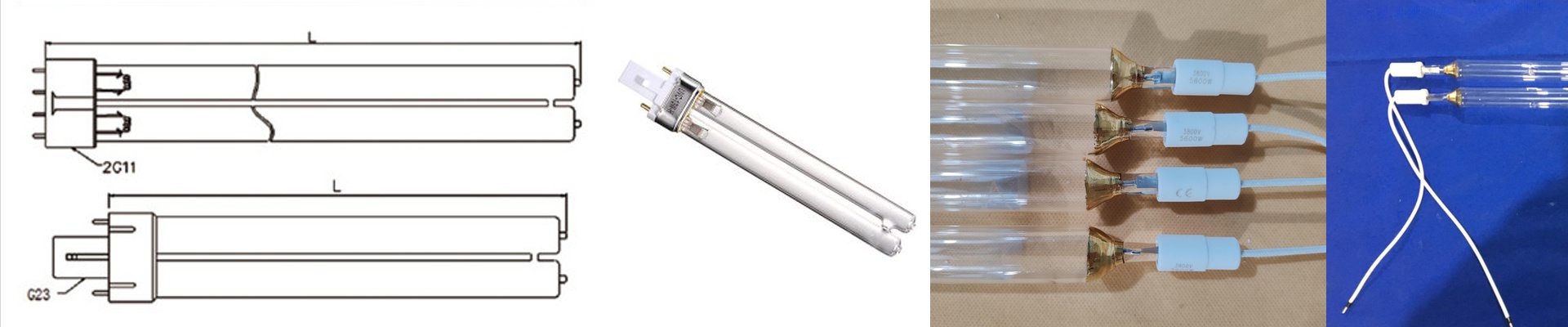
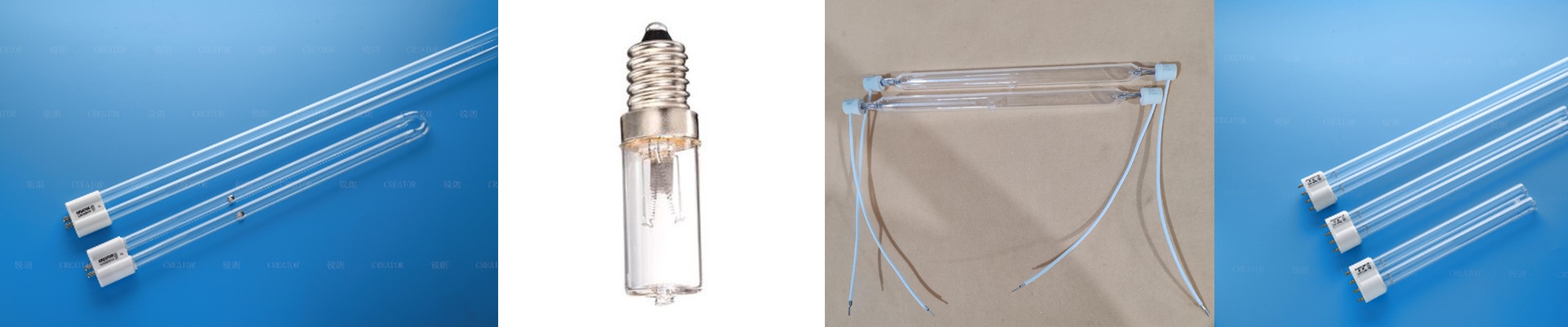
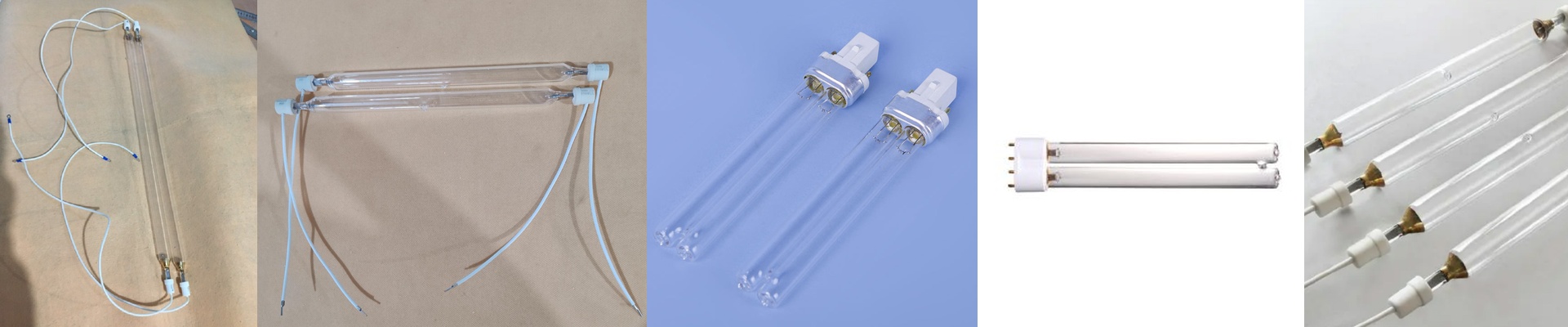
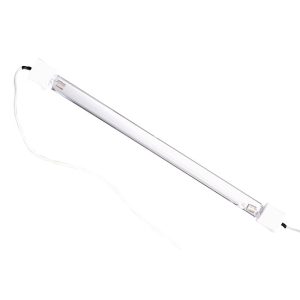
We aren’t just blowing glass here. We’re basically managing light. The whole goal in our lab is to make sure the quartz envelope doesn’t get in the way. If the glass absorbs the UV wavelengths instead of letting them through, the lamp is useless. It all comes down to the glass. Most glass just blocks UV. Period. That’s why we use high-purity synthetic quartz. If the silica isn’t clean, you get a messy spectrum instead of a sharp UVC peak. We keep a close eye on things like iron or titanium—even a tiny bit of those impurities creates “dips” in the light transmission. And when that happens? Your curing takes longer. Your production slows down. It’s a headache you don’t need. Dealing with the heat. UV lamps get incredibly hot. To keep them from burning out too fast, we have to find the sweet spot between the electrode materials and the internal gas pressure. We also keep the tube diameter on a very tight leash. Why? Because a tighter tube concentrates the plasma arc. It gives you more “punch” and higher intensity in a smaller space. The big trade-off: Power vs. Time Here’s the thing: if you want extreme intensity, you have to run more current through the lamp. But that puts a lot of stress on the electrodes. It’s a balancing act. You can push the lamp harder to speed up your curing line, but you’ll be replacing the bulbs more often. We offer a few different wattage options so you can choose. Do you want a workhorse that lasts 10,000 hours, or do you need raw power for a high-speed line? You decide. Making it work at scale When you’re ordering these in bulk, the last thing you want is a fitting nightmare. We’ve standardized the end-cap geometry to make sure everything just fits. When you wire these into your ballast, the connection is solid. No arcing at the pins. No random failures on the factory floor. It just works.