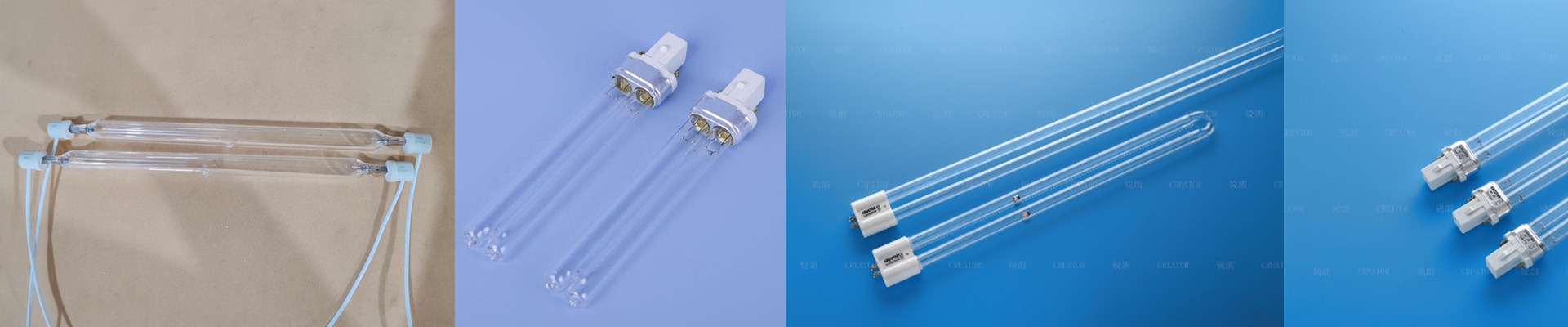
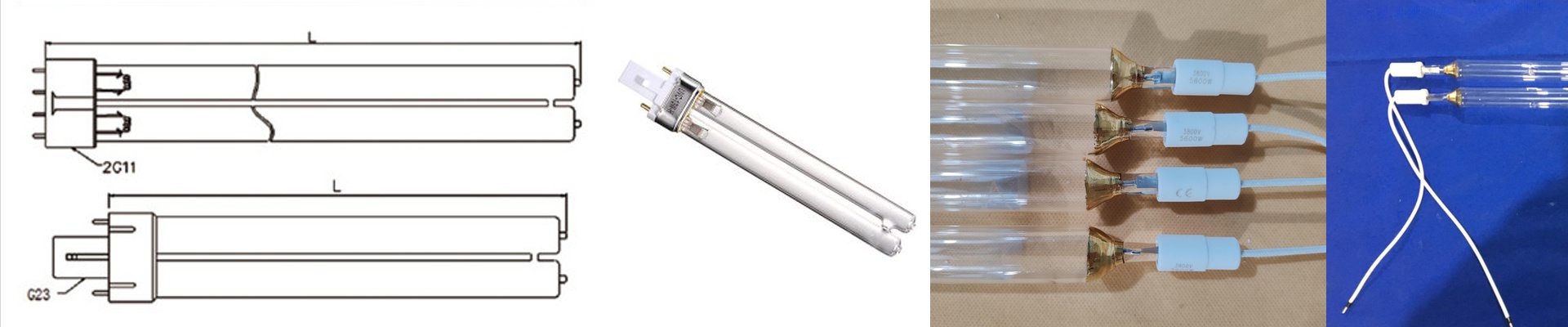
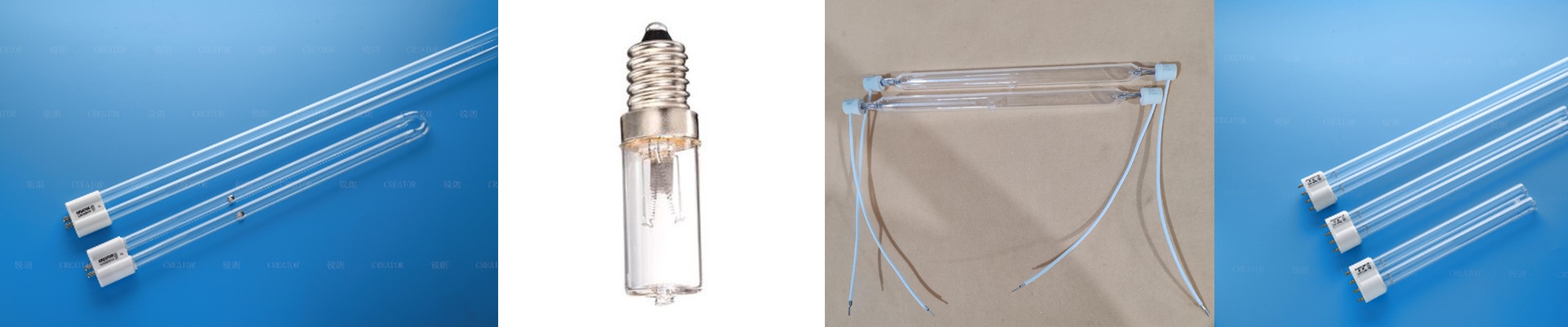
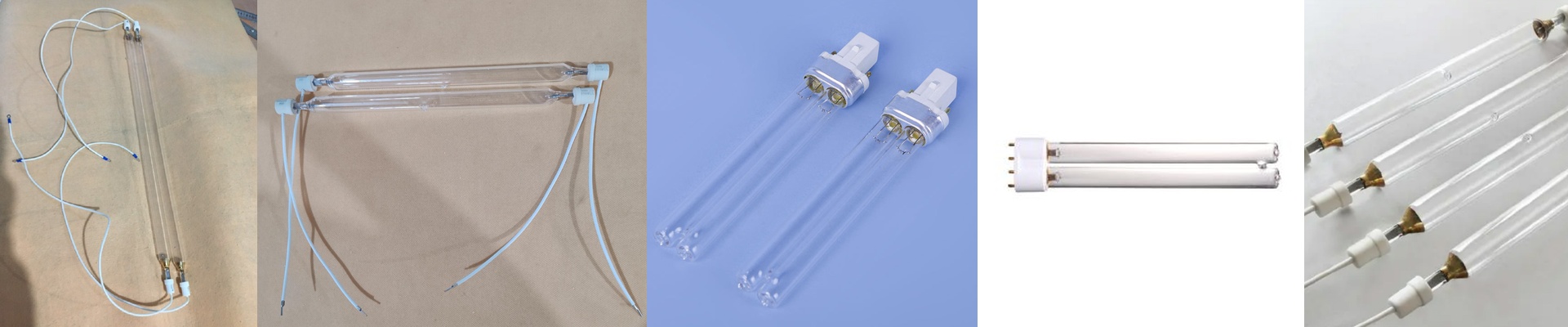
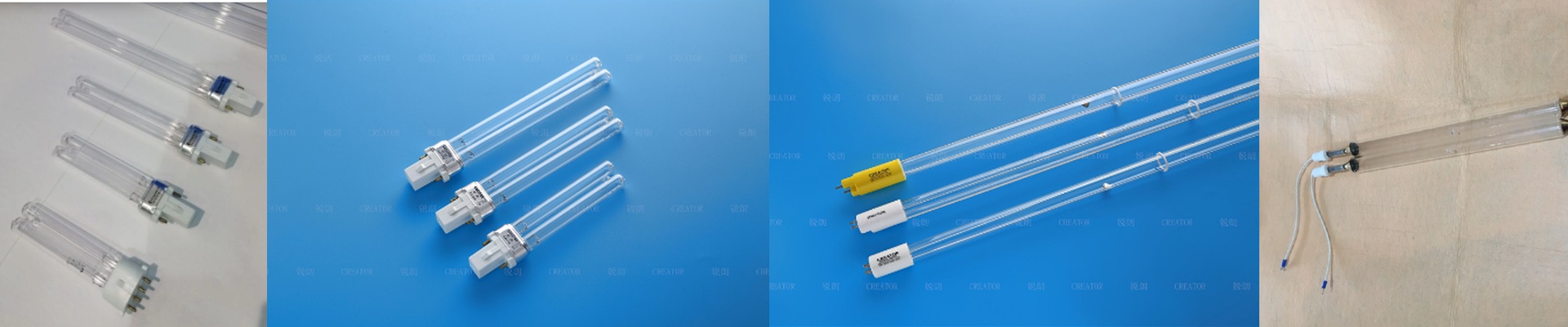
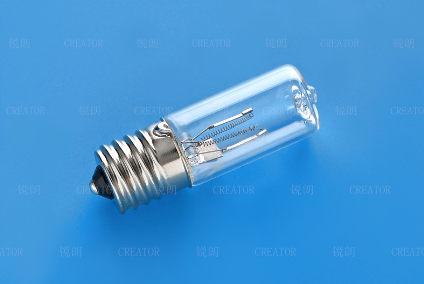
Stop Guessing With Your UV Lamps
For a long time, mercury UV lamps have been “blind.” You plug them in, they glow, and you just… hope they’re still working. Most people just guess the output based on how old the lamp is. It’s a bit of a gamble. We’re fixing that. By putting energy monitoring right into the power circuit, we’ve turned a basic part into something that actually talks back to you.
The Problem With “Calendar” Replacements
Here’s the thing: mercury vapor isn’t stable. As the electrodes wear down and the quartz gets cloudy, your power drops. Usually, shops replace lamps on a strict schedule—every few months, regardless of how they’re actually performing. That’s a waste of money. By tracking voltage and current in real-time, we can see exactly when the energy hits your minimum threshold. You swap the lamp when it’s actually dead, not just because the calendar says so.
The Honest Trade-offs
I won’t tell you this is a magic fix with no downsides. Adding sensors means the ballasts and wiring take up more room. You can’t just pop a smart lamp into an old analog fixture and expect it to work. You’ll need to update your controller and set up a stable data link—Modbus or MQTT usually does the trick—to get those metrics onto your screen. Plus, more electronics means more things that could go wrong compared to a dead-simple lamp. You’ll also want to make sure your electrical cabinets have enough breathing room to handle the extra heat.
What This Actually Does For Your Floor
No more walking around with a manual radiometer. It’s a chore. Instead, imagine looking at a screen and seeing that lamp #34 in a 50-unit array is starting to dip. You catch it before the product fails QC and before the line stops. If a ballast fails or a tube cracks, the system pings you immediately. It takes the guesswork out of the day and lets you actually breathe.