Why you shouldn’t gamble with your UV lamps when exporting
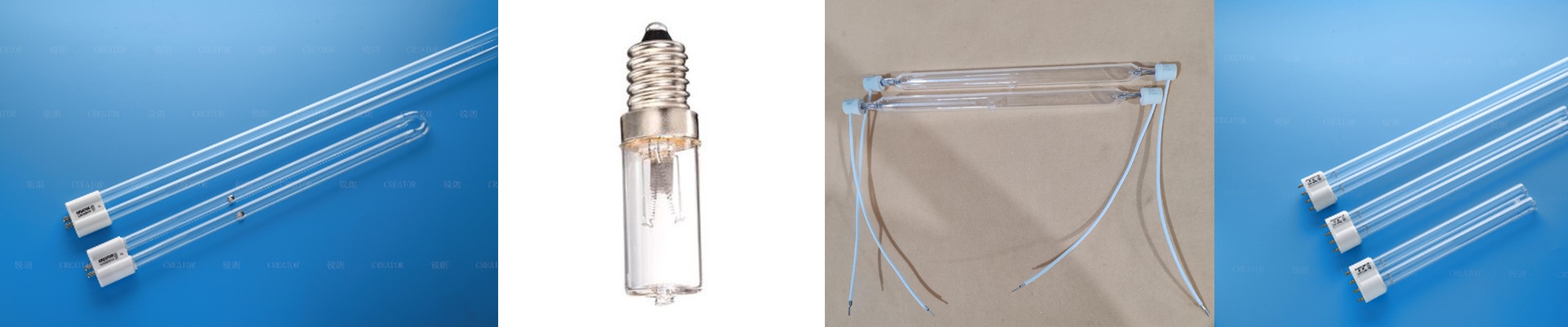
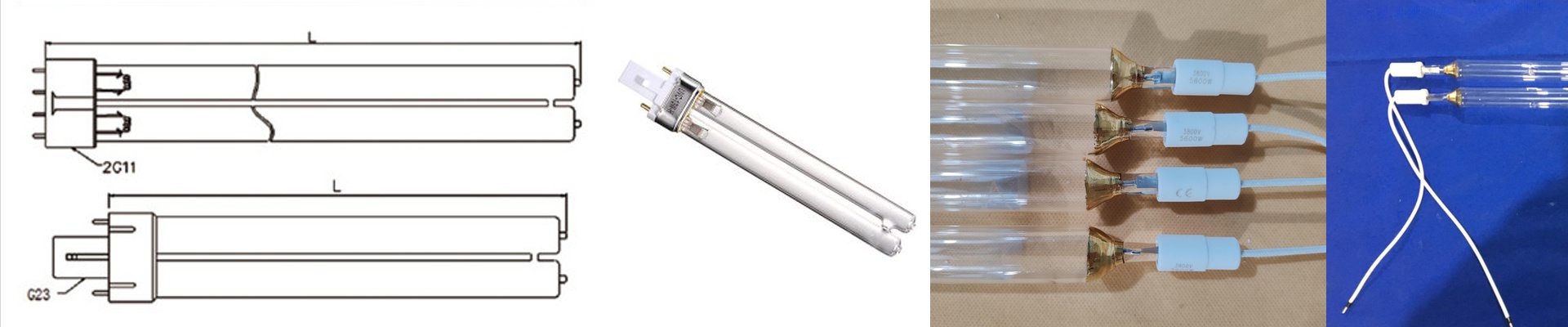
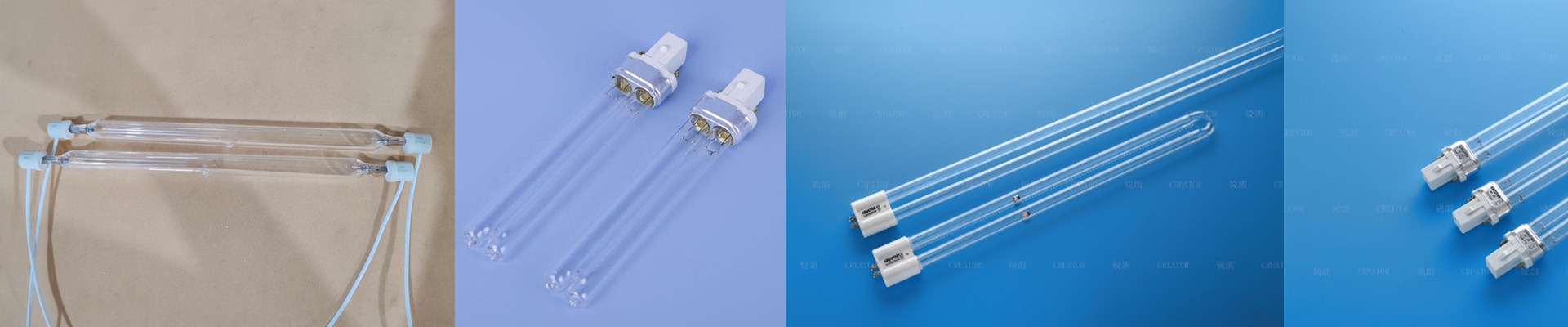
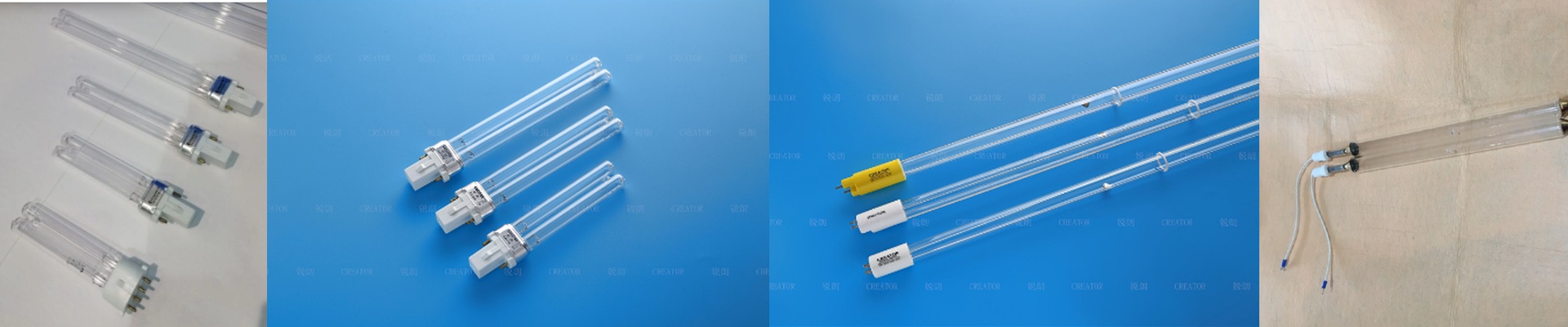
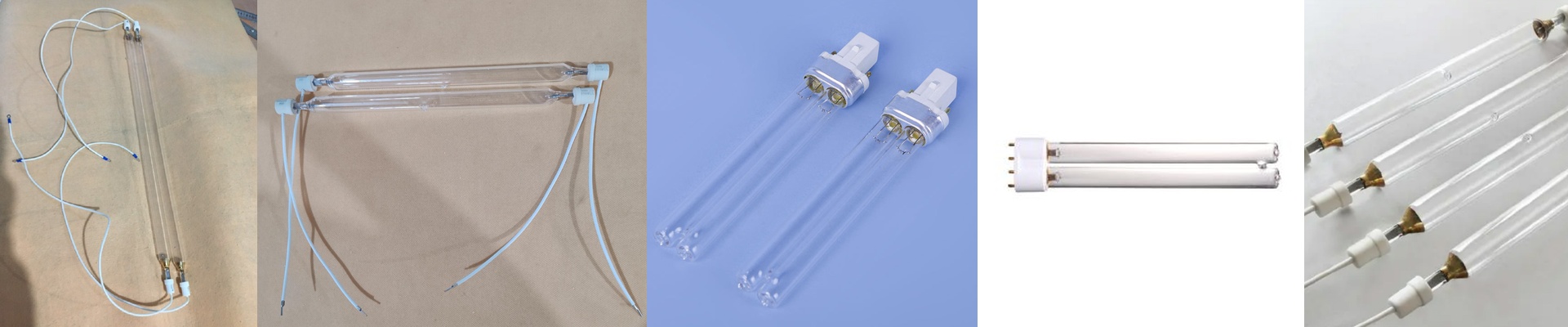
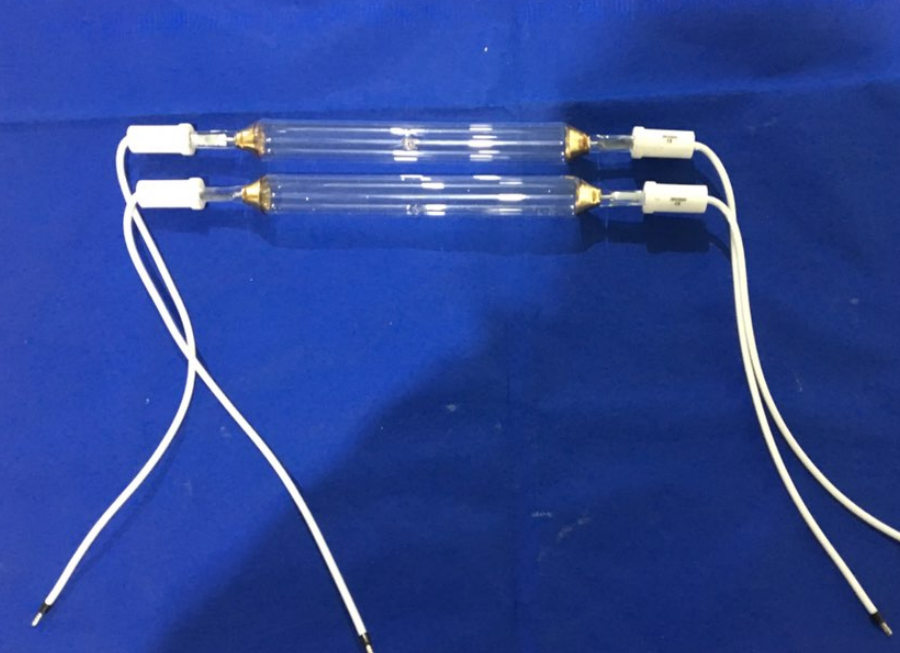
If you’re sourcing custom UV lamps for international markets, the technical specs are only half the story. The other half? Intellectual property. Now, having a supplier with their own patents isn’t about bragging rights. It’s about making sure your shipment doesn’t get yanked by customs because some company claims you’re stealing their design. Trust me, that’s a headache you don’t want. The danger of “generic” gear A lot of shops sell “standard” UV lamps. The problem is, many of those are just clones of existing patents. If you build those into your machines and ship them off to the US or EU, you’re playing a risky game with customs. We do things differently. We own the design patents for our lamp architecture and electrode setups. It means when your gear hits the border, you can breathe easy knowing everything is legal and clear. Real engineering vs. just buying off a shelf We don’t believe in one-size-fits-all. We build lamps based on exactly what you’re trying to cure or sterilize. Take the quartz tube, for example. There’s a constant tug-of-war between thickness and UV-C output. Go too thin, and you get great transmission, but the lamp becomes fragile. Go too thick, and you lose power. We find that sweet spot so your tubes don’t crack the moment they hit a bump during shipping or get too hot during use. Plus, we handle the wiring and connectors so they just slide right into your existing rigs. Whether you need a specific wattage for a fast-moving conveyor or a very precise length for a medical chamber, we build it to your exact prints. The cost of doing it right Here’s the honest truth: patented designs usually cost a bit more upfront than the generic clones. You’re paying for peace of mind and tighter tolerances. But look at it this way—a few extra dollars per unit is nothing compared to the cost of a seized shipment or a legal fight in a foreign court. One last tip: make sure your cooling systems are actually built to handle the heat of high-output tubes. If they aren’t, you’ll burn through your electrodes way faster than you should.