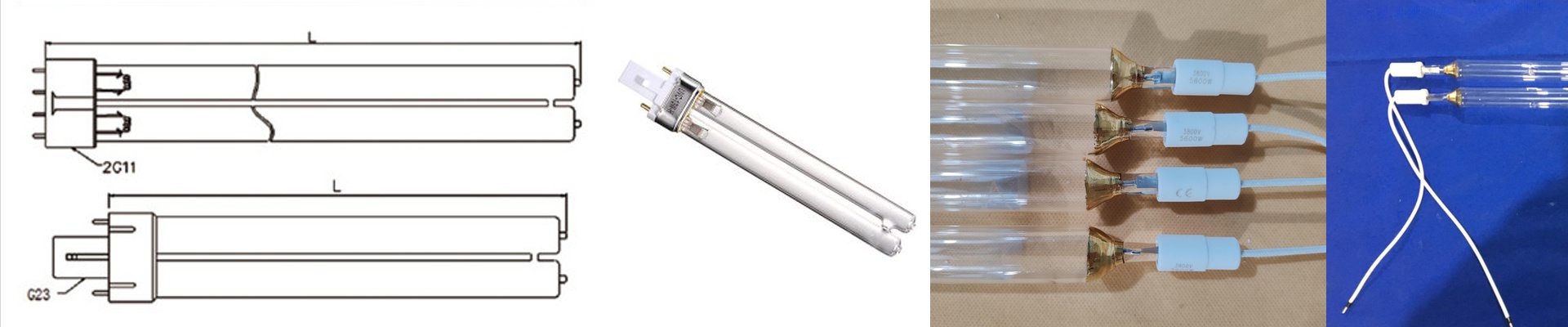
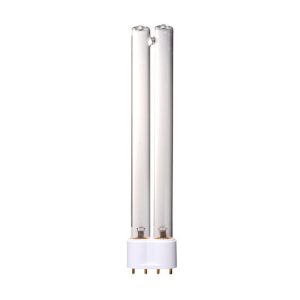
Getting the Most Out of Your 120W/cm Mercury UV Lamp
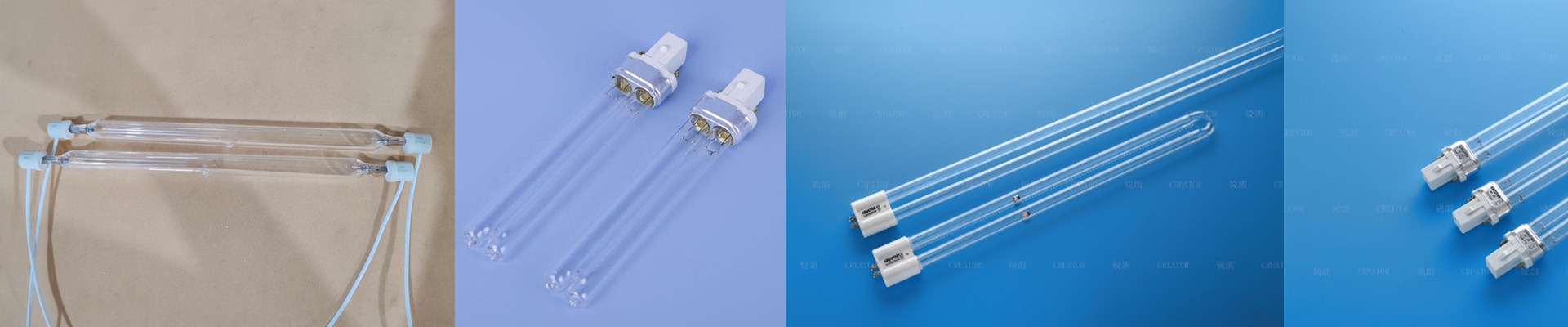
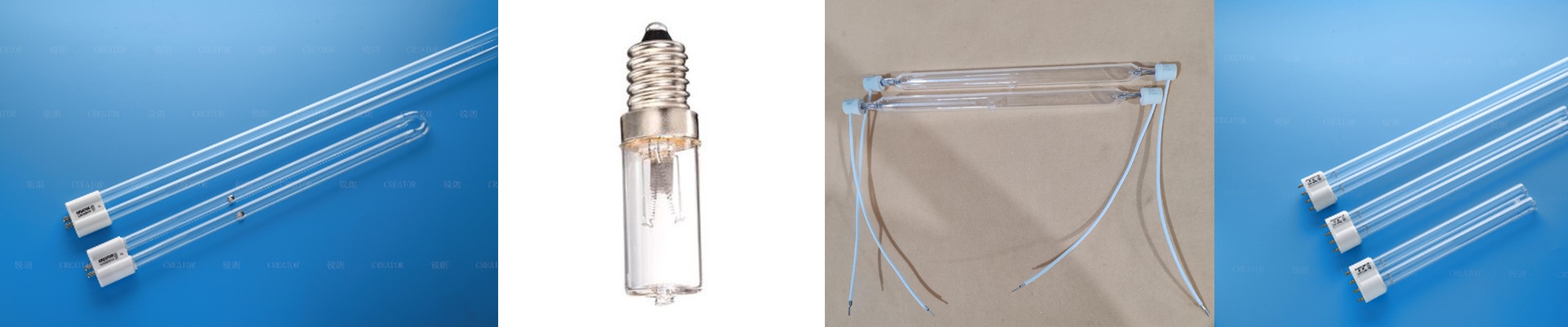
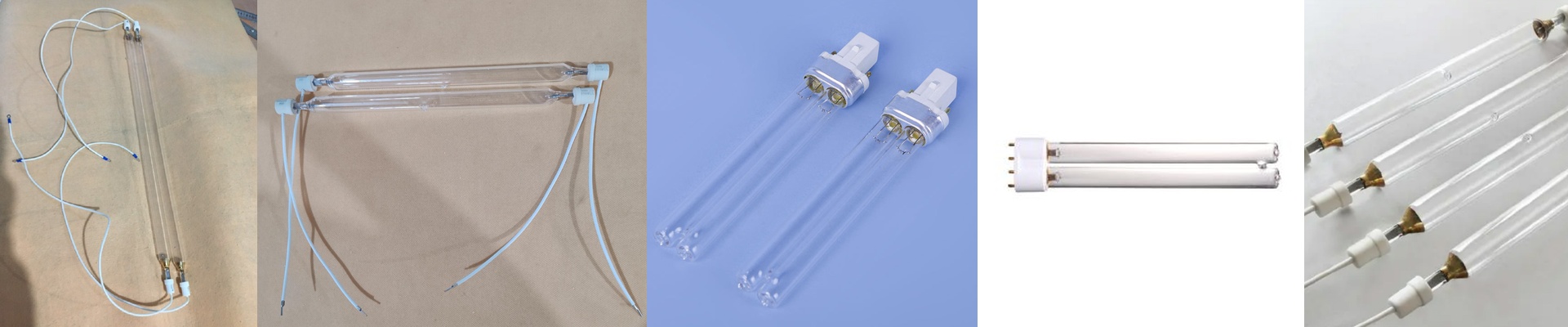
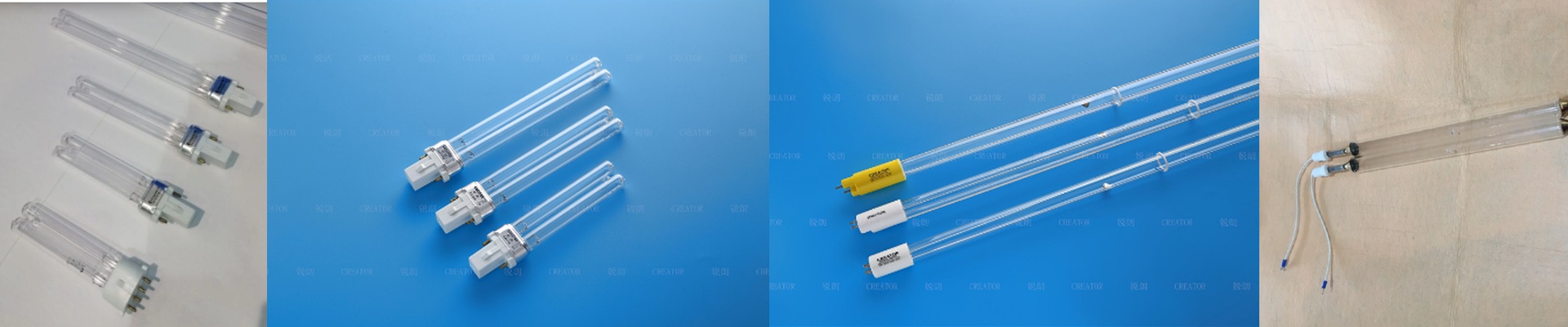
If you’re running a printing or coating line, you probably already know that the 120W/cm mercury lamp is the heavy lifter of the shop. It’s the tool that actually makes the magic happen, triggering that chemical reaction that turns wet ink into a hard, dry finish in a heartbeat. The Heat Struggle Here is the thing about power density: it’s a double-edged sword. Let’s do the math. If you have a 100cm lamp, you’re shoving 12,000W through a single quartz tube. That is a staggering amount of energy packed into a tiny space. Yeah, your cure speeds will be lightning fast. But man, the heat is intense. If your cooling fans are dusty or your water-jackets aren’t up to the task, you’re asking for trouble. You’ll see the quartz warp, or worse, the lamp will just burn out way before its time. How it Actually Works Inside that tube, we’re using a mercury-discharge process to get those UVC and UVB wavelengths. An electrical arc hits the mercury atoms, and they spit out a peak wavelength around 254nm. That specific energy is what does the heavy lifting. It snaps the chemical bonds in your ink’s photoinitiators, flipping the material from liquid to solid in milliseconds. It’s almost instant. Keeping Things Running Smoothly We built these to be simple drop-in replacements, so you shouldn’t have to rebuild your whole system to use them. We spend a lot of time on the electrode stability because nobody likes a flickering lamp or a surprise failure in the middle of a big job. But a quick heads-up on the wiring:make sure your ballast matches the lamp’s operating current. If they don’t match, you’ll get “hot spots” on the tube. Those spots are basically death sentences for the lamp. And remember, we aren’t just selling you a piece of glass. We want to help you find that “sweet spot” for the distance between the lamp and your product. It’s a balancing act. If you see your plastic or PET bubbling, don’t panic—just speed up the conveyor or dial back the power.