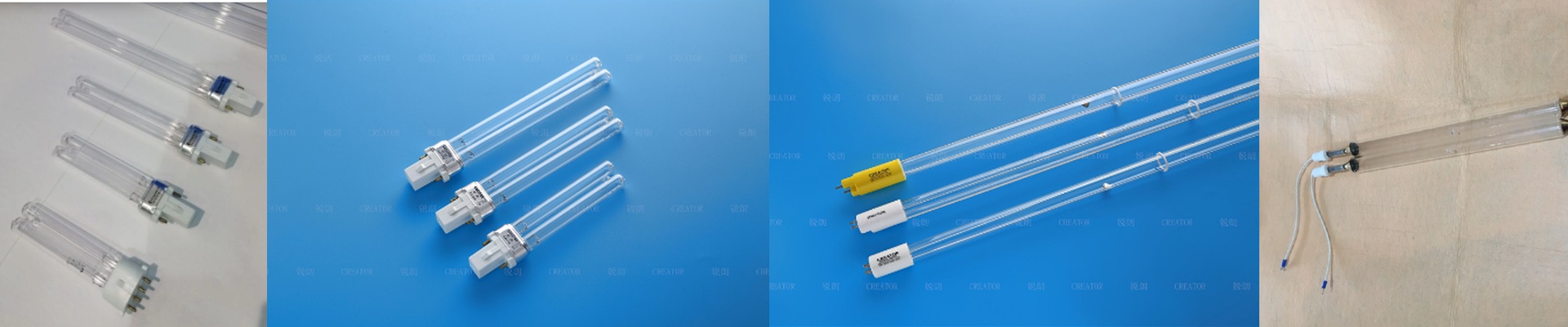
Using UV Lights in Textile Making
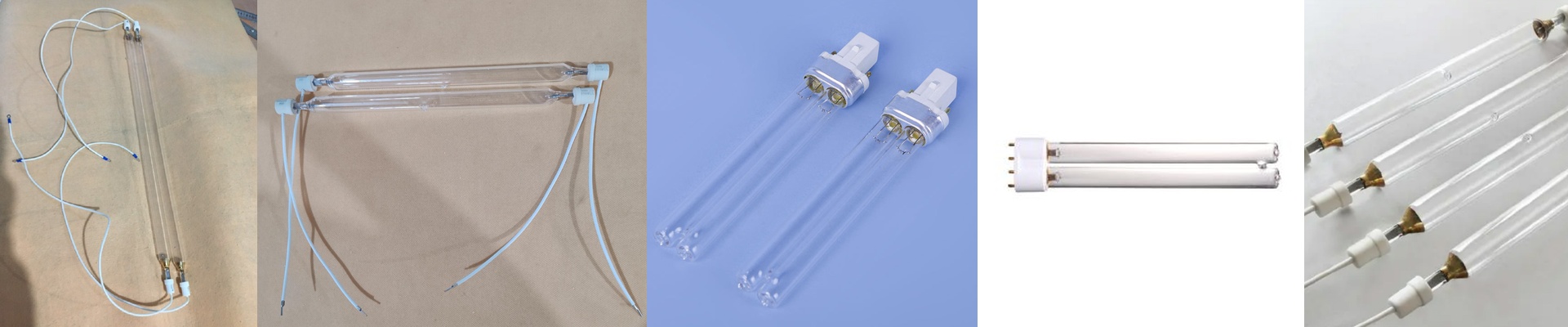
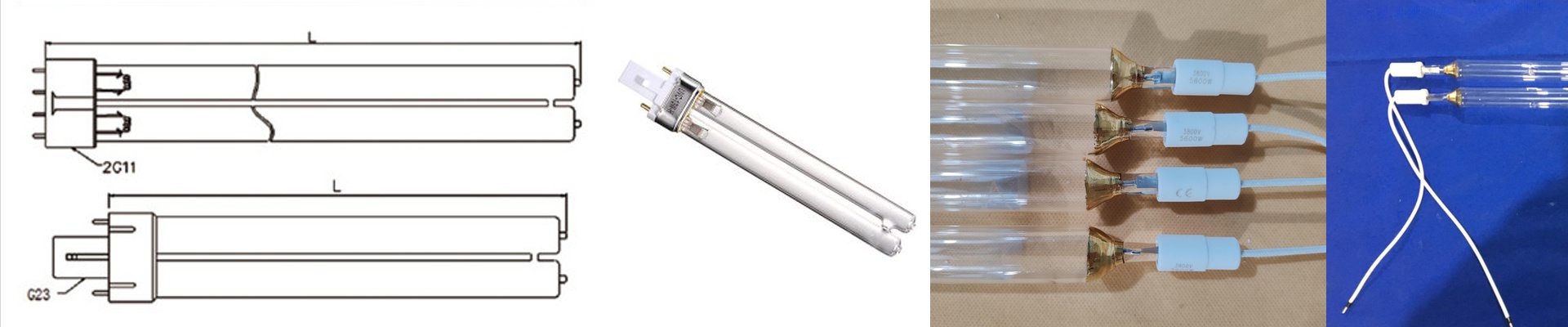
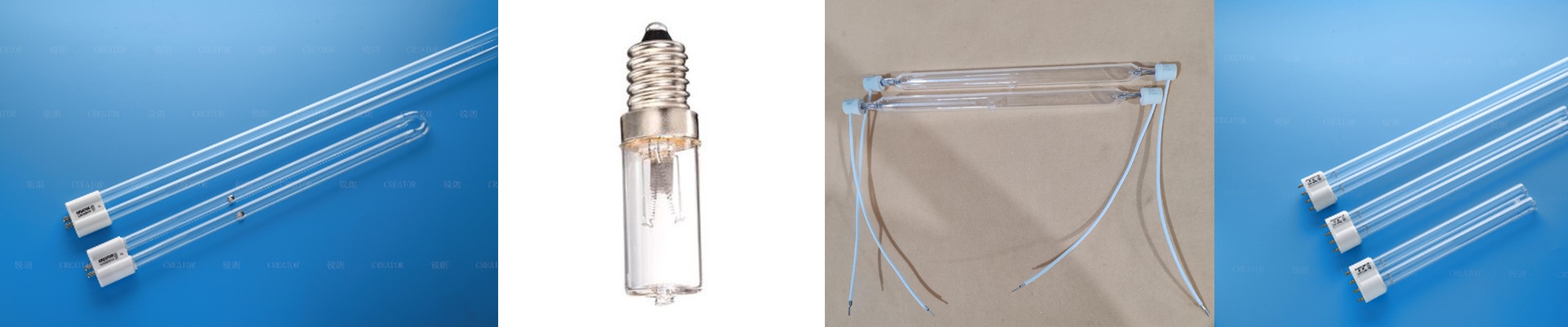
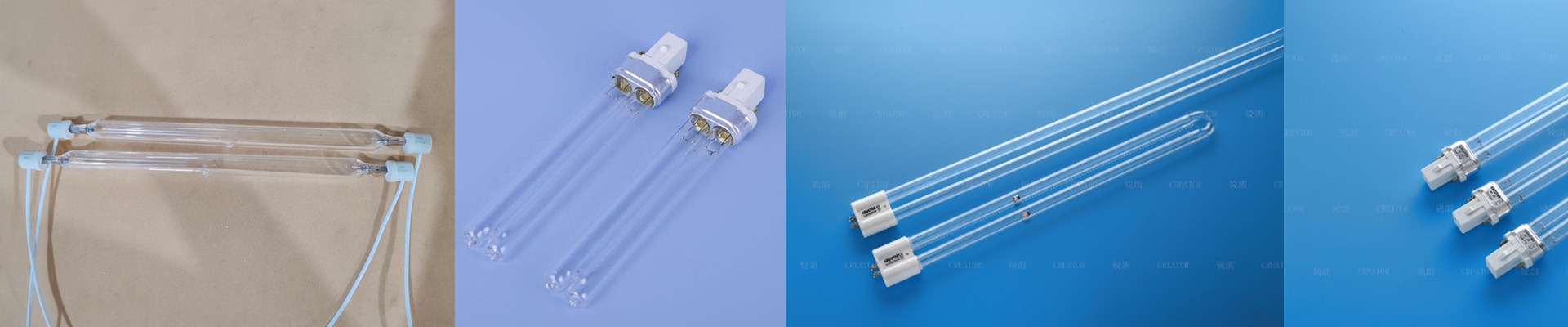
Most people think UV lamps are just for killing germs or tanning. But in the textile world, we use them for something way cooler: photopolymerization. Basically, it’s a fancy way of saying we use light to turn a liquid into a solid, almost instantly. It’s a bit like magic. You hit a liquid monomer with the right light, and boom—it’s a hard polymer. We tuck these systems into different parts of the production line to get a garment from a raw roll of fabric to something you can actually wear.
How the curing actually works
We mostly lean on UVC or UVA spectrum lamps. Here’s the deal: when you put a UV-curable ink or coating on fabric, the light hits these “photoinitiators.” That kicks off a chemical reaction that locks the coating right into the fibers. But you have to get the power—the irradiance—just right. If it’s too weak? The ink stays tacky. You’ll touch it and your finger will stick. Too strong? You’ll actually scorch the synthetic fibers or shrink the fabric. It’s a delicate balance.
Where we actually use it
I usually see these lamps popping up in three spots: **Digital Printing.**When we print on polyester or nylon, UV lamps lock that ink in place. It stops the colors from bleeding, so your designs stay crisp and sharp. **Functional Coatings.**Think water-repellent gear or flame-retardant clothes. We used to use these massive, roasting thermal ovens to dry these layers. Now? We use UV. It takes up way less space on the factory floor. **Bonding.**This is the neat part. For seamless clothes, we’re ditching the needles and thread. Instead, we use UV-curable glues to bond the seams together.
The tricky part: Engineering
Here is the catch. High-output UV lamps get hot. Like, really hot. While the UV light does the hard work of curing, the infrared heat that comes with it can warp thin fabrics. You can’t just set it and forget it. You have to play with the conveyor speed and the lamp wattage. If the line moves too slow, the fabric gets over-cured and turns brittle. If it’s too fast, the bond is weak and the whole thing falls apart during the first wash. Plus, you need a solid cooling system. If the lamps overheat, the UV output drops, and suddenly your quality tanks.