Getting UV Curing Right for High-Precision Textile Printing
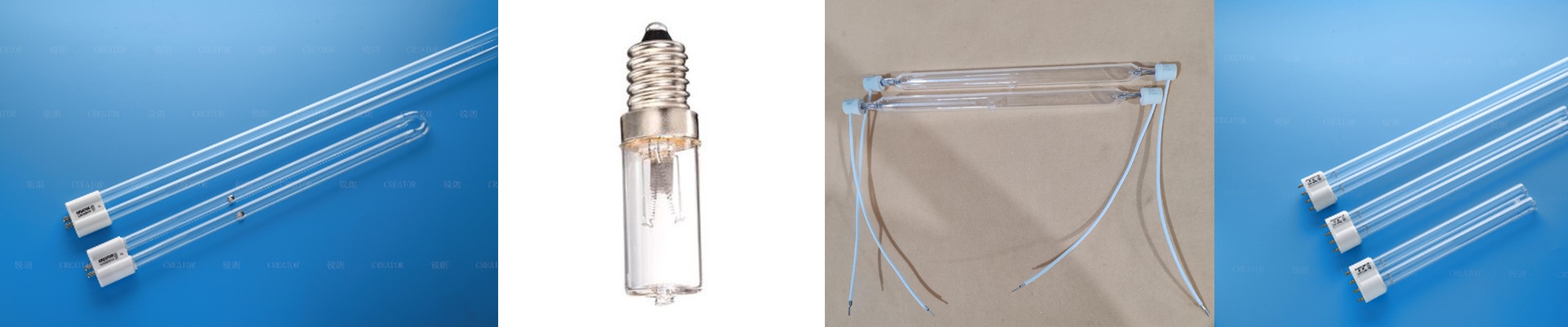
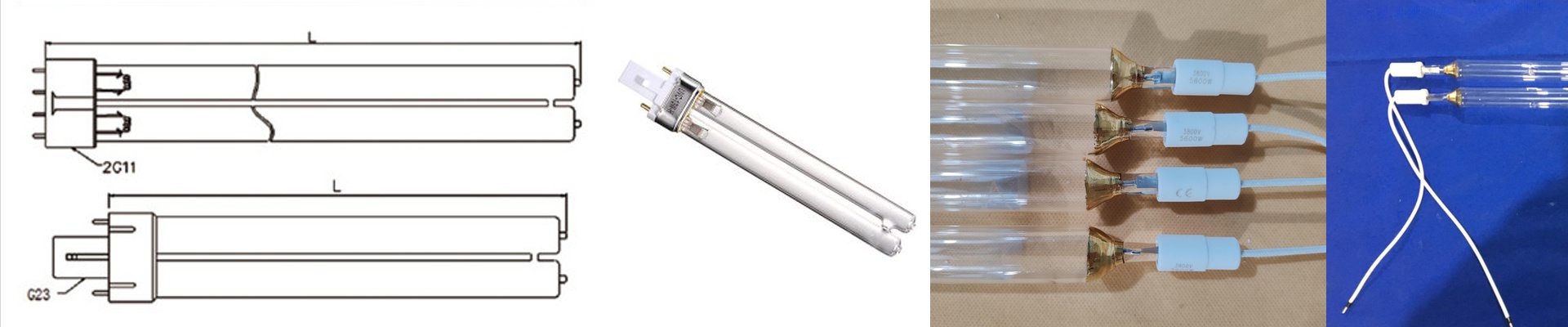
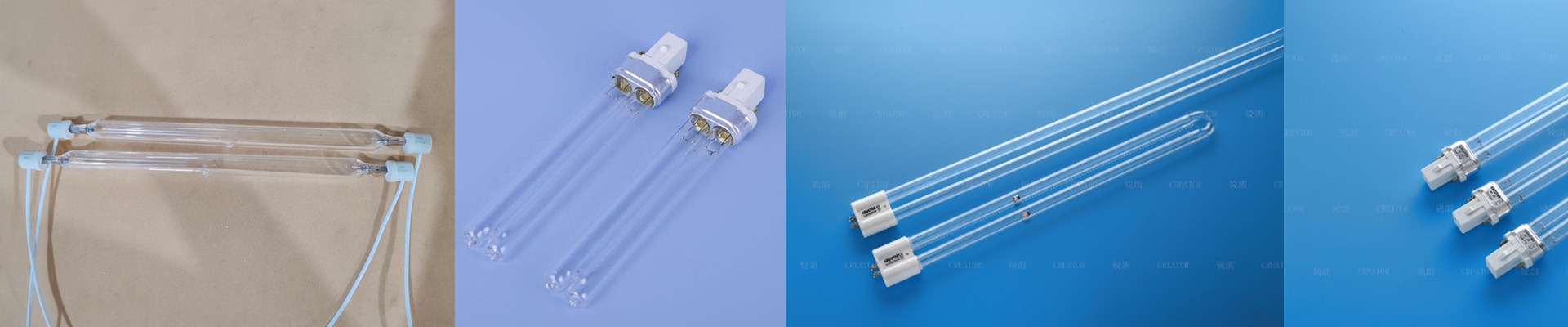
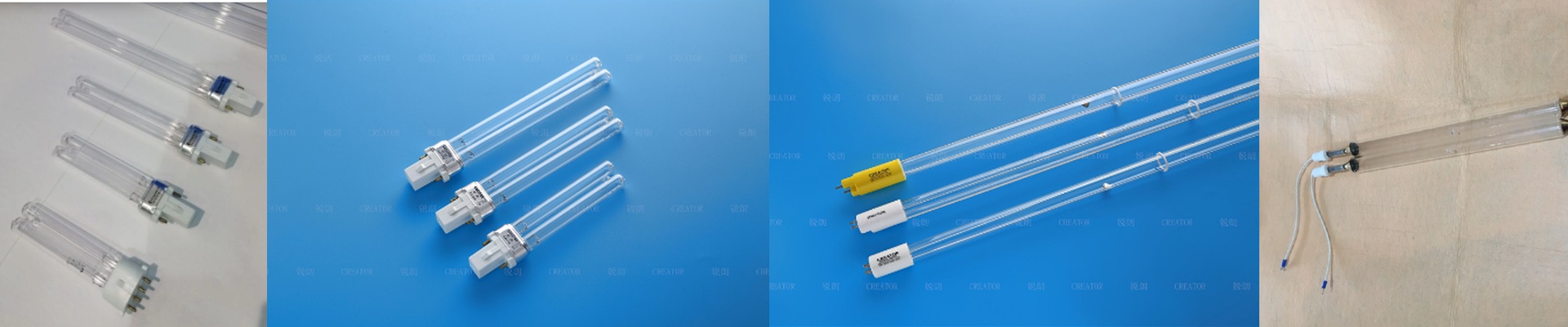
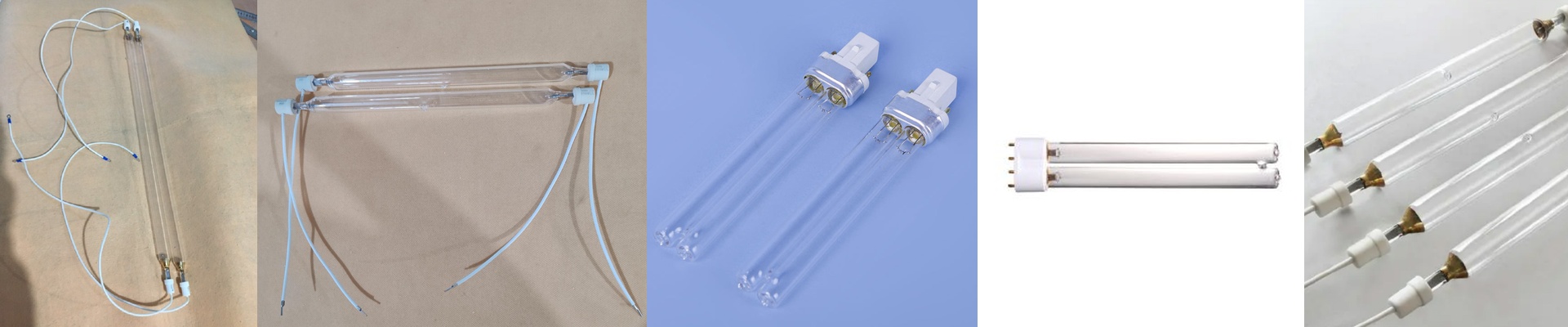
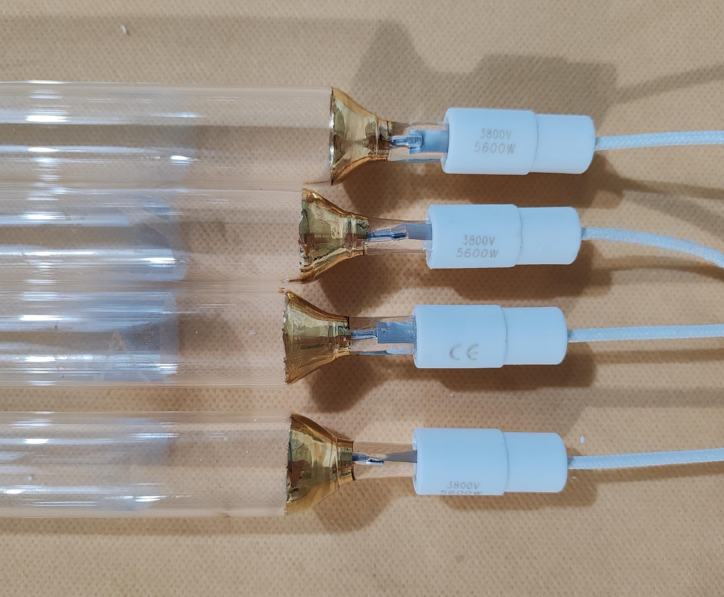
When you’re printing on fabric, UV curing isn’t just about throwing some bright lights at the material. It’s really about the chemistry. If the ink doesn’t react exactly right the second it hits the fabric, you get bleeding. Your crisp lines turn into a blurry mess. That’s why we build custom lamp arrays—to make sure your prints stay sharp and exactly where they belong. Matching the light to the ink Here’s the thing: your lamp needs to “talk” to the photoinitiators in your ink. If the wavelengths don’t match, you’re wasting energy. We look at how fast your conveyor is moving and then pick the wattage and tube length to match. If you crank up the speed to push more product, you need more power (irradiance) so the ink cures before the fabric even leaves the chamber. We also spend a lot of time tuning the voltage. If the arc isn’t stable, you get flicker. And flicker leads to “zebra stripes”—those annoying uneven lines across your fabric that ruin a whole batch. The heat struggle UV lamps get hot. Really hot. In the textile world, that’s a problem. Too much infrared radiation and you’ll scorch your synthetics or end up with fabric that shrinks. To stop that, we use specific quartz glass blends. They act like a filter, blocking the heat but letting the UV-A or UV-C waves slide right through. It’s a balancing act. You want high intensity to speed up your production, but that puts a lot of pressure on your cooling blowers. If your cooling isn’t up to the task, your lamps will drift or just burn out way too soon. Making it actually work in your shop Nobody wants their line down for a week while they figure out a new setup. So, we design these units to be drop-in replacements. They fit into your existing frames and use standard connectors, so you can just wire them up and get back to work. But there’s one catch: lint. Textile shops are dusty. If that lint settles on a UV tube, it creates hot spots. Those hot spots kill the tube. That’s why we obsess over the housing seals. Still, no matter how good the seal is, you’ve got to keep them clean. A quick wipe-down is the only way to make sure you’re getting the full power out of your lamps for their entire lifespan.