Getting the Wavelength Right: Why Precision Actually Matters
We don’t just put together UV lamps. We spend our days obsessing over photons. Here’s the thing: most of the wholesale lamps you’ll find out there are “leaky.” They throw energy all over the place, hitting spectrums you don’t actually need. That’s a problem. If you’re curing a delicate material or sterilizing a surface, that extra, wasted energy just turns into heat. And heat ruins your substrate. Our whole goal in the lab is to stop the leak and hit one specific, narrow peak.
The nitty-gritty of wavelength control
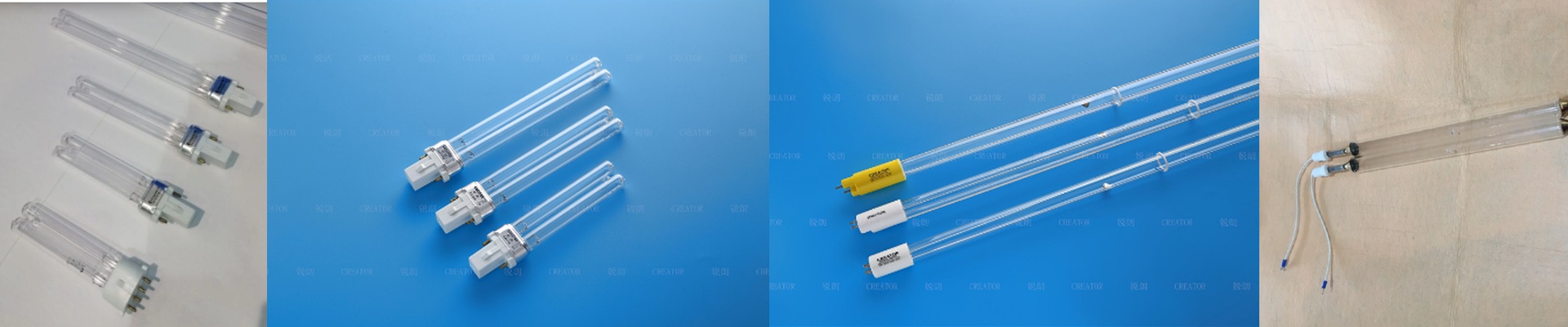
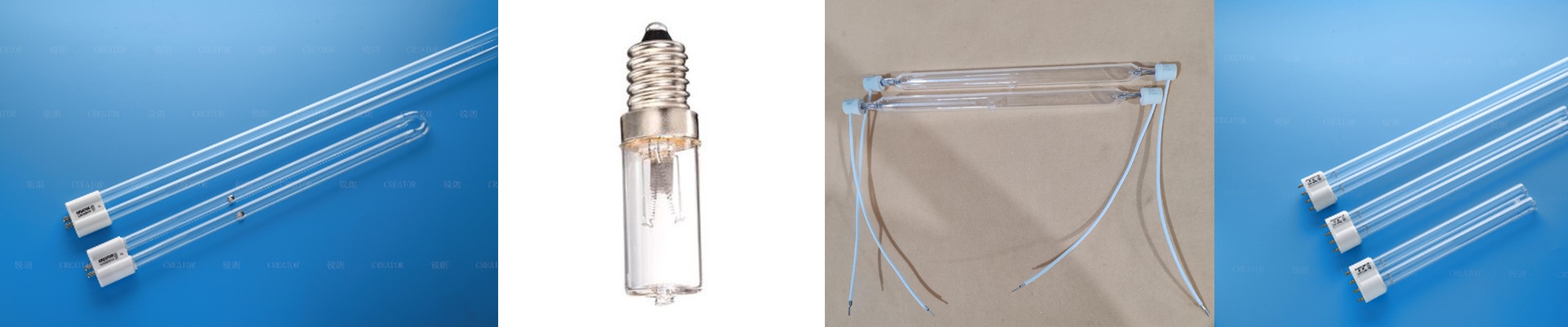
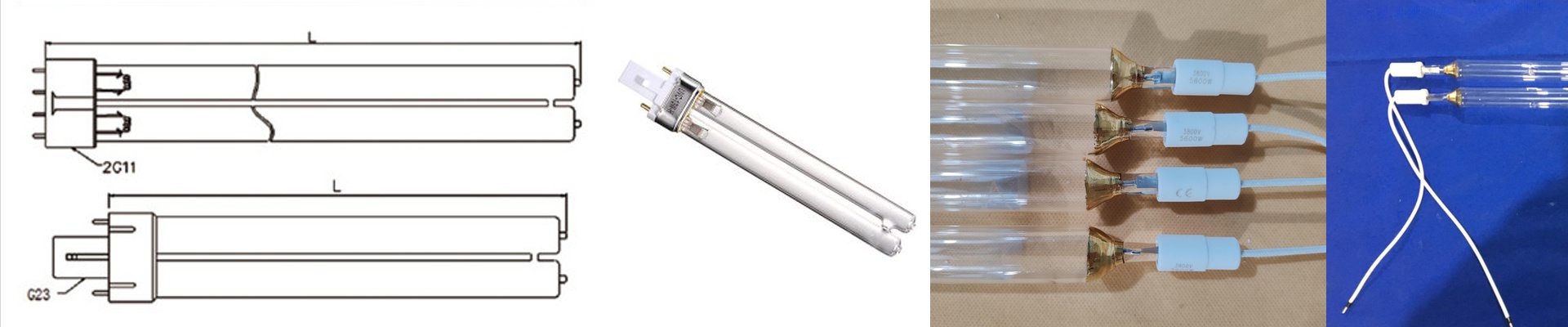
To get the light exactly where we want it, we play around with the gas mixtures and the shape of the electrodes. For UVC work, we’re aiming for that 253.7nm sweet spot. But you can’t just use any old glass. Standard glass blocks UV light entirely. We use high-purity synthetic quartz (fused silica) because it actually lets the light through. It sounds picky, but it is. If the purity of that quartz drops by even 1%, your output tanks. That’s why we keep the tolerances incredibly tight from one end of the tube to the other.
Dealing with the heat
High-wattage lamps get hot. Really hot. When you push for more power, the lamp envelope temperature spikes. If you aren’t careful, you get “solarization”—which is just a fancy way of saying the quartz turns cloudy over time. Once that happens, your lamp is basically a paperweight. We fight this by fine-tuning the ballast voltage and current. But we can’t do it all. You’ve got to make sure your cooling fans or water jackets can actually handle the heat load. If your airflow is weak, your lamps are going to burn out way faster than they should.
Making it work in the real world
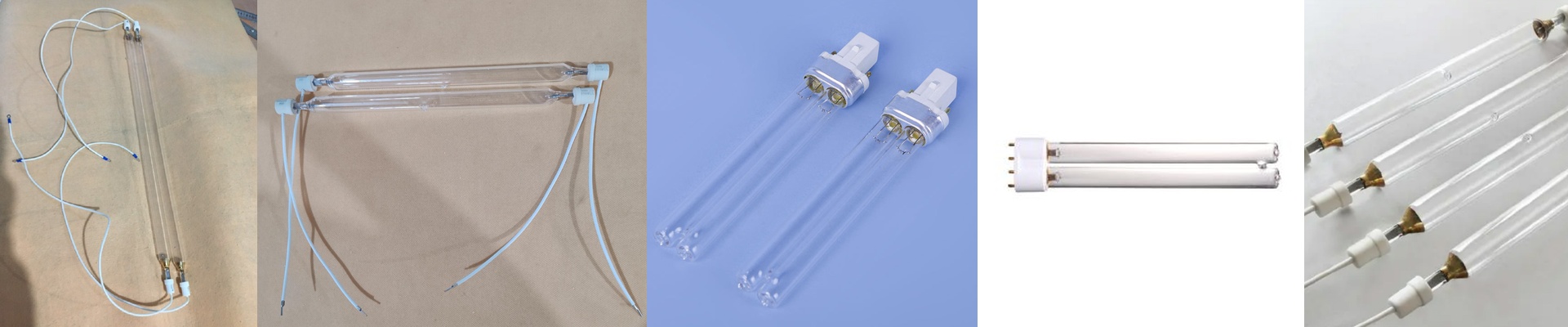
At the end of the day, these lamps have to live in a factory. Whether they’re sliding into a conveyor system or a closed sterilization chamber, the fit has to be perfect. No gaps, no wiggle room. We use reinforced end-caps because these things go through constant thermal cycling—heating up and cooling down over and over. In a 24/7 production environment, things take a beating. We’d rather give you a stable, reliable output than some theoretical “peak” number that looks great on a datasheet but fails in the field. Because the last thing you need is your entire line grinding to a halt for unplanned maintenance.