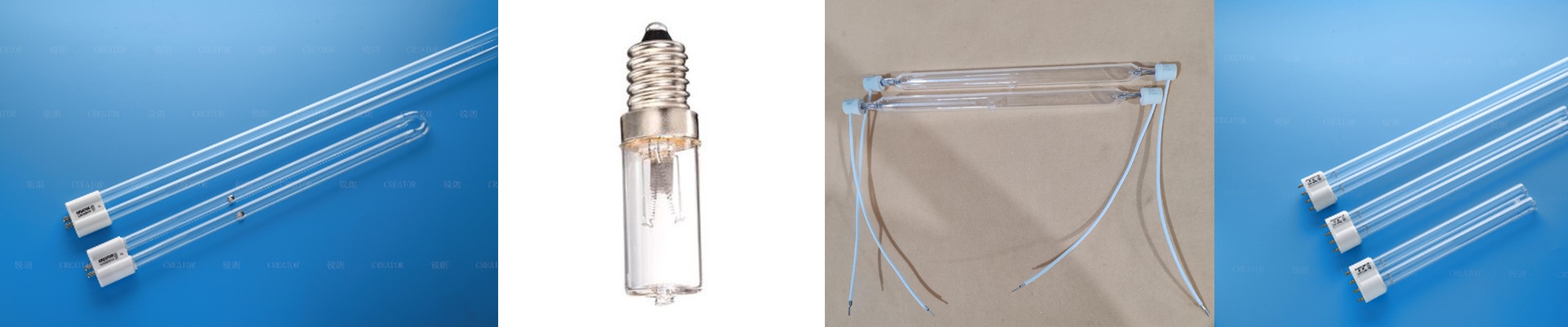
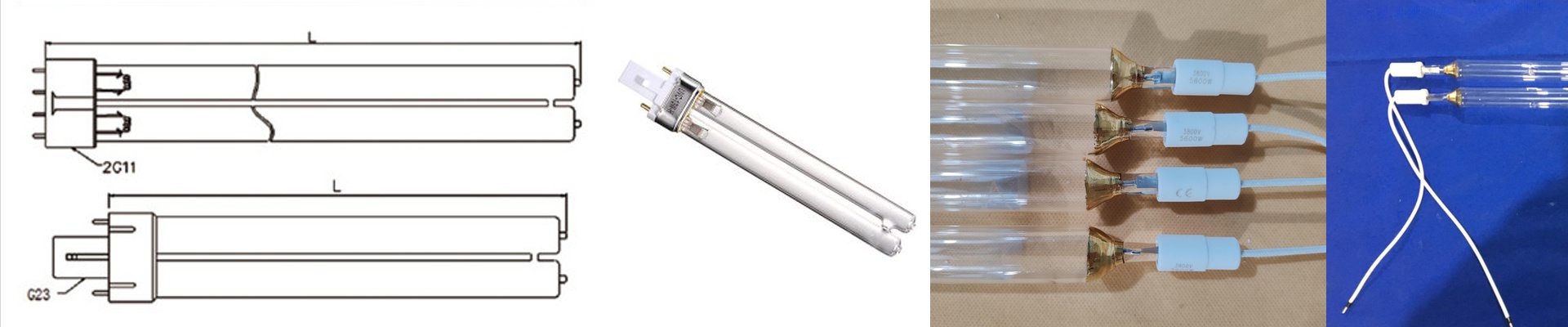
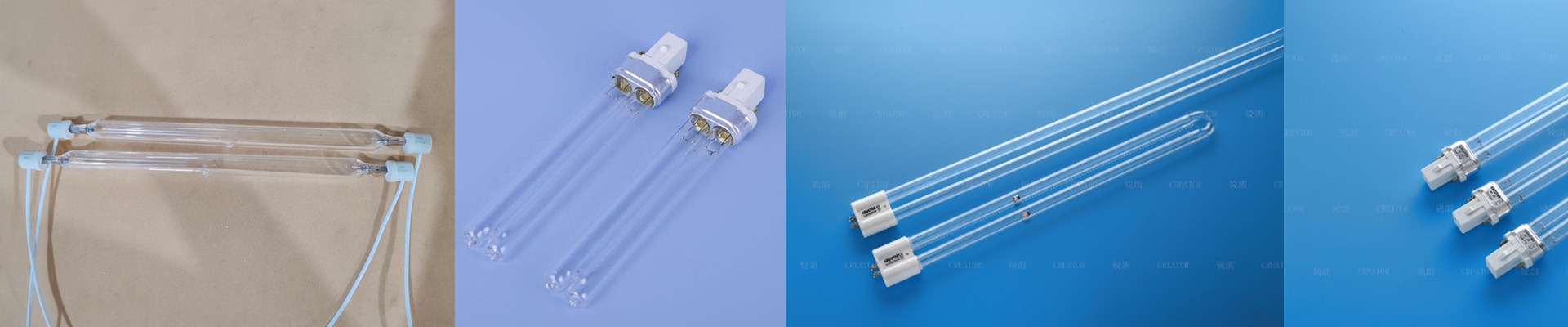
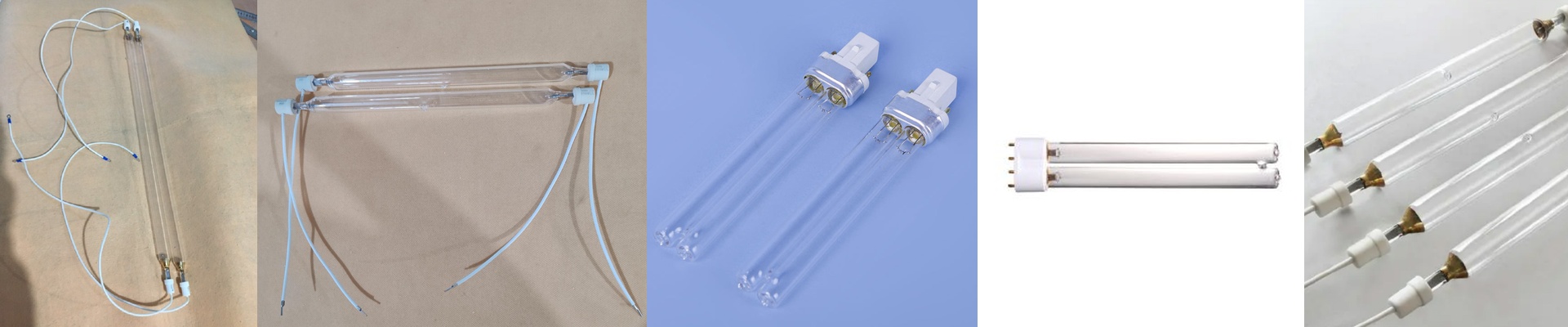
Getting a Handle on Your 80W/cm Mercury UV Lamps
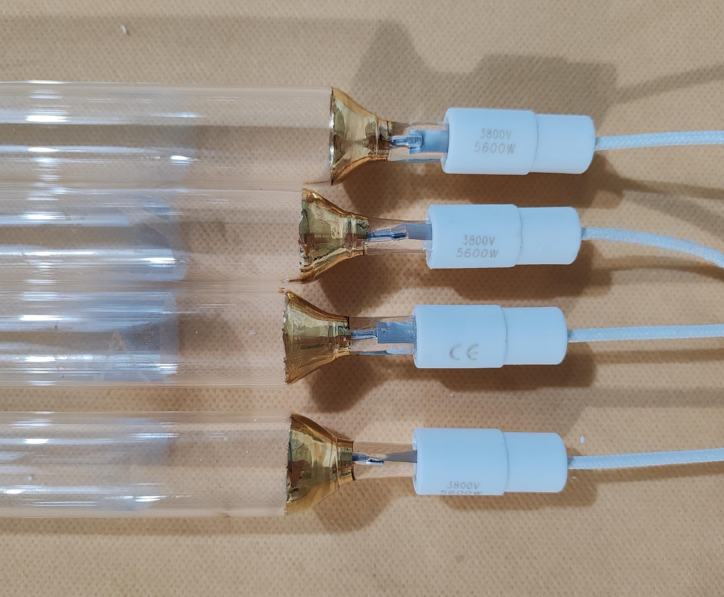
If you’re running industrial curing, you know the 80W/cm mercury lamp. It’s the heavy hitter. We build these for the jobs where you need things to cure now—no waiting around. But let’s be honest: pushing that much power creates a lot of heat. If you don’t have a handle on the thermal load, you’re just asking for trouble.
The Reality of 80W/cm
When you’re pushing 80W/cm, you’re cramming a massive amount of energy into a tiny space. To keep the glass from cracking or clouding over under all that stress, we use high-purity quartz. But here’s the thing: the glass can only do so much. Your cooling system—whether it’s air or water—has to be spot on. If it’s not, your lamps are going to burn out way faster than they should. You just can’t run these things without a solid plan for the heat.
Stop Guessing, Start Monitoring
For a long time, the industry just relied on timers. You’d “set it and forget it” and hope for the best. We’re moving past that. Now, we’re putting remote energy monitoring right into these systems. Instead of guessing when a lamp is getting tired, we use sensors to track the power draw and UV intensity in real-time. It’s a huge relief. You can actually see when the mercury vapor starts to dip. This means you change the lamp because it needs changing, not because a calendar told you to. No more tossing perfectly good lamps in the trash, and no more waking up to find a dead lamp ruined an entire production batch.
The Trade-off
Now, this isn’t just a magic switch. Adding this kind of intelligence means your wiring gets a bit more complex. You’ll need a compatible ballast and a data gateway to get those metrics into your PLC. The lamp itself drops right in, but your infrastructure needs a little love first. Is it worth the effort? Absolutely. You get a clear look at your energy use and, more importantly, you stop the unplanned downtime that kills your margins.