Stop Replacing Your UV Lamps Every Few Months
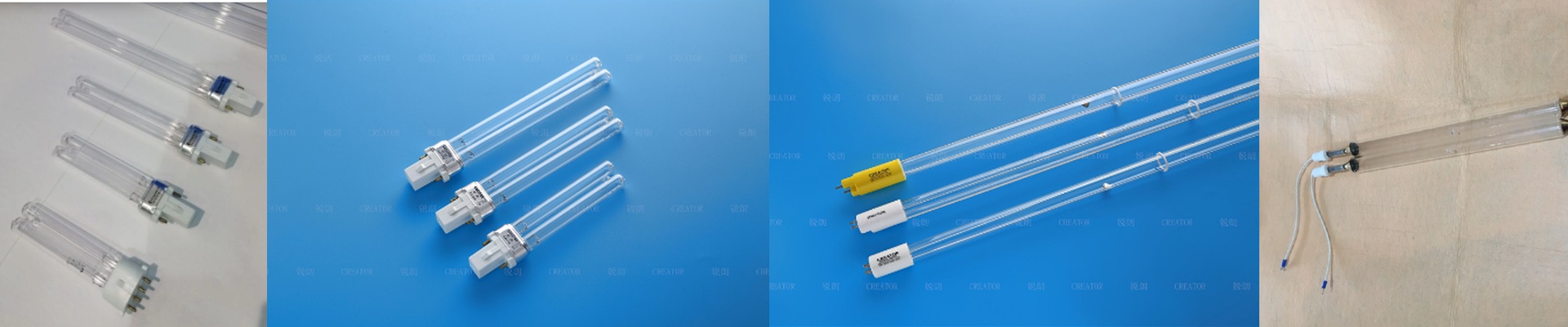
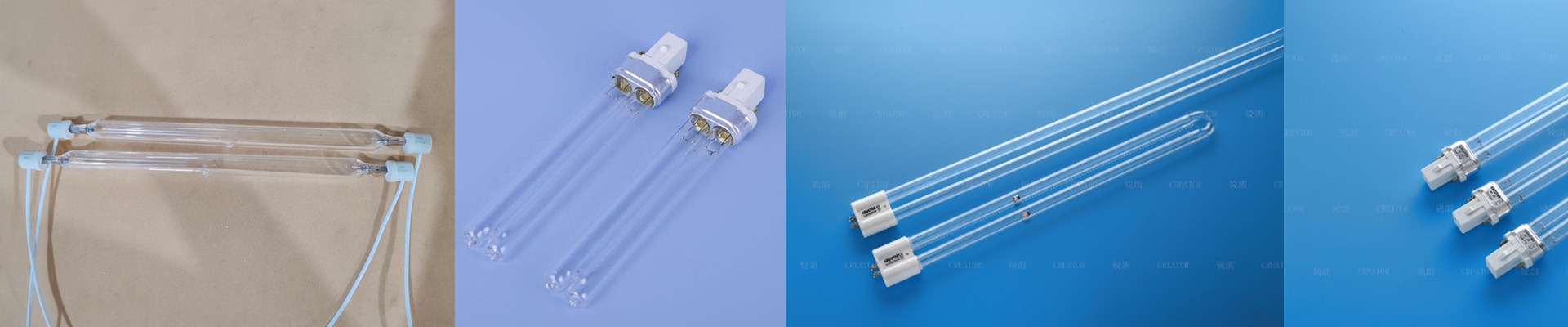
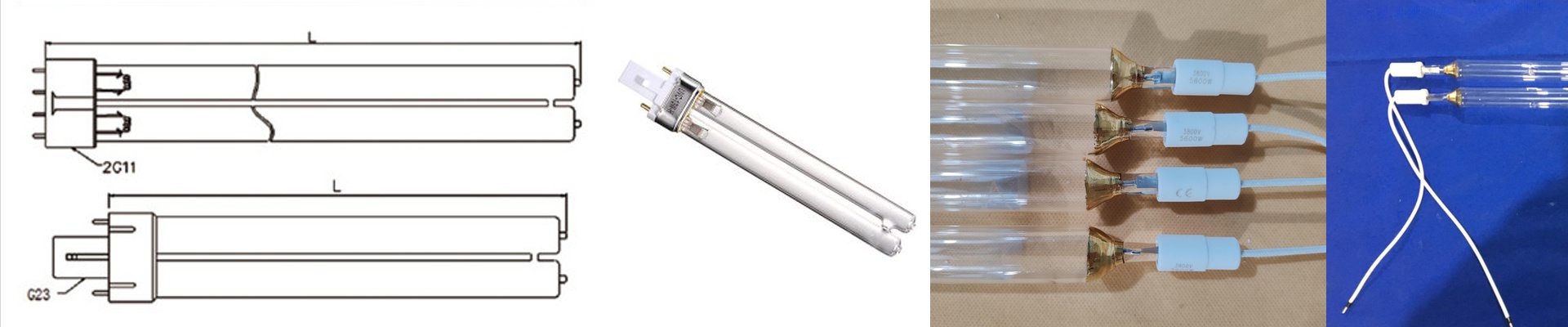
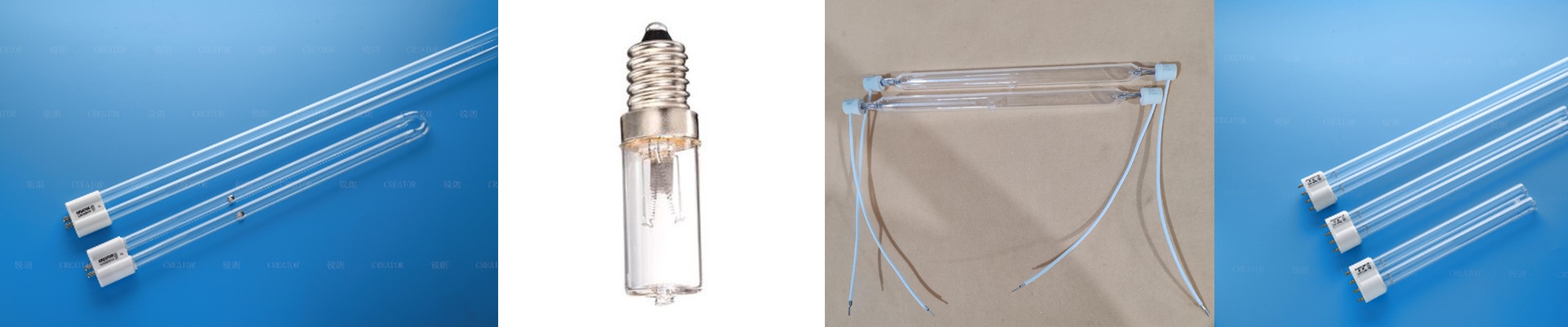
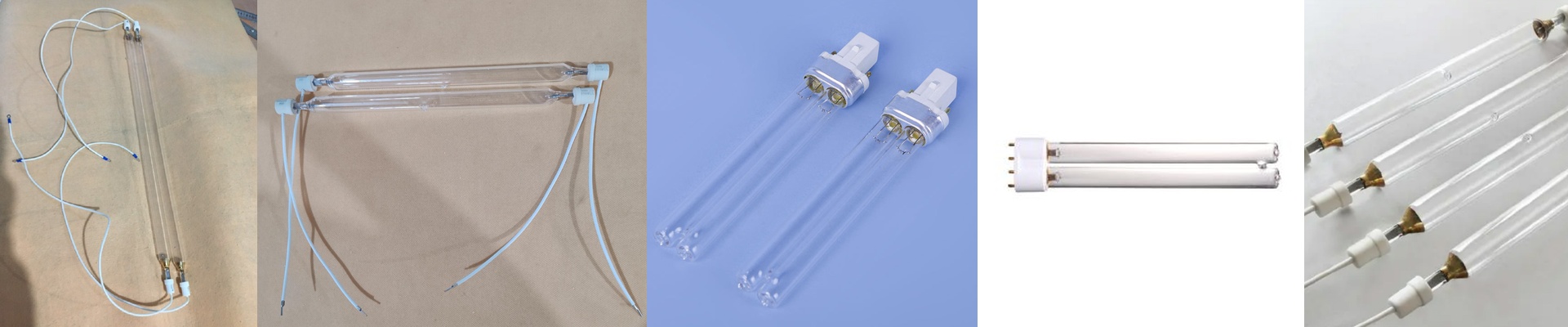
We spent some time at the 2026 Printing Exhibition showing off our custom UV lamp modules. Now, these aren’t your typical off-the-shelf bulbs. We built these specifically for the grind of industrial printing—the constant starting and stopping that usually kills a lamp in a few hundred hours.
Why most tubes just quit
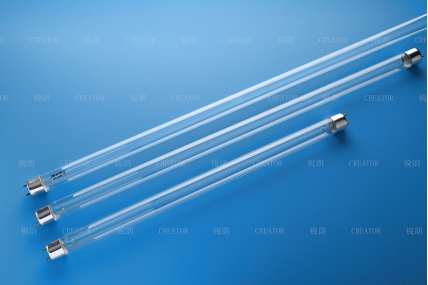
Here’s the deal: most UV tubes fail because the electrodes wear out or the glass gets cloudy. It’s frustrating. To fix that, we use high-purity fused quartz. It keeps the glass clear so the light actually gets through. We also messed around with the mercury vapor pressure and the electrode alloys until we found the sweet spot. The result? A stable UV output across the 200nm to 400nm range. That’s exactly where your photoinitiators do their job.
It’s more than just a bulb
A lamp is only as good as the gear around it. We don’t just hand you a tube and wish you luck. We build the whole module, including the cooling jacket and the reflectors. Mercury lamps getinsanely hot. If your airflow is even slightly off, the tube can warp or the end-caps might leak. That’s a mess nobody wants. We design our modules to fit right into your existing press frames, so you can just drop them in and get back to work.
The honest trade-offs
Look, if you want high-intensity curing for thick inks, you need high wattage. There’s no way around that. But that puts a lot of stress on your power supply. You’ve got to make sure your ballasts match the impedance of the tubes. If you under-power them, you’ll see “dark spots” where the ink didn’t cure. Over-power them, and you’re just paying to burn out your lamp faster. At the show, the engineers weren’t looking for some fancy “solution” or a sales pitch. They just wanted a lamp that doesn’t break their production schedule. We gave them the raw data—output watts, decay rates, and spectral distribution. Because at the end of the day, that’s all that actually matters.