Getting the Wavelength Right: Why Custom UV Actually Matters
Most UV lamps you buy off a shelf are a bit of a gamble. They throw out a broad spectrum of light, which sounds great until you’re dealing with high-precision curing or serious lab work. When the spectrum is too wide, you end up with two big headaches: your materials overheat, or they just don’t cure properly. That’s why we build our lamps from scratch at our facility in China. We don’t guess. We hit specific nanometer targets so the energy goes exactly where it needs to—right into the target molecule—without wasting power on light you don’t even need.
The trick to controlling the light
We do more than just put a filament inside some glass. Our team spends a lot of time obsessing over the gas mix and the electrode materials to shift where that energy peaks. By tweaking the mercury vapor pressure and adding specific dopants to the arc, we can tighten the beam. Think of it like focusing a flashlight into a laser. If you need exactly 254nm for sterilization, or a very specific peak for your photo-initiators, we just adjust the internal chemistry until it’s a perfect match.
Quartz and the trade-off with coatings
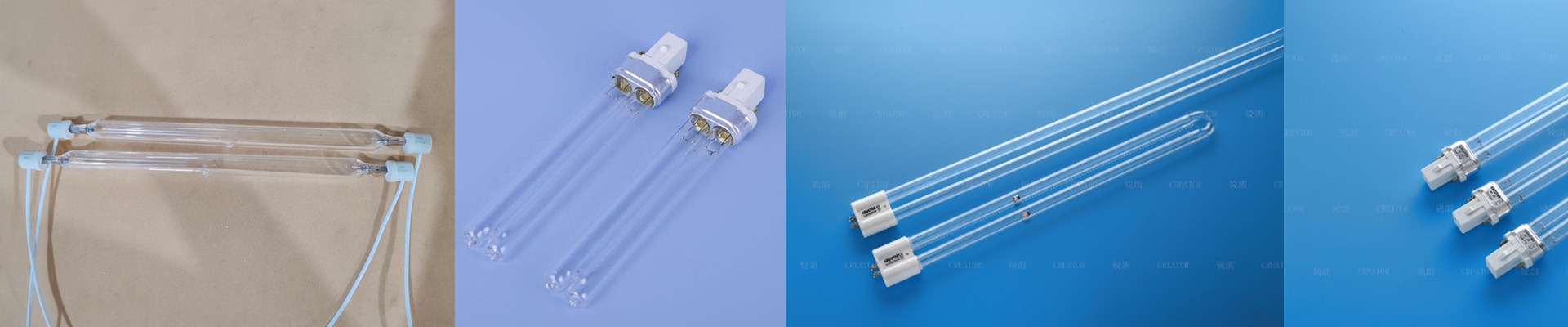
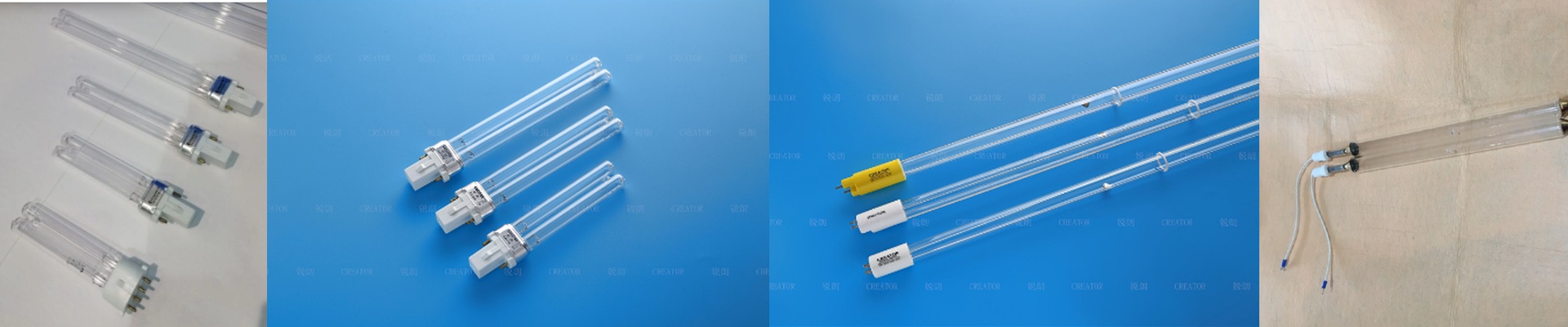
The glass—or “envelope”—is what decides what actually makes it out of the lamp. Standard glass is a wall; it blocks UV. So, we use high-purity synthetic quartz to make sure as much light as possible gets through. Sometimes, you need something even cleaner. In those cases, we apply thin-film dielectric coatings. These act like a filter, blocking the infrared heat (which can ruin a project) while letting the UV slide right through. But here’s the catch: filters cut some of the light. You’re trading raw power for purity. When you’re setting up your line, remember to calculate your exposure time based on that filtered output, not the raw wattage on the box.
Making it fit your setup
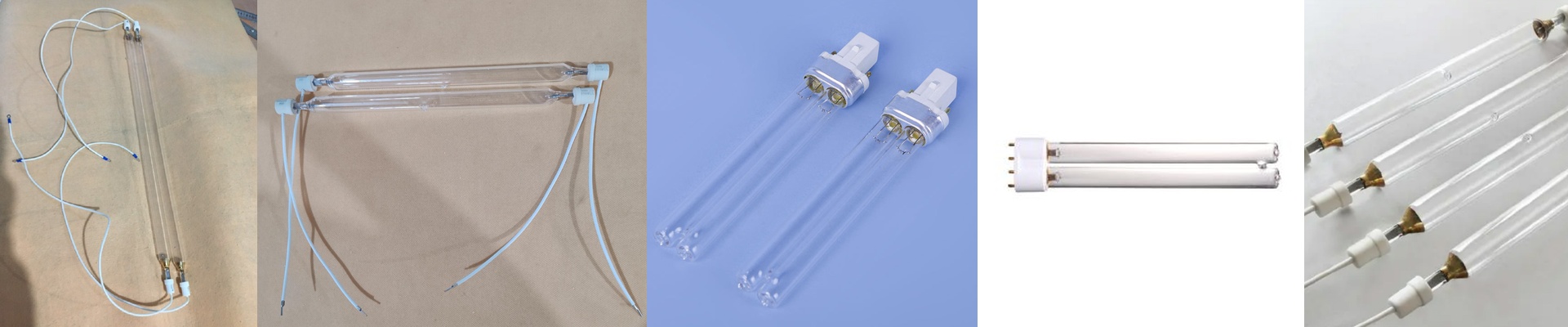
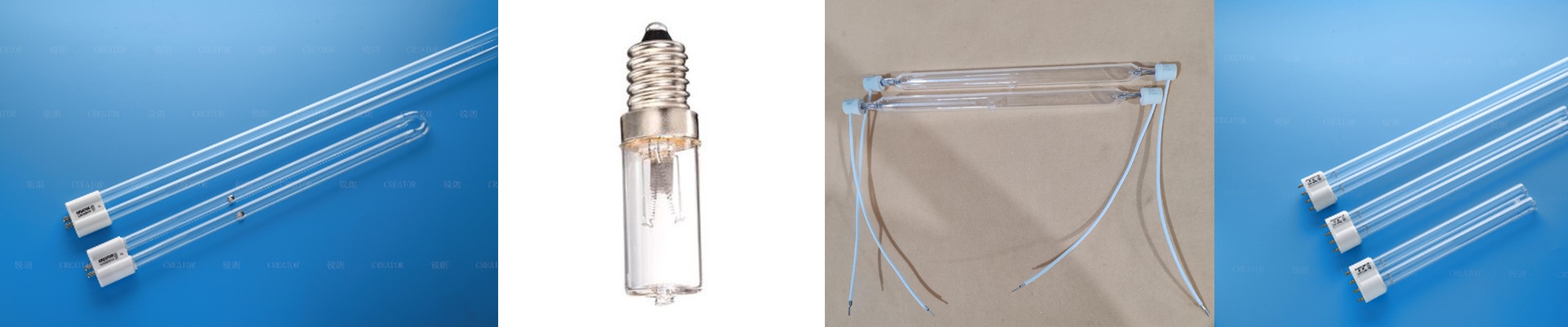
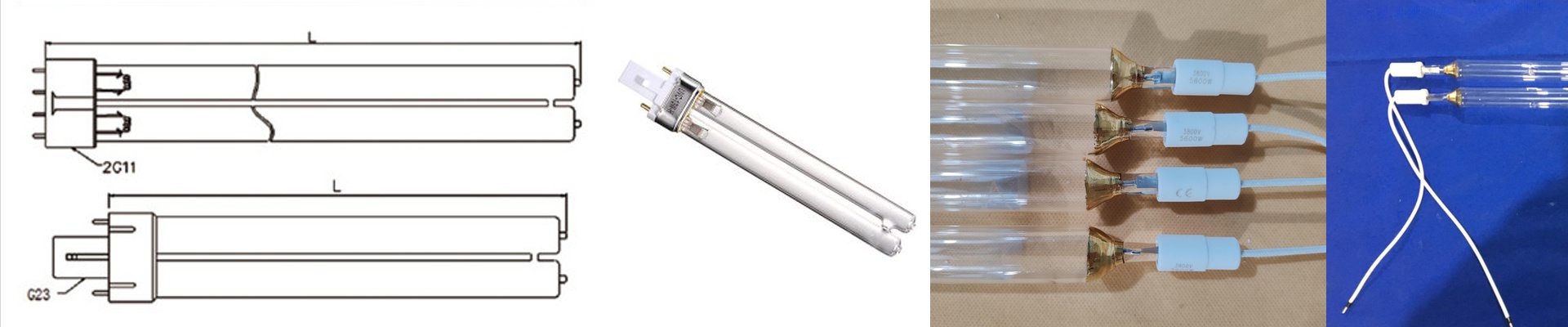
There’s nothing worse than getting a high-tech lamp that doesn’t actually fit your rig. We handle the boring stuff—the pinch-seal dimensions, the lead-wire lengths—so the lamp is a simple drop-in replacement. We also test every single batch for spectral drift. It sounds like a small detail, but it’s everything. If your wavelength shifts by even 5nm, your curing cycle fails. Your whole line stops. We keep the tolerances tight so you can just turn it on and get back to work.