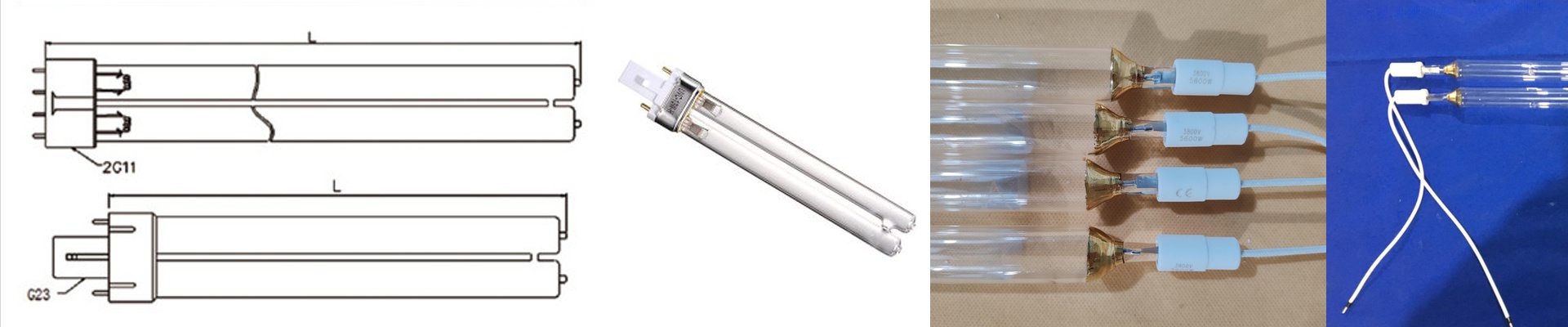
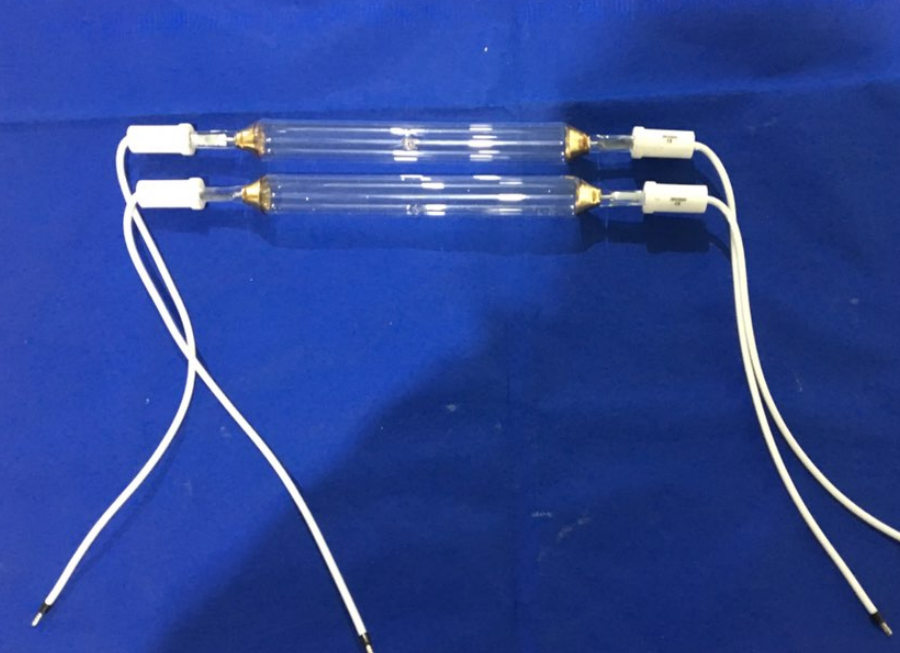
The Fight for 0.5%
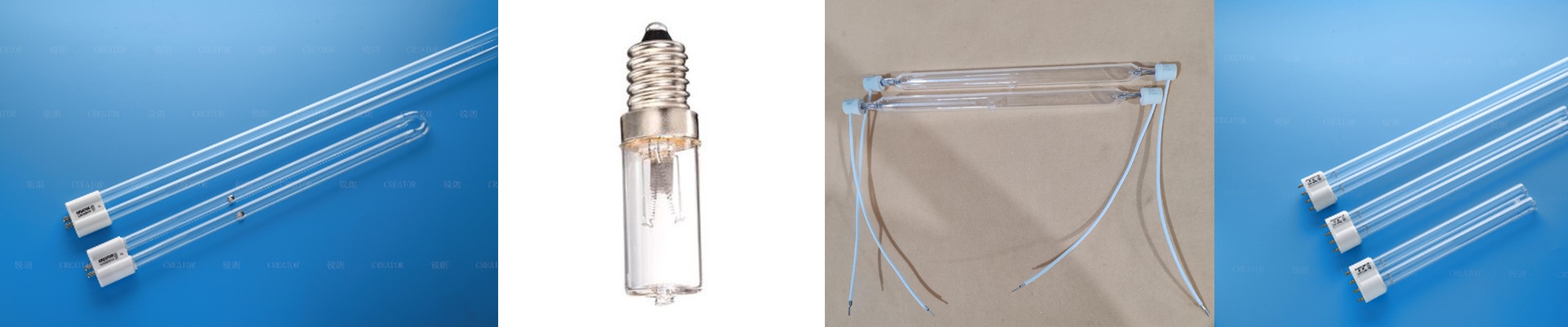
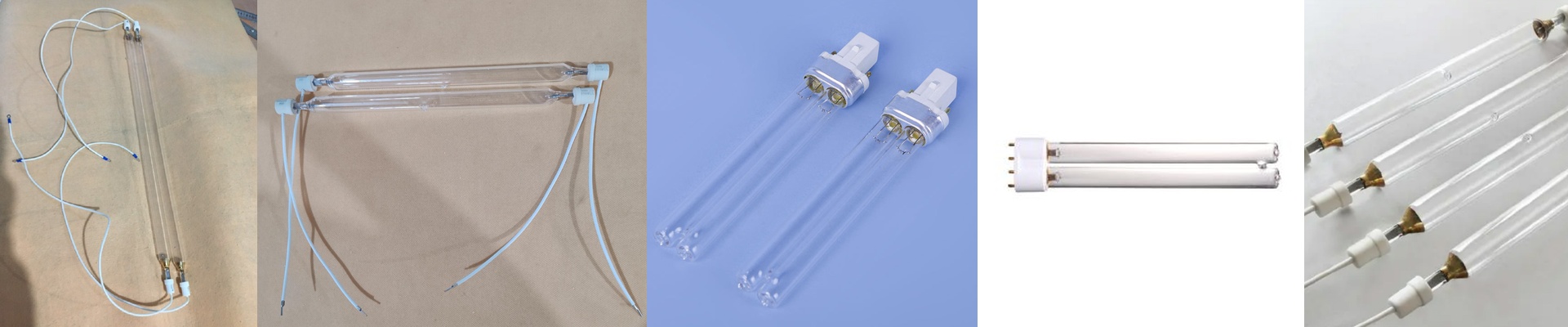
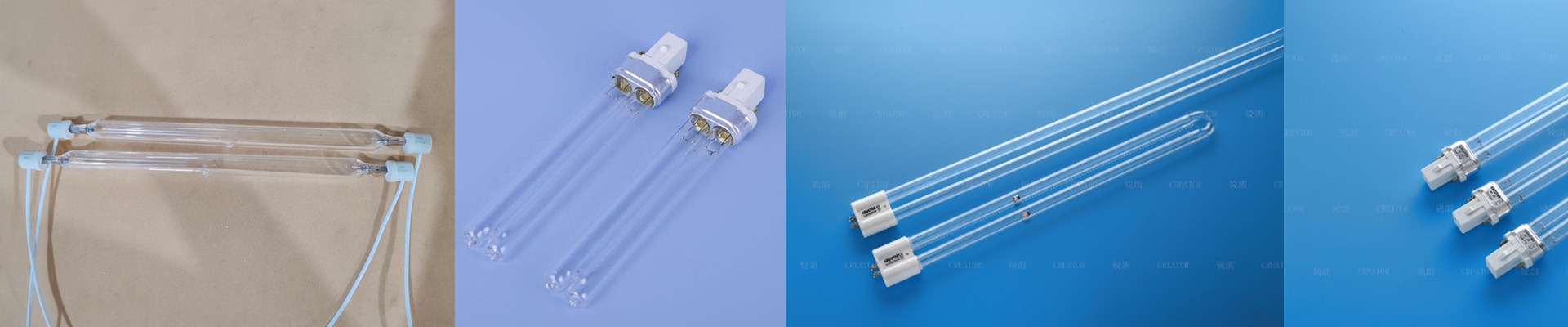
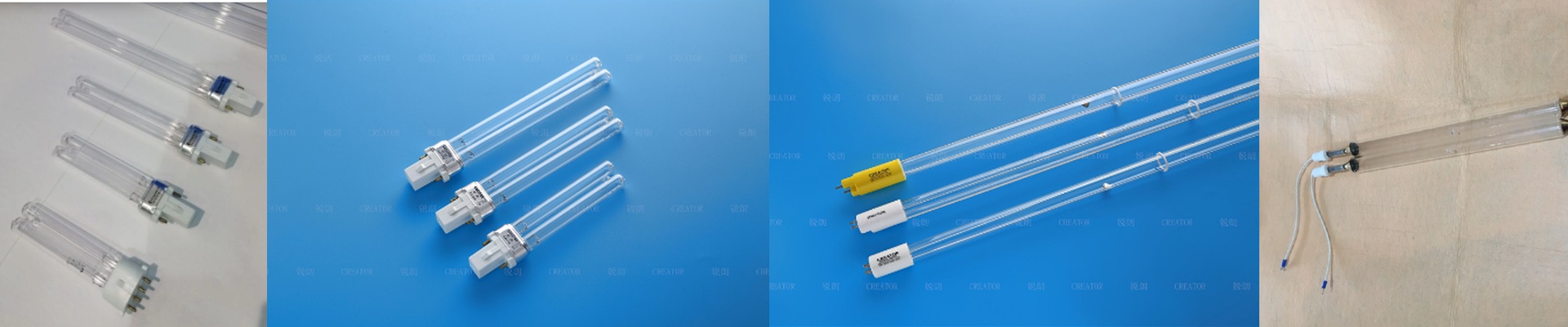
Most UV lamp makers are fine with a broad spectral band. They just let it be. We decided to spend our last development cycle fighting for something much tighter: a 0.5% energy concentration window. This isn’t some marketing spin. It’s just basic physics. When you tighten that output, you stop throwing away energy on wavelengths that your substrate simply won’t absorb. You’re putting the power exactly where it actually does something.
Getting the physics right
Hitting that 0.5% window is a nightmare to calibrate. We had to obsess over the gas mixture and the electrode geometry, constantly tweaking the argon-to-mercury ratios and the tube diameter just to shift the peak intensity. Here’s the tricky part: if the pressure inside that quartz envelope moves by a fraction, your peak shifts. It’s gone. We spent a long time locking this down so the energy hits the photo-initiator trigger point every single time.
Dealing with the heat
There’s a catch, though. When you cram all that energy into one specific wavelength, things get hot. Really hot. You’re going to notice higher surface temperatures on the quartz wall than you would with a standard lamp. Because of that, your cooling manifolds need to be up to the task. If your airflow dips, the quartz stresses. That’s how you get a premature burnout. We used high-purity fused quartz to push the thermal ceiling as high as possible, but honestly? The battle is won or lost in your cooling system.
The trade-offs
We made these as drop-in replacements. You can wire them straight into your current ballasts and you’ll immediately feel the difference in curing speed. It just moves faster. But that precision comes at a price. To keep that 0.5% tolerance, we have to toss any tube that drifts even slightly. Our scrap rate went up. It’s a cost we’re willing to take, because for the engineer on the floor, it means way less waste and a production line that actually keeps moving.