Getting UV Curing Right in Your Textile Line
Most people think UV lamps are just for drying ink. But in a textile plant? They’re the secret sauce. From the very first fiber treatment to the final touch on a garment, these lamps trigger the chemical reactions—the “cross-linking”—that actually make your resins, dyes, and coatings stick.
The Wavelength Headache
Here’s the thing: not all UV light is created equal. Depending on where you are in production, you need a specific wavelength. If you’re sizing or coating fabric and your wavelength is off by just a few nanometers, you run into a nightmare called “surface cure.” That’s when the top looks dry and hard, but the bottom is still tacky. It leads to peeling or fabrics sticking together in the roll.**It’s a mess.**To stop that, we tweak the gas fill and the electrode geometry so the light hits the fabric evenly across the entire width. No dead spots.
Heat vs. Speed
High-wattage lamps get hot. Really hot. When you crank up the intensity to speed up your line, you’re playing a dangerous game with your fabric. Too much heat and you’ll start scorching or shrinking the material. You have to find that sweet spot between the UV dosage and the thermal load. We usually fix this with custom reflectors or air-cooling jackets. The goal is to strip away the infrared heat while keeping the UV power high. If your cooling isn’t up to the task, you aren’t just risking the fabric—you’re going to burn out your bulbs way too fast.
Making it Work in the Real World
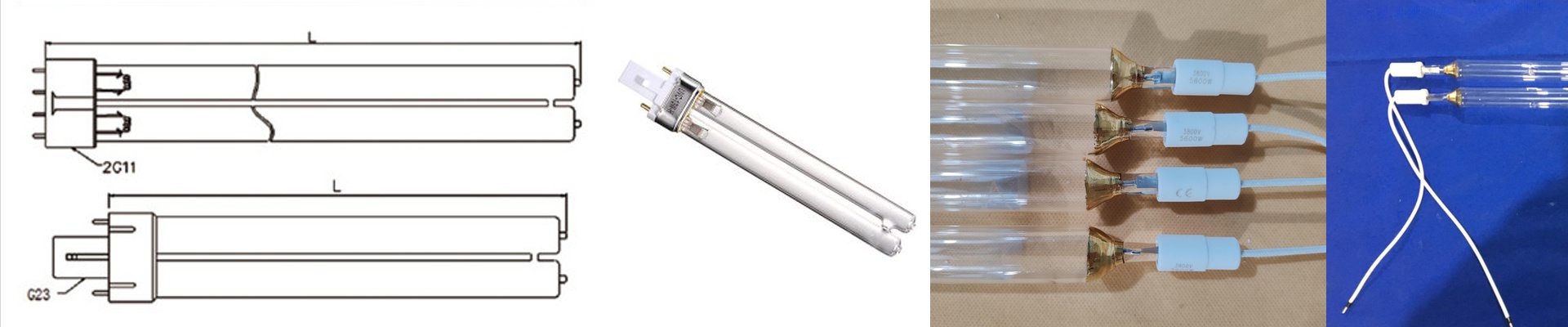
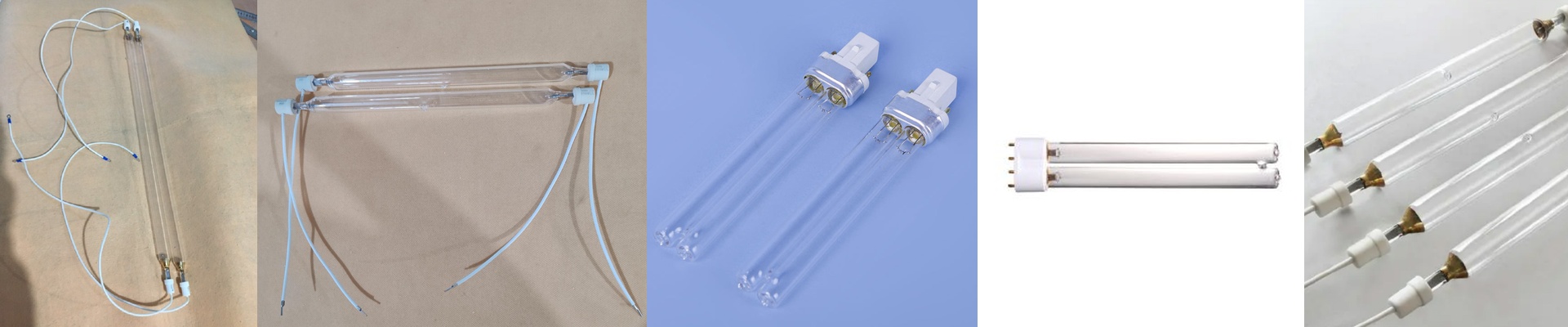
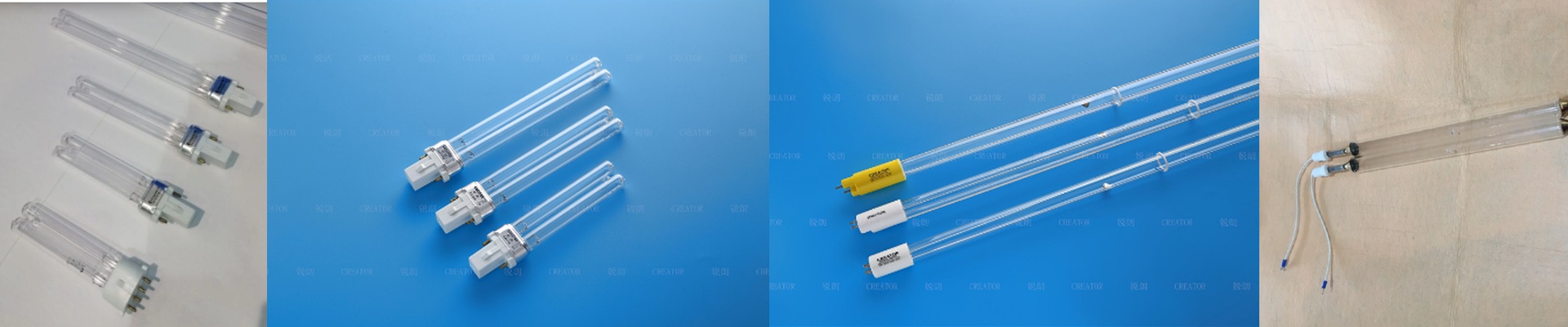
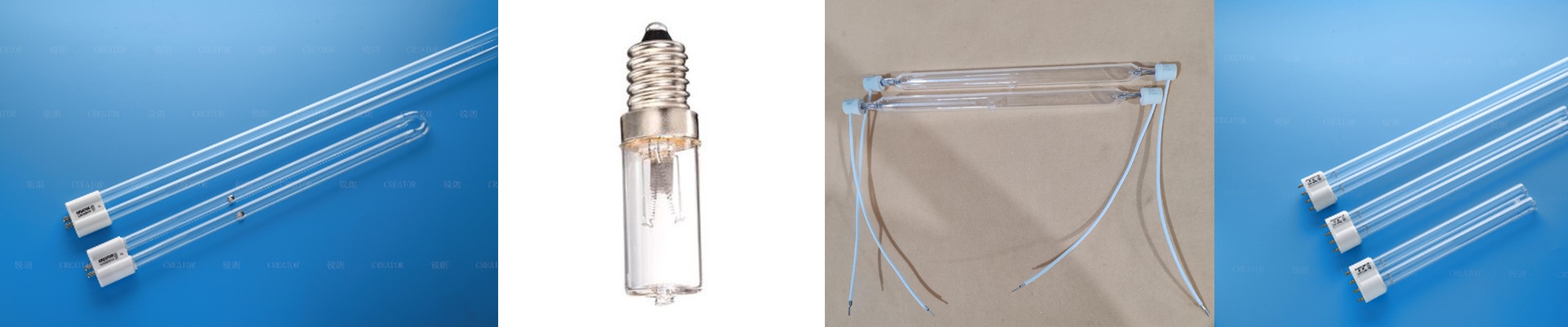
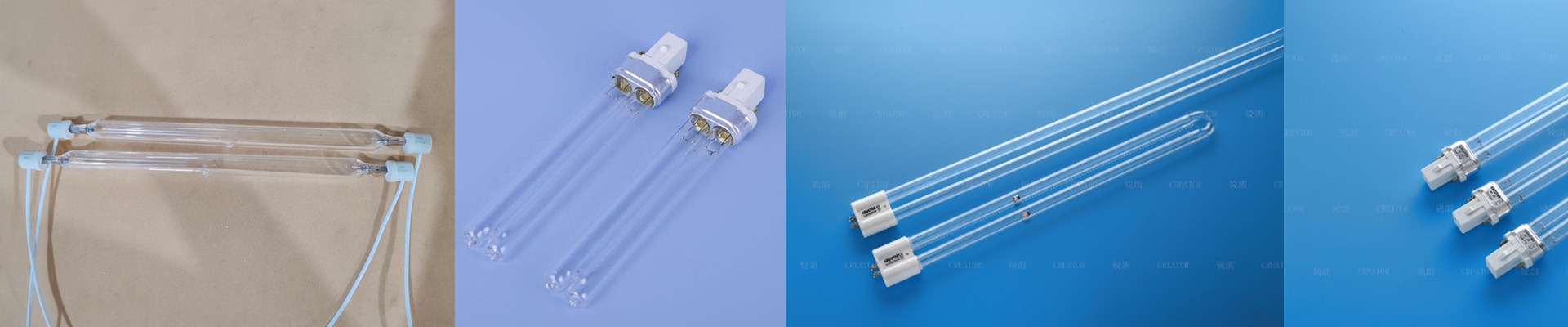
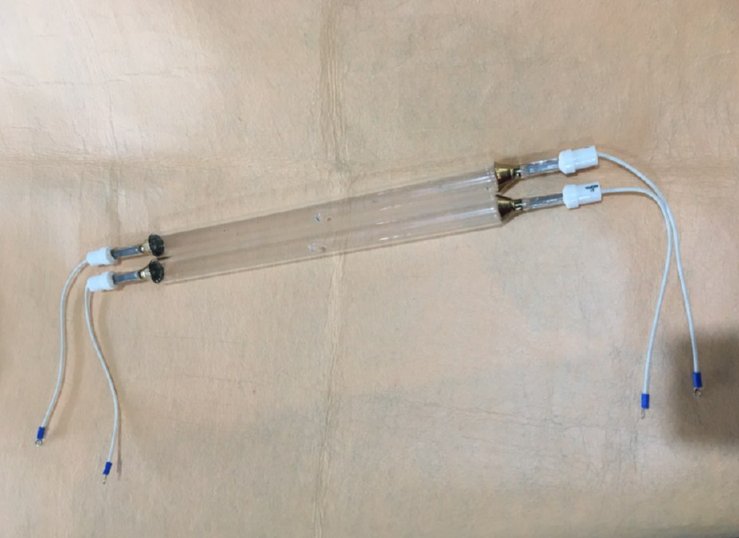
We can build these as simple drop-in replacements or totally custom arrays. The setup usually comes down to how fast your conveyor is moving. If you’re running a high-speed line, you either need more lamps or more power to keep the cure rate steady. And since these machines run 24/7, we use ruggedized connectors. Vibration is a silent killer in these plants, and the last thing you need is a loose wire shutting you down mid-shift. One last tip: keep a close eye on your lamp hours. Once the output dips, your bond strength fails. That’s when your reject rate spikes, and suddenly you’re staring at a pile of wasted garments.