
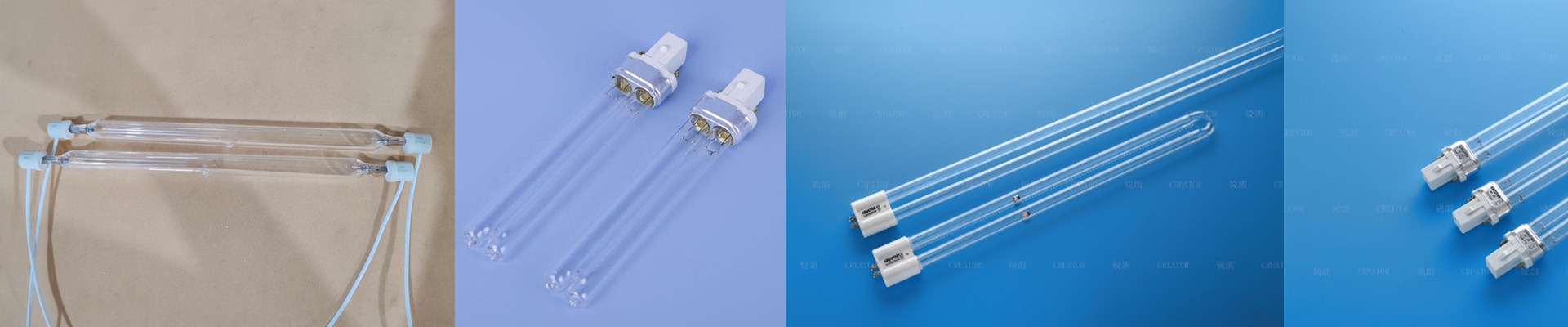


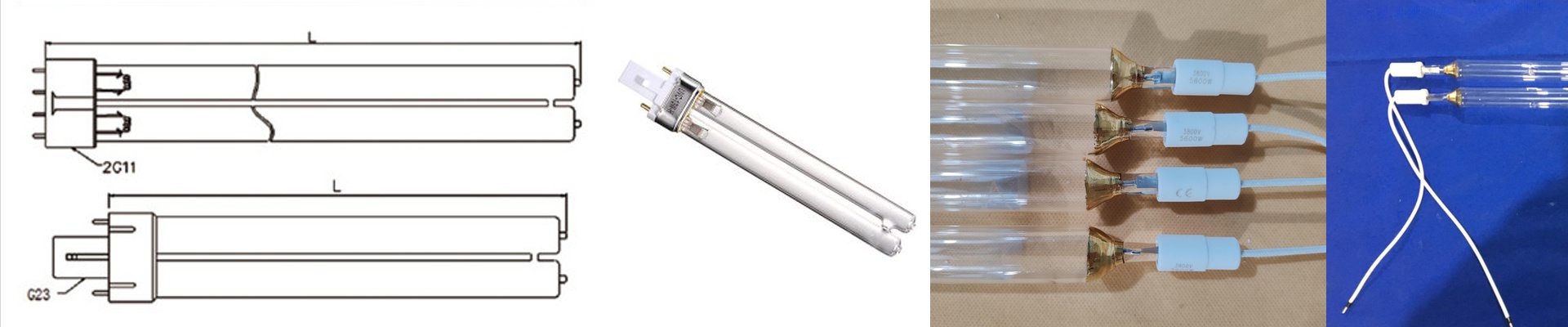

Getting UV Curing Right: The Truth About Quartz Lamp Tubes
If you’ve ever worked with inks and coatings, you know the drill. You need that UV energy to hit the surface just right to trigger the chemistry and set the ink. It sounds simple, but the heat involved is brutal. That’s where our quartz tubes come in. We build them to take the heat so your production line doesn’t have to. Why quartz? Well, standard glass is basically a wall—it blocks UV radiation. Quartz is different. It lets the light through while handling temperatures that would make regular glass shatter. We specifically design these to handle “thermal shock.” Think about when you flip the switch on a printing press. The jump from cold to scorching hot happens in an instant. Our tubes don’t crack under that pressure. The balancing act: Power vs. Heat Here’s the thing about wattage. If you’re running thick ink layers, you need high-wattage tubes to get the job done fast. It’s great for your line speed. But there’s a catch. High power means high heat. If your cooling fans are dusty or your water-jackets aren’t quite right, you’re asking for trouble. You might end up scorching your substrate or, worse, burning out the lamp ends way before their time. It’s all about finding that sweet spot. Built for the grind These lamps live in 24/7 production environments. They take a beating. To stop the dreaded “arc failure,” we obsess over the electrode integrity. We also make sure the quartz wall is perfectly uniform. Why? Because a tiny thin spot creates a “hot spot,” and a hot spot is usually where a tube ruptures. We make them as simple “drop-in” replacements, so you aren’t spending half your shift fiddling with the installation. Real-world results In a busy print shop, these lamps are what allow the ink to snap-cure the second it hits the light. No more waiting around for massive drying ovens. It clears up a ton of floor space. Plus, we sell these in wholesale sets. That way, every lamp in your system is matched. You get the same intensity across the whole width of the cure, meaning no weird streaks or uncured patches on your final product. Just clean, consistent work.