


Why Your UV Lamps Keep Dying (and How We Fixed It)
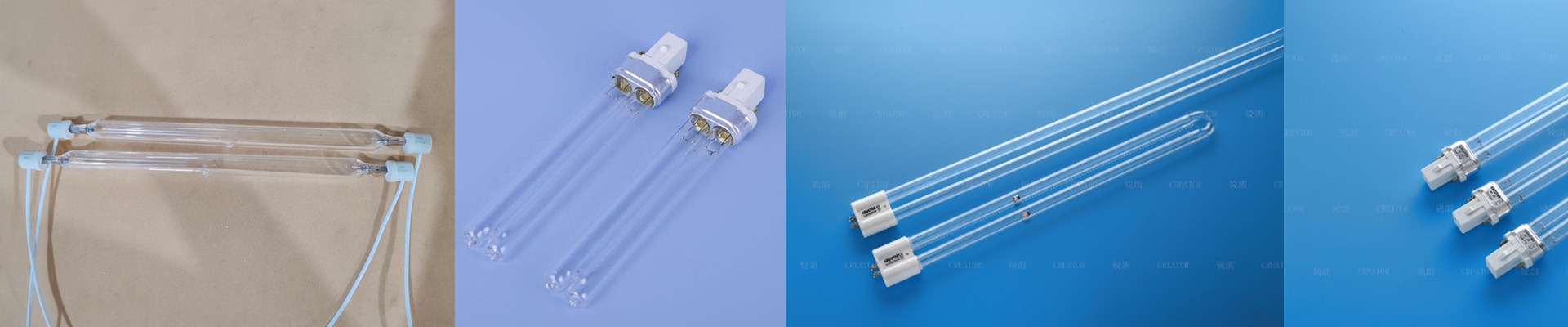
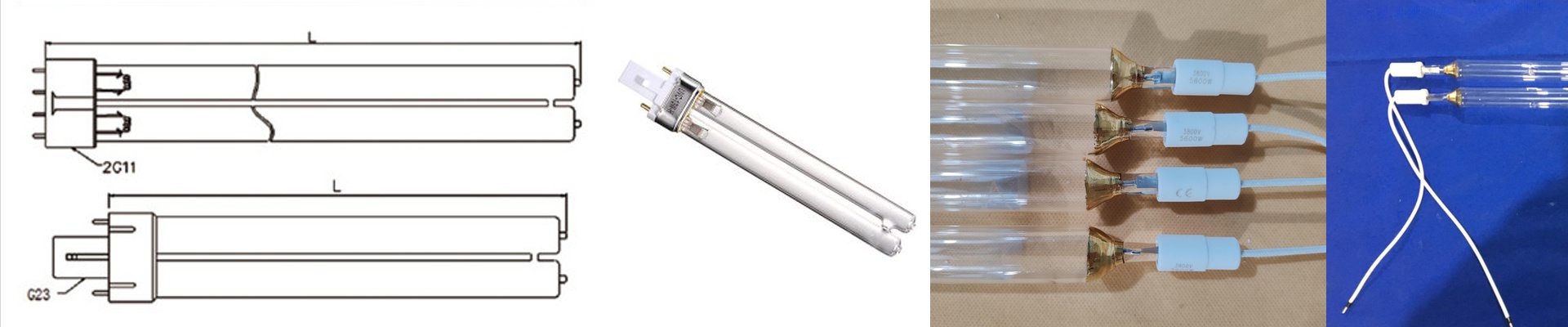
We spent some time visiting about 3,000 different printing plants. We wanted to see where things actually go wrong on the floor. What we found was pretty simple: most off-the-shelf tubes just aren’t built for the brutal heat of a continuous production line. They’re designed for general lighting, not the high-intensity curing you need when the press is screaming. So, we changed how we think about the design. The glass matters more than you think. We use high-purity fused quartz. Why? Because standard glass is basically a wall that blocks UV radiation. It absorbs that energy as heat, which makes the tube wall stressed and prone to cracking when the temperature jumps up and down. Quartz lets that shortwave UV light fly right through. But here’s the thing: you’ve got to match your wattage to your line speed. If you’re running a high-speed press with low-wattage tubes, your ink isn’t going to cure by the time the sheet hits the stacker. That’s a mess nobody wants to clean up. We build our tubes to put out the maximum amount of energy per centimeter. Dealing with the heat High-output lamps get hot. Really hot. While we push the wattage to get you faster curing, it puts a lot of pressure on your cooling system. If your reflectors are caked in grime or your blowers are tired, the tube is going to burn out way too soon. We also spent a lot of time tweaking the electrode geometry. We wanted to stop “sputtering”—that annoying buildup that clouds the inside of the tube. By keeping the glass clear longer, you aren’t swapping out lamps every five minutes. Plus, we made them drop-in replacements, so they fit right into your existing racks without any fuss. Real-world survival Printing shops are loud, they vibrate, and they’re full of chemical fumes. It’s a tough place for electronics. We built our connections to take a beating. Just a heads-up: keep your voltage stable. A sudden spike can fry the electrodes instantly. It’s a quick way to kill a perfectly good lamp. One last tip: buy your tubes in wholesale batches. If you mix and match tubes from different production lots in the same array, you’ll get uneven curing. You’ll end up with those ugly “zebra stripes” on your final prints. Keeping a stock of matched batches keeps everything looking smooth.