

Getting UV Lamps Right in Your Textile Line
Think of UV lamps as the silent workhorses of the factory. From the moment raw fabric hits the line to the second it’s packed as a finished garment, these lights are doing the heavy lifting. They’re what trigger the magic that turns wet inks and sticky adhesives into rock-solid, durable finishes in a matter of seconds.
The Nitty-Gritty on Specs
When you’re looking for a replacement, don’t just buy “a light.” You need the right wavelength. Usually, that means 254nm if you’re sterilizing or 365nm if you’re curing. Here’s the thing: it’s all about the wattage per inch. If that doesn’t line up with your conveyor speed, you’re in trouble. I’ve seen it happen too often—someone drops the wattage or uses a lamp with a worn-out phosphor coating, and suddenly the ink starts peeling or the fabric feels stiff and weird. That’s “under-cure,” and it’s a nightmare for quality control.
Swapping Them Out Without the Headache
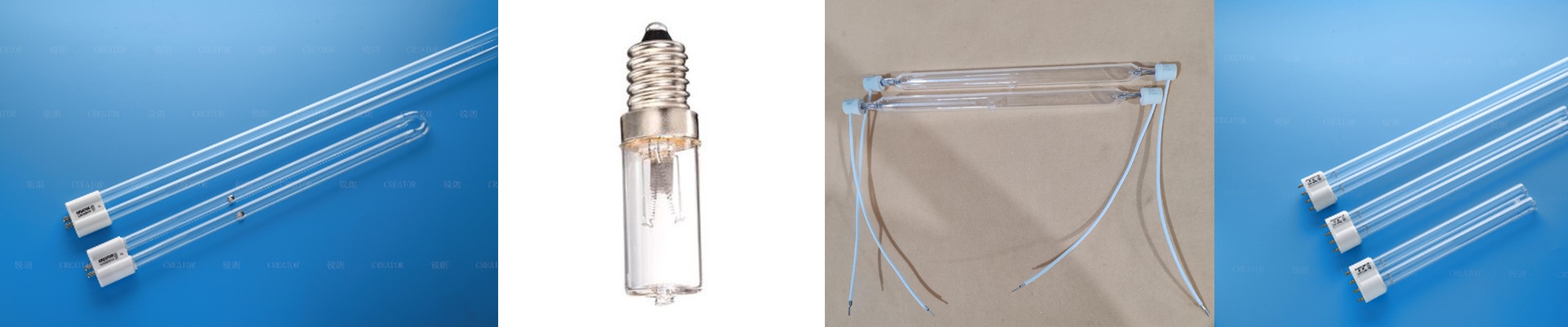
Nobody wants their line sitting idle for hours. That’s why we make these drop-in replacements. We stick to standard G10t5 or specialized screw-in bases so the electrical connection stays tight, even when the machines are vibrating like crazy. But keep an eye on the glass. We use high-purity fused quartz because it stops the tube from “solarizing.” You know that annoying brown tint that creeps into old tubes? That’s the glass blocking the UV output. High-purity quartz keeps that from happening.
Real Talk: The Shop Floor
It’s a balancing act. High-output UV lamps put out a lot of infrared heat, and that can be dangerous. If you crank the wattage just to speed up your line, you might actually scorch your synthetic fabrics. Not a great look. Plus, you’ve got to keep things clean. A dusty reflector can kill your efficiency by 30%. It’s frustrating because you’ll have a brand-new lamp performing like a relic just because of some grime. So, wire it up, double-check your ballast voltage, and keep a close eye on the fabric temperature. It’s the only way to make sure you don’t ruin the whole batch.