


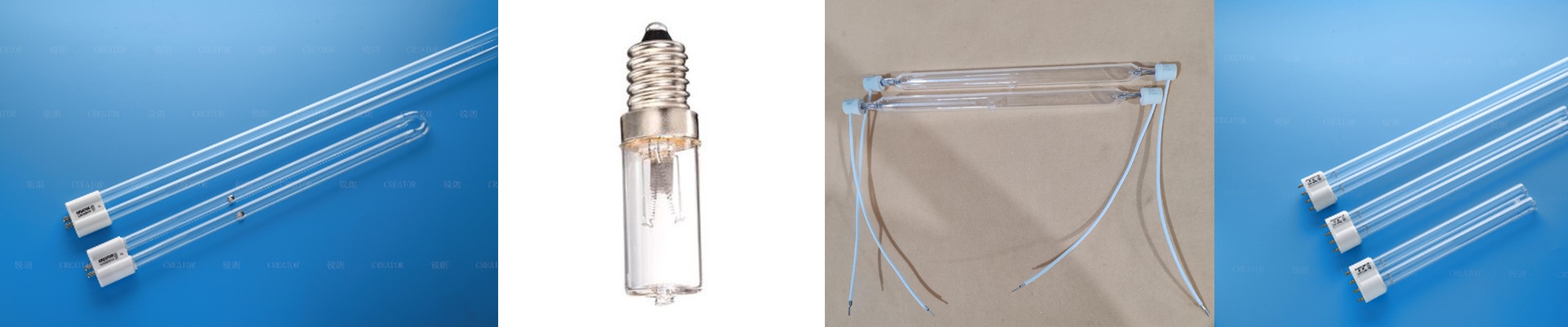
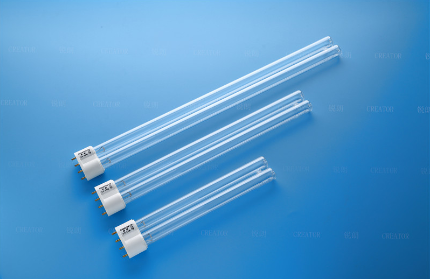
Making UV Germicidal Lamps That Actually Save Energy
Here is the deal with UV germicidal lamps: they work by hitting microorganisms with UVC radiation (usually at 253.7 nm) to scramble their DNA. When we build these, we’re basically playing a balancing act. We want as much power as possible hitting the surface—those microwatts per square centimeter—without just dumping electricity into the room as wasted heat.
The Nitty-Gritty of Power
Saving energy here isn’t about just turning down the wattage. That doesn’t help anyone. It’s really about making sure more of that electricity actually turns into UVC photons. That’s why we use high-purity synthetic quartz glass. If the glass is cheap or full of impurities, it just sucks up the UV light and turns it into heat. Then you’re stuck running the lamp hotter just to get the job done, which kills your electrodes way faster. We also tweak the voltage and current to fit your specific ballast. If they don’t match, you get that annoying flicker and a shorter lamp life. We spend a lot of time calibrating the arc discharge to keep the plasma column stable. It stops that “end-blackening” effect where the electrodes gunk up and block the light from getting out.
Real-World Use and the Trade-offs
These lamps are designed to slide right into your existing HVAC, water treatment, or surface setups. They work great. But a word of caution: high intensity is a double-edged sword. If you’re pumping out a massive UV dose, keep an eye on your plastics and seals. If your housing isn’t UV-resistant, those parts will get brittle and crack in a few months. It’s a headache you don’t want. We’re confident in how we build these. If our custom lamps don’t hit the same sterilization or curing marks as the big-name brands—at the same price—we’ll give you your money back. We care about the actual output data, not the fancy marketing brochures.