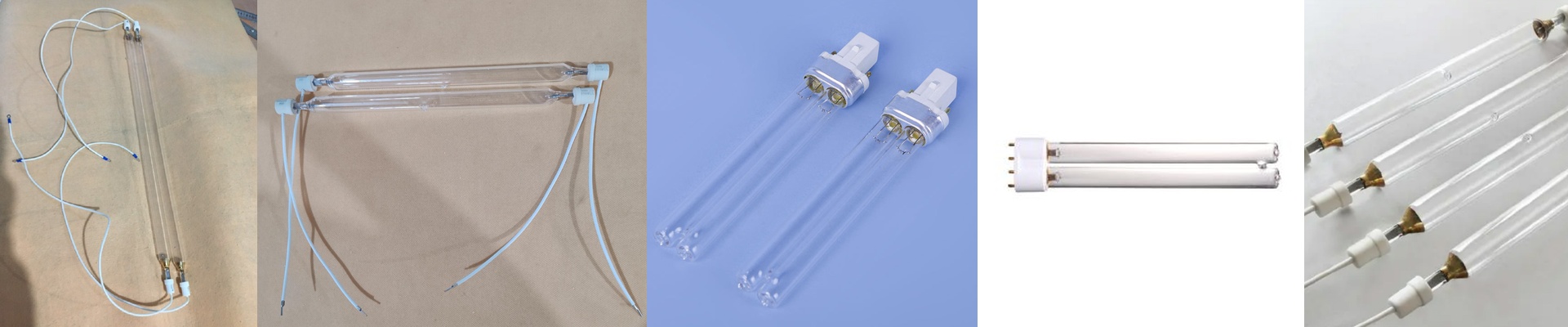
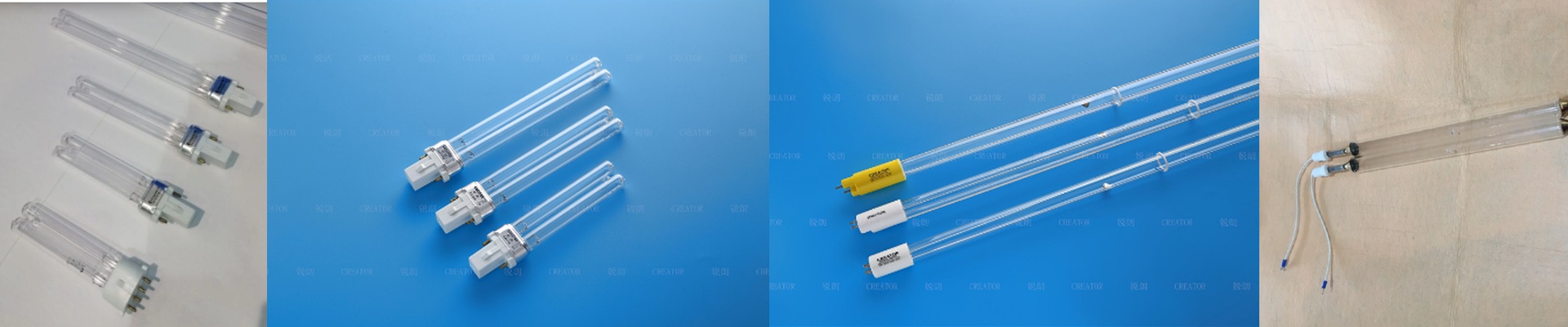
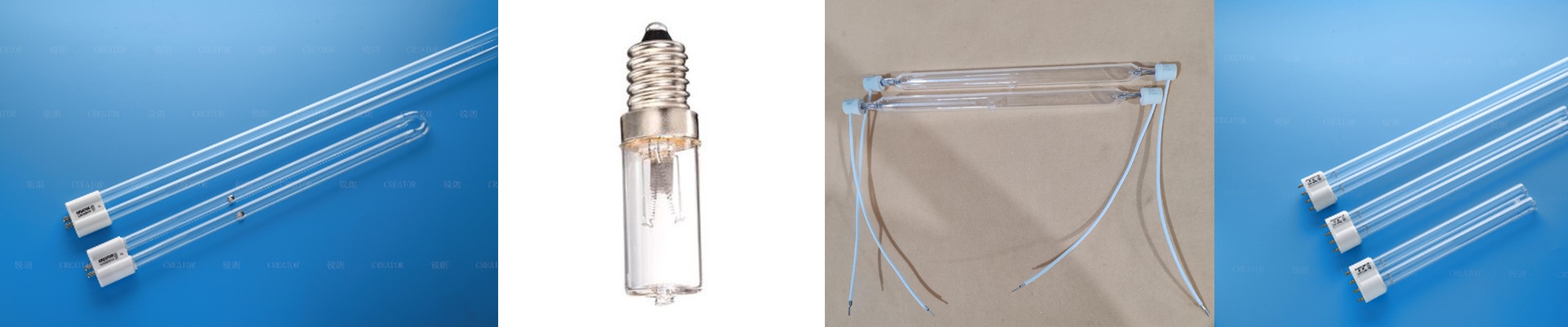
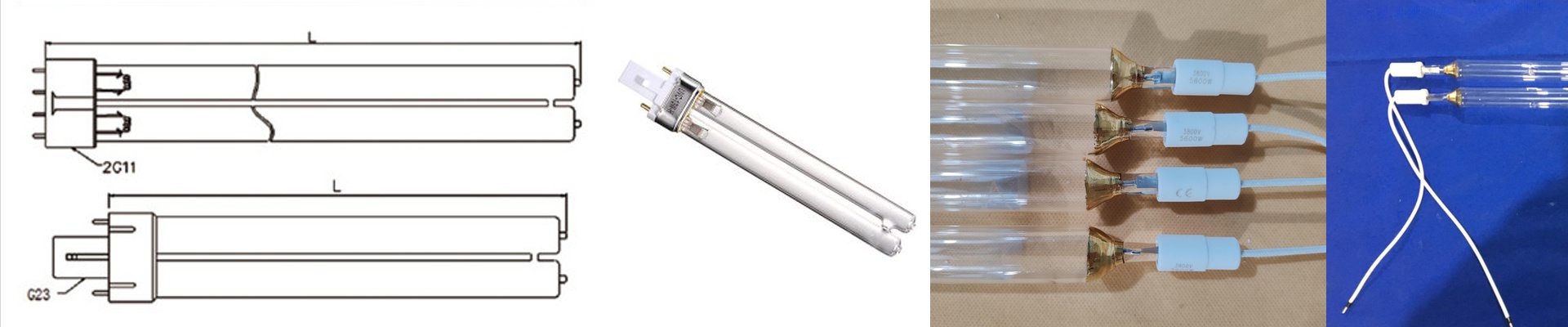
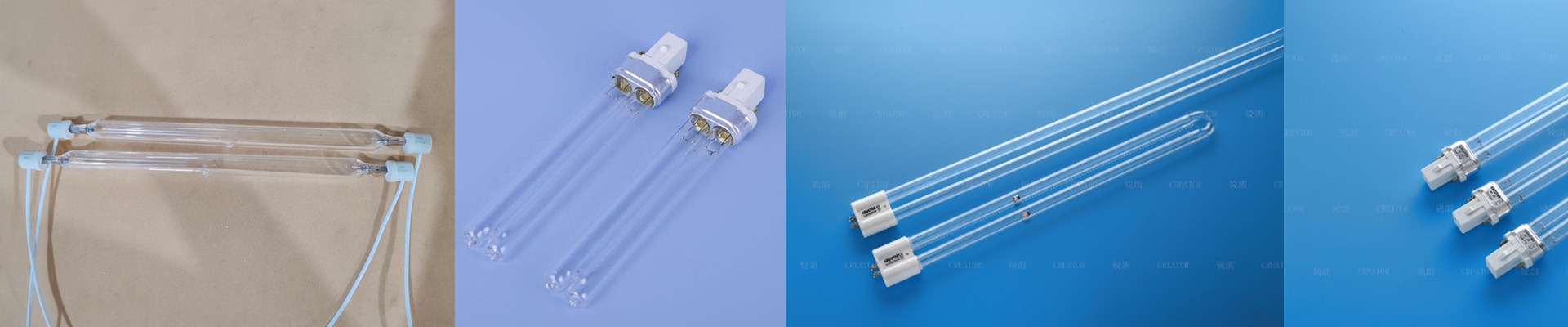
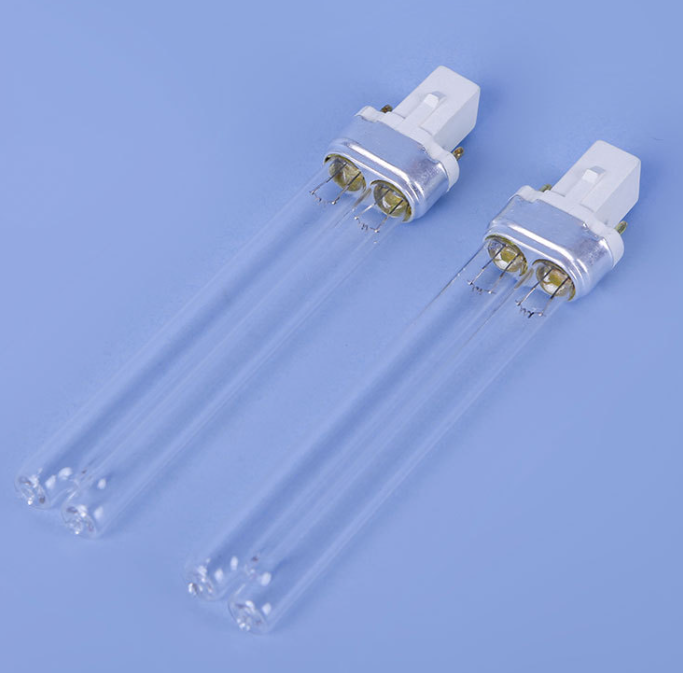
On the export line, customs and compliance don’t care whether your curing lamp is warmed up. If your UV system isn’t CE-marked, every unit turns into a paperwork and risk headache—delays, re-testing, and surprise fees that stack up shipment after shipment. We build our entire industrial printing UV lamp line with CE from the chassis up, so you can specify, install, and ship with the documentation needed for faster clearance. What matters, technically Wattage alone doesn’t pick the right lamp. You’re really shopping spectral output, peak irradiance, and delivered energy density. For standard UV mercury vapor lamps in offset, flexo, and screen curing, the dominant line is at 365 nm, with additional lines at 313 nm and 405 nm that hit the photoinitiators in many ink formulations. Match the lamp to a dichroic-coated reflector tuned to your ink chemistry, and you get more photons where they count—on the substrate—not just more lamp power. Specify quartz envelopes for deep-UV transmission, make sure you’re running ozone-free where airflow is tight, and verify the rated life at full arc power. For high-pressure mercury lamps, that’s typically 1,000–2,000 hours, depending on how you start them and how you manage heat. Why this matters on the export side Export-ready printing equipment has to meet electrical safety, EMC, and mechanical directives. Our CE-marked UV lamps ship with the required test reports and declarations, so you don’t end up re-certifying at the destination. That means fewer customs inspections, fewer compliance surcharges, and a quicker turn from dock to production. On the press, consistent spectral output keeps the cure stable across board runs, which cuts down adhesion failures and set-off. The reflector geometry is what keeps irradiance even across the full print width. Here’s what to watch for CE compliance doesn’t override local electrical and thermal realities. Match lamp voltage and ignitor to your press power stage, and confirm the reflector and cooling path are sized correctly for your housing. Push a mercury lamp outside its specified thermal window and you shorten its life—and you shift the spectral balance. Plan lamp changes around scheduled maintenance, and log output with a spectral radiometer so the energy density stays inside the ink supplier’s window.