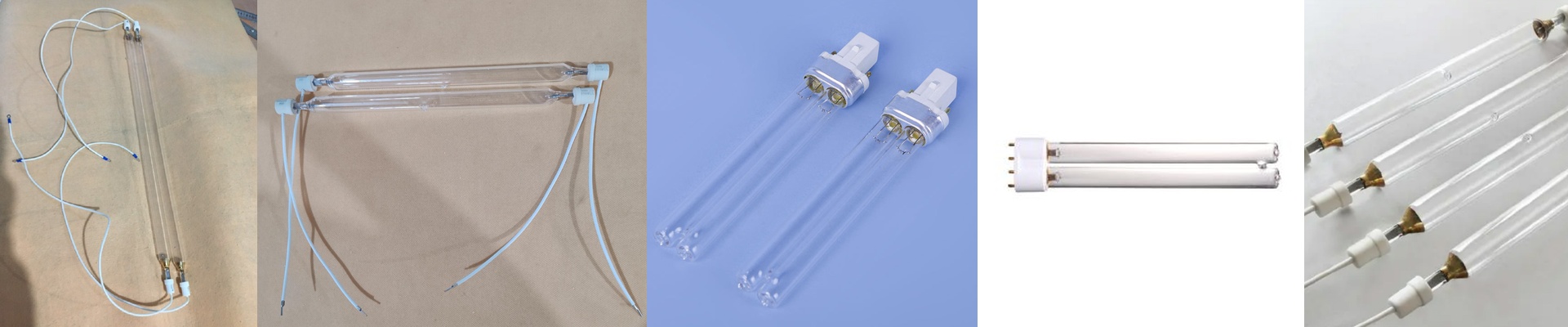
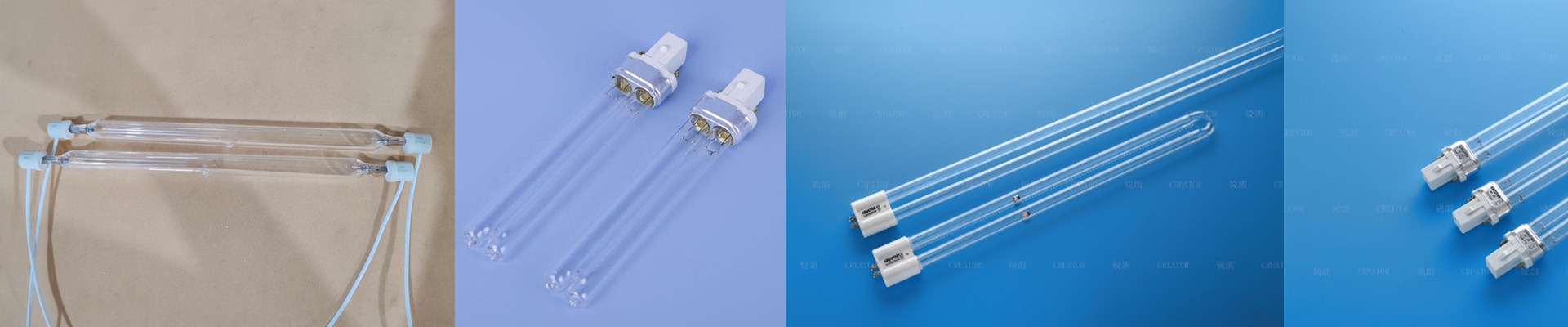
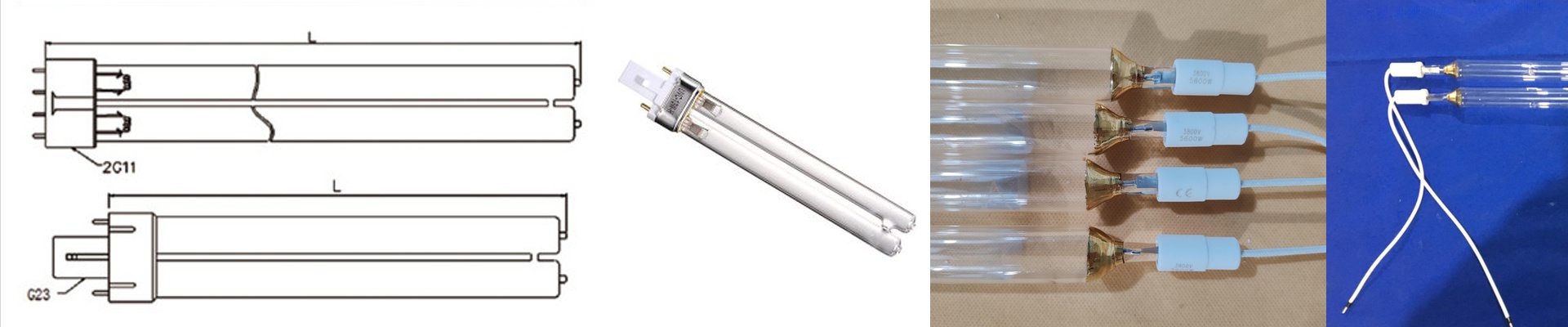
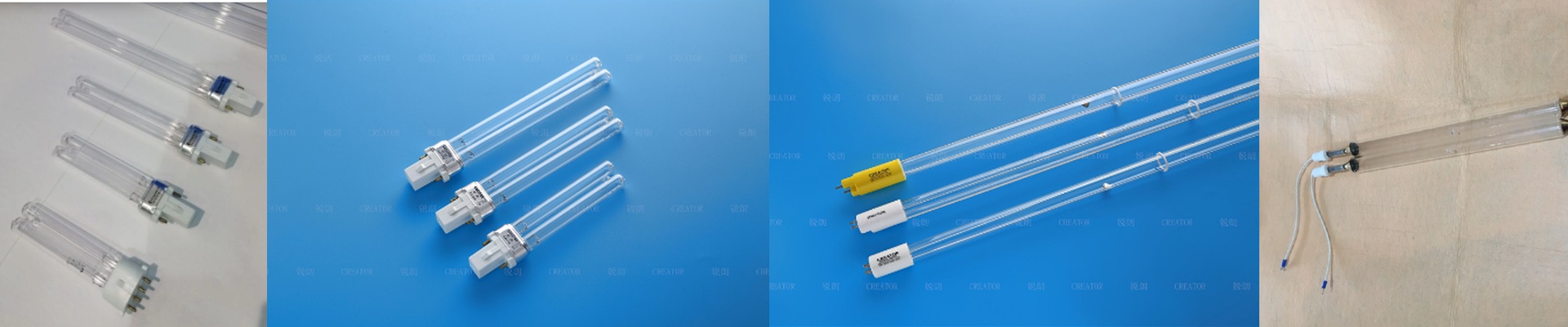
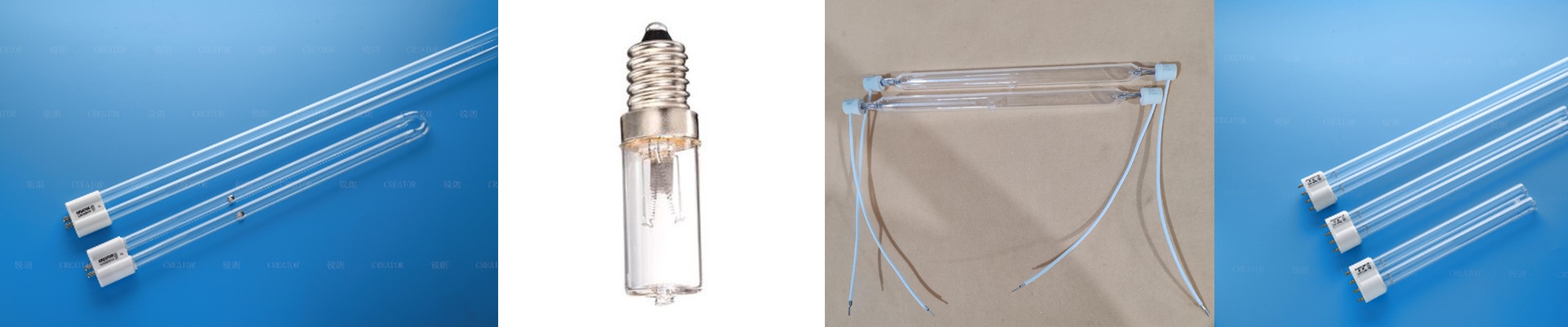
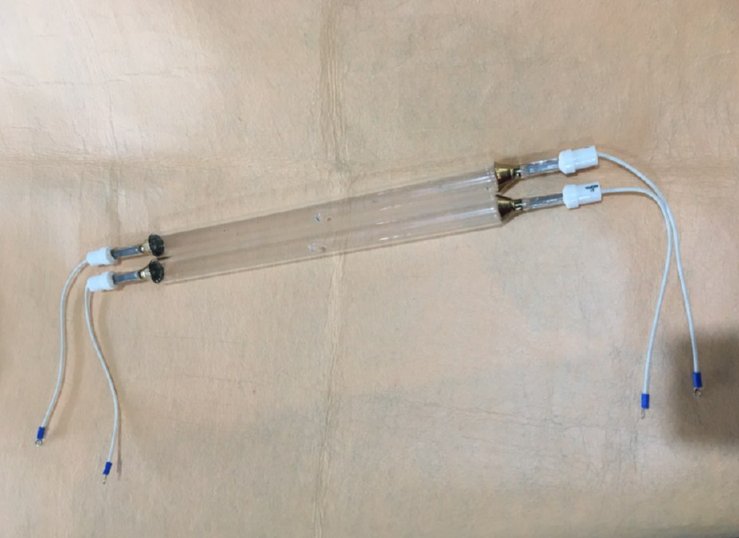
In high-occupancy air purification, one pathogen slipping through is all it takes to start a cross-infection. That’s why we treat the UVC lamp as the core control point for microbial inactivation—not a bolt-on. The goal is straightforward: deliver enough 254 nm photon flux at the target plane to shut down microbial replication, shift after shift, without drift. **What actually matters is dose.**Dose is irradiance multiplied by exposure time, period. We build the lamp around a high-purity quartz sleeve and a stable low-pressure mercury vapor discharge, so the 254 nm output stays strong for direct DNA/RNA absorption. We call out irradiance in mW/cm² at defined distances, and we hold spectral stability across the life of the lamp. Compared with many conventional lamps, you get tighter output uniformity along the arc length, and the end-of-life decay is flatter. Rated lifetime lands at 8,000–9,000 hours with controlled lumen maintenance. System energy draw is managed so you’re not paying for wasted heat. Total cost of ownership comes down to fewer replacements, steady performance, and maintenance you can plan around. In air purification, the real variables are airflow velocity, chamber geometry, and lamp position—those set the actual dwell time. We match the lamp to the chamber layout so the UVC field covers the intended volume without shadows. The payoff is repeatable log reduction, even when pathogen load spikes. Because lamp output stays stable, you can validate disinfection performance once, and re-validate later without chasing the system. A couple of field realities to keep in mind: UVC output is sensitive to operating temperature and to quartz fouling. Install the lamp where airflow keeps the envelope temperature steady, and put a cleaning schedule in place so film buildup doesn’t scatter the 254 nm. Also confirm electrical compatibility with your ballast and fixture—impedance has to match so ignition is clean and output stays consistent.