
Keeping Your UV Lamps from Crashing the Party on the Production Line
Let’s get real. On a food production line, that germicidal UV lamp isn’t just some random bulb. It’s the quiet hero keeping things safe. Its whole job is to blast out consistent, powerful UV to wipe out germs on surfaces and packaging. And when it fails? The line stops. No ifs, ands, or buts. So the smart move is to stop playing catch-up with replacements and start getting ahead of the curve. Treat your UV lamp inventory like something you actually control.
The Power Behind the Punch
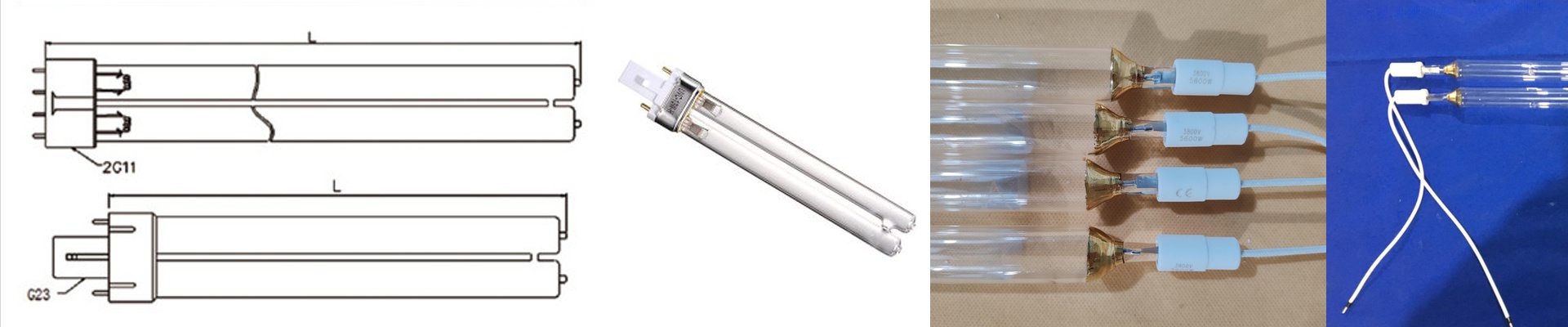
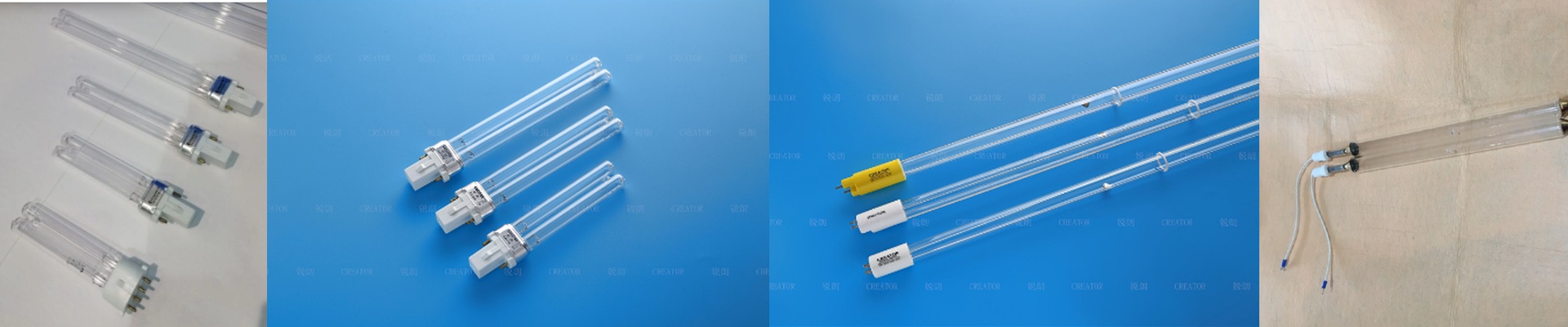
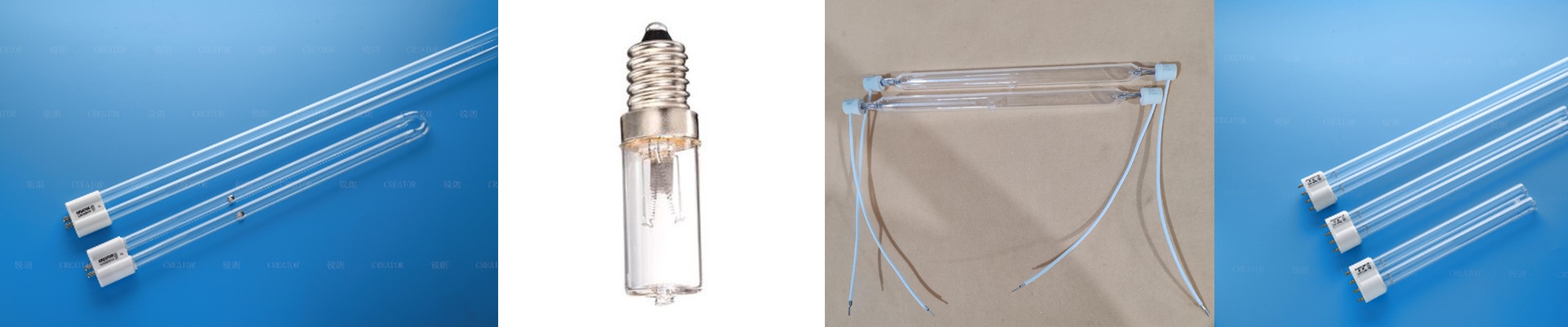
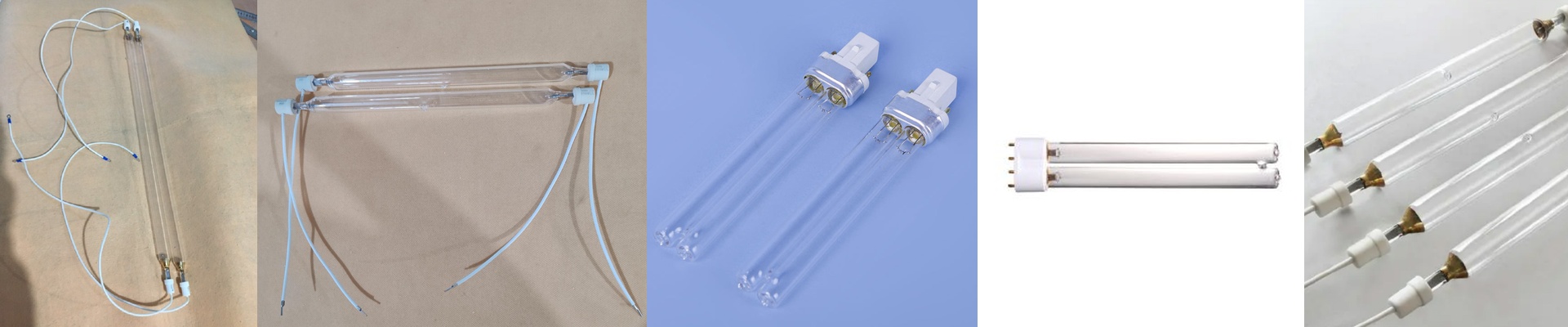
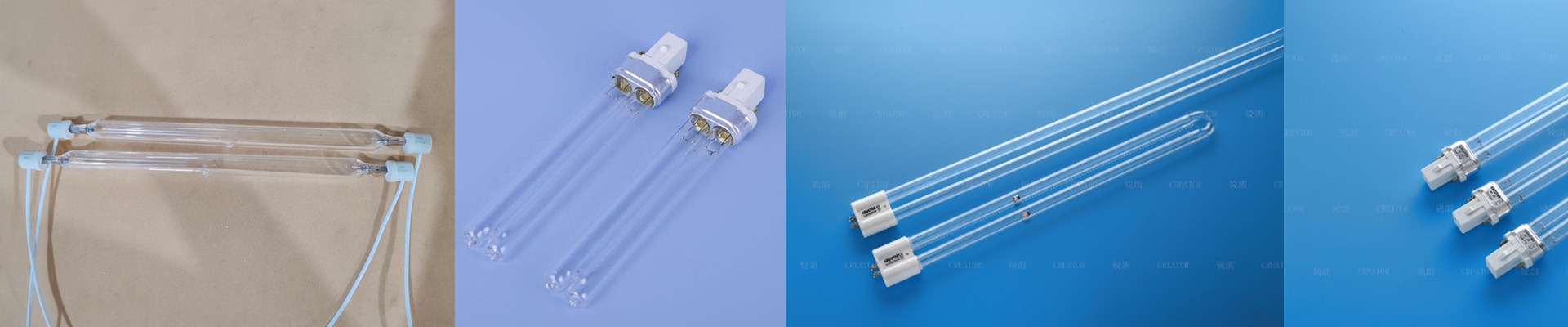
Here’s the thing about these lamps—they’re built for the long haul. We spec them to run at 400V and pull 2500W. Why? That level of power is exactly what’s needed to hit the right heat density, which keeps the UV output at its peak. That heat is crucial. It gets the quartz envelope up to the perfect operating temperature, which is what makes the germicidal magic happen. And the 300mm length? It’s not an accident. It’s a standard size that slides right into existing disinfection modules and conveyor housings. No re-engineering. Just a straight swap when it’s time.
Why the Details Actually Matter
The core of the lamp is wrapped in high-purity quartz. It’s tough enough to handle the shock of rapid on-off cycles without cracking, and it stays steady, letting the UV pass through cleanly. Inside, the coating is focused on one thing: pushing all the energy into the germicidal band. No wasted effort. Just targeted power where you need it. Then there’s the R7s bi-pin connector. It’s the workhorse. Wiring it up is quick, it stays tight even with all the vibration on the line, and it’s compatible with the sockets you already have. That means less time installing and a lamp that stays seated properly, so you avoid hot spots and uneven wear.
Getting Ahead of the Failure Curve
In food packaging and surface disinfection, you need that UV output to be predictable, day in and day out. The way to do that is through simple, steady tracking. Start logging runtime and keep an eye on voltage and current draw. As the lamp ages, you’ll notice the electrical behavior shifting and the UV intensity dipping. Build a simple ledger of this data, and you can plan replacements during scheduled downtime. But there’s one catch. That 2500W power draw means these lamps run hot. Make sure your module’s cooling and airflow are up to the task. Overheating will kill a lamp faster than anything and hurt its performance.
Stop Reacting. Start Running.
In food processing, these UV lamps are your frontline defense. When one fails, you don’t just lose a part. You lose time, you lose output, and you lose confidence in your product’s safety. So stop waiting for the failure. Treat lamp life like a resource you can actually manage. We build these lamps to run on 400V and deliver 2500W because that’s the sweet spot for stable, powerful UV. The 300mm length makes the swap a no-brainer, cutting down on changeover time. The quartz envelope takes the heat cycling in stride. The internal coating keeps the energy focused. And the R7s connector gives you a secure, vibration-proof connection. No fuss, no arcing—just solid contact. The key is building the habit. Track the runtime, the voltage, the current. Watch the output trend down. Replace based on the data, not the breakdown. And always remember—those lamps need serious cooling. Get that right, and you’re golden. Build the habit. Plan the swaps. Keep the line moving.