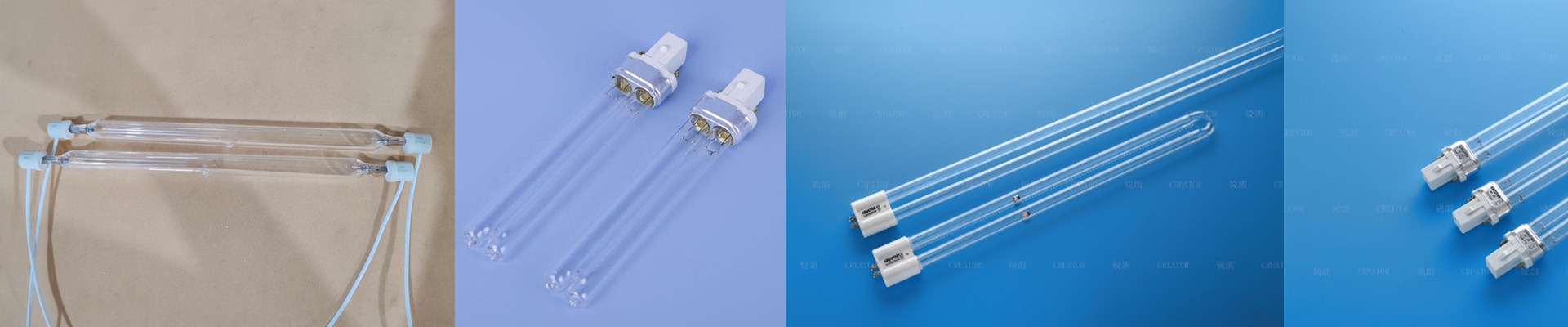
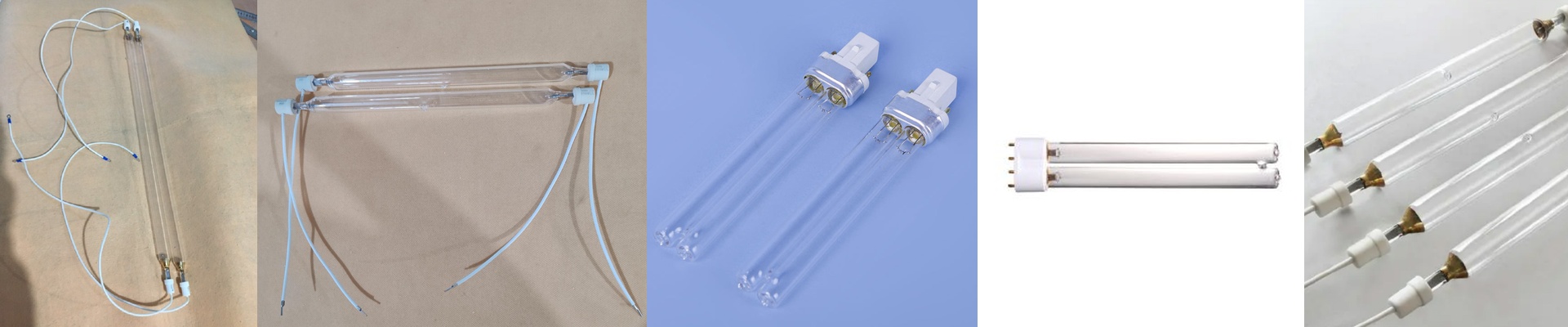
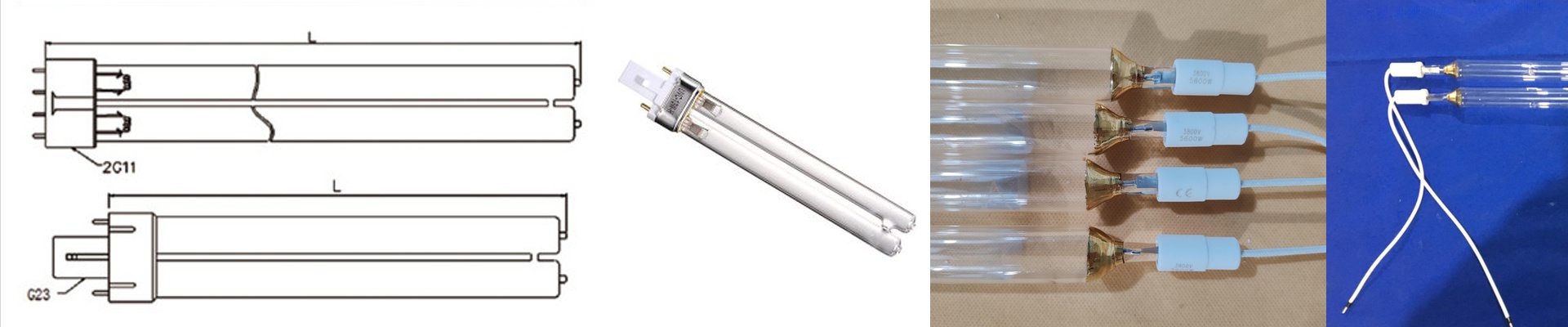
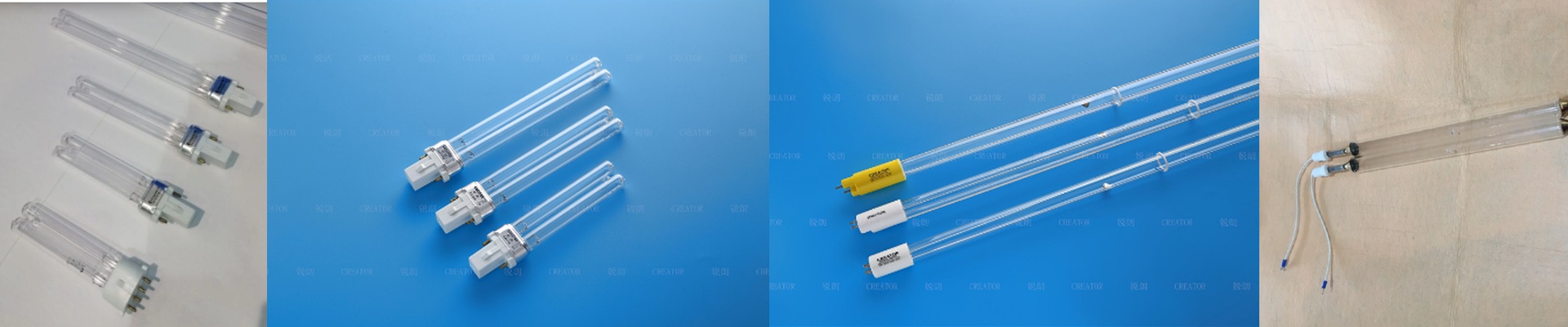
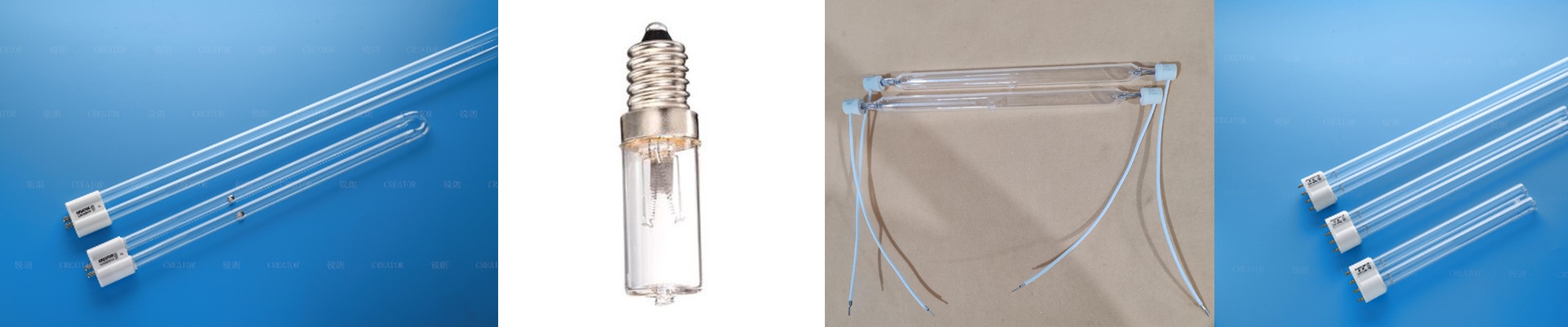
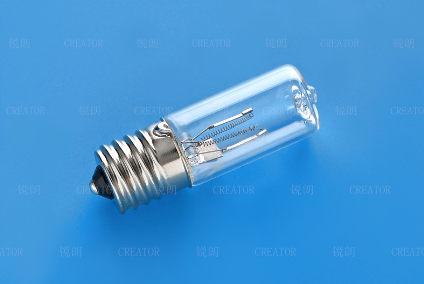
Top streetwear printers don’t just run “UV curing.” They spec lamps that match the photoinitiator chemistry in their inks. Because color saturation and stability come down to spectral precision, not raw wattage. When lamp output drifts, the job drifts with it—dot gain climbs, whites start to yellow, and that signature brand hue goes flat. What actually drives a good cure UV curing is about wavelength, peak irradiance, and energy density. High-pressure mercury lamps hit strong at 365 nm, with extra lines at 313 nm and 436 nm. For pigmented inks and whites, that 365 nm peak gets you deep cross-linking without surface quenching. Match the spectrum to the photoinitiator absorption, and the cure profile stays predictable. Spec lamps with stable arc stability, and use dichroic-coated reflectors to keep the spectral output tight. You also want consistent irradiance across the substrate. Measure in mJ/cm² with a radiometer—then set the number and don’t chase it every run. Why this matters on textile Premium textile work is tricky: the substrate can’t take heat, and the ink lay is thick. You need high peak irradiance to set the surface fast, then enough energy density to cure through the pigment. A properly tailored lamp keeps dot gain in check, holds color across runs, and cuts curing-related downtime. The payoff is repeatable color, cleaner detail, and faster throughput—without scorching the fabric. The shop-floor details you can’t skip These lamps demand exact electrical matching and clean reflector alignment. Mismatched ballasts and worn reflectors throw off spectral output and eat lamp life. Make sure the lamp is compatible with your press model, and verify the cure window with your ink supplier. Plan for heat and ozone control. Ventilate properly, and schedule reflector inspections the same interval as lamp replacement so irradiance stays stable.