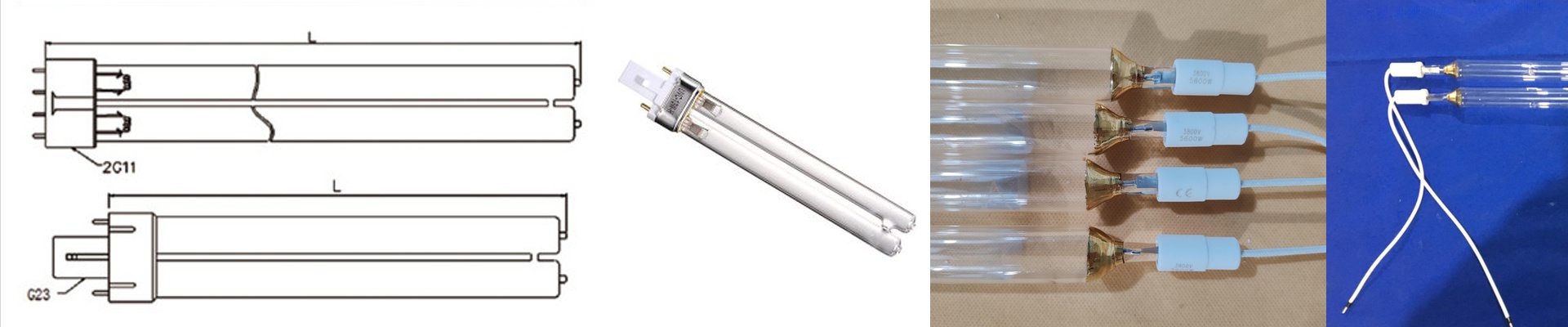
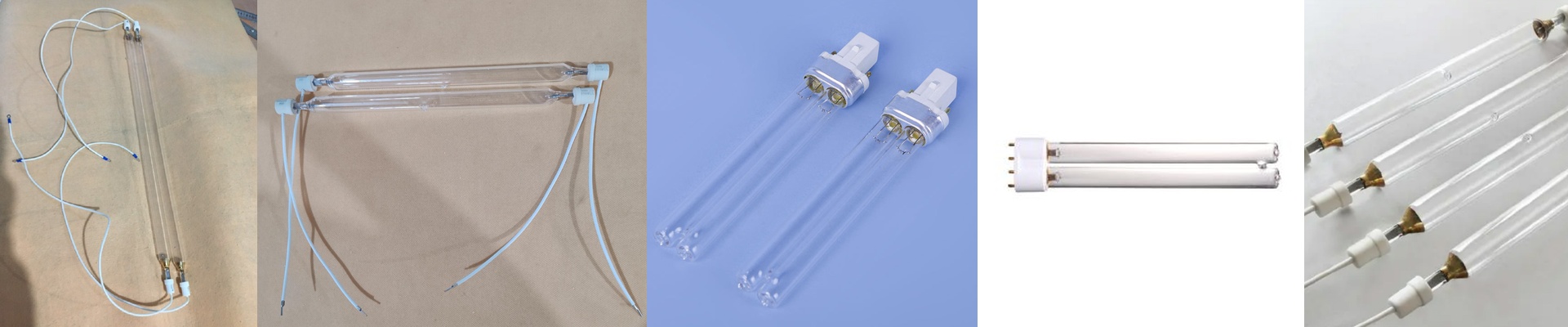
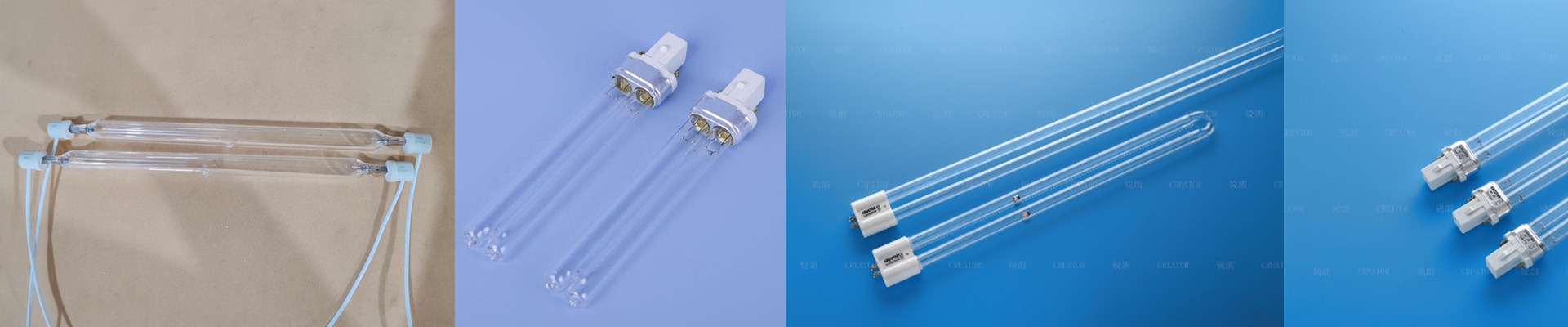
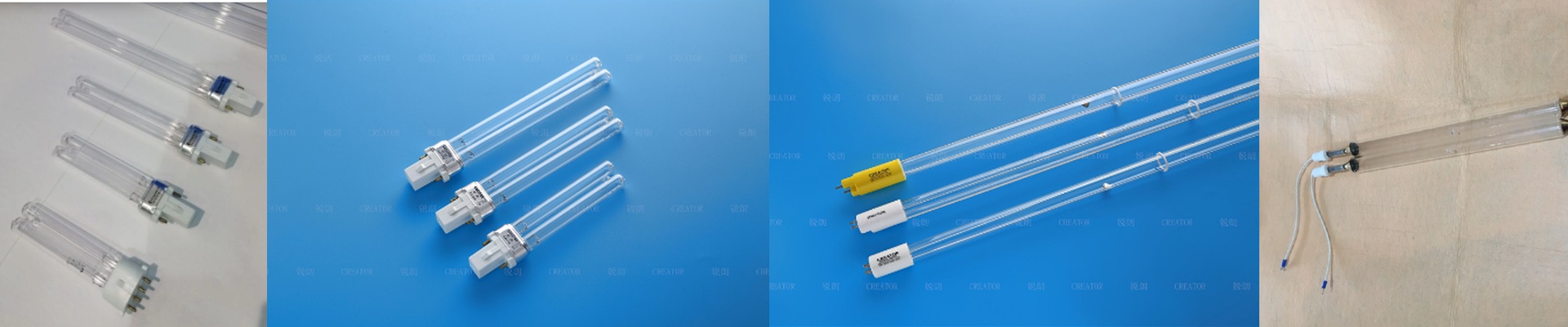
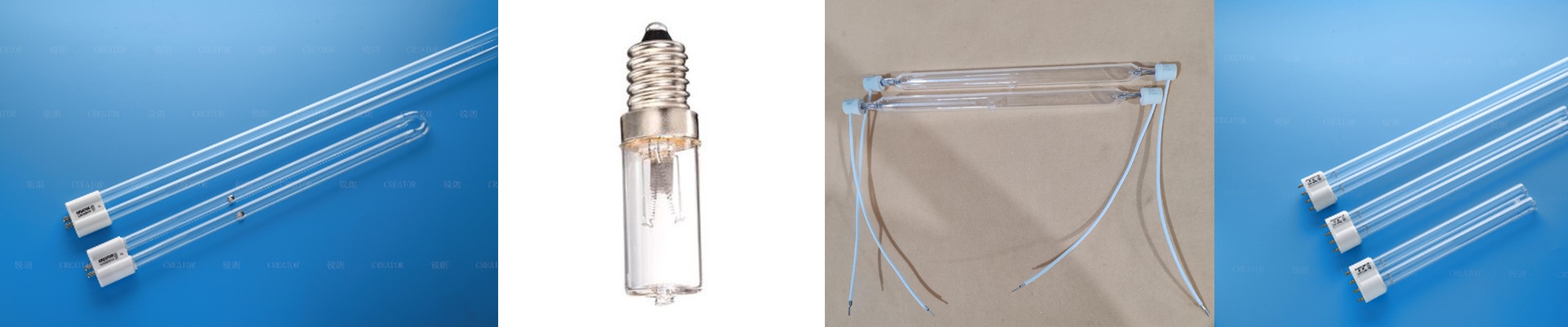
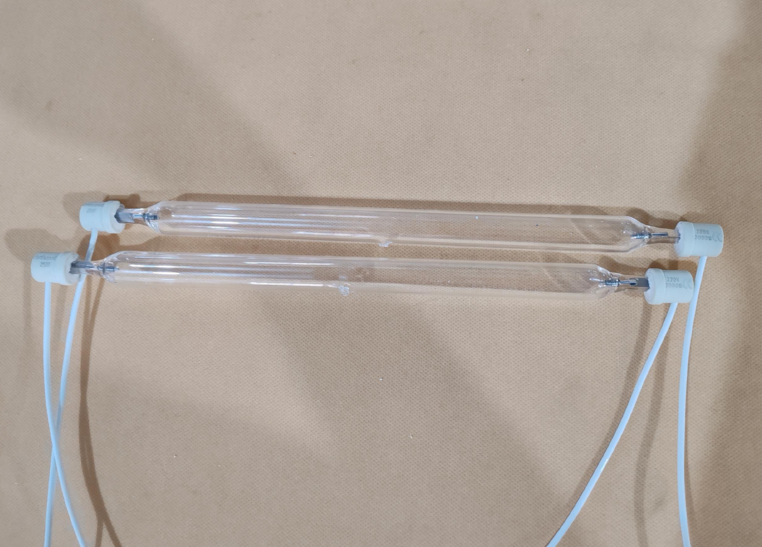
In cold-chain logistics, a germicidal UVC lamp that can’t hold output at -20°C isn’t just underperforming—it’s giving you a false sense of security. The cold changes the arc impedance, contaminants condense on the sleeve, and the UVC photon flux collapses. The practical result is under-dosed surfaces and microbes that stick around. What actually matters is wavelength, irradiance, and stability under cold load. We run a low-pressure mercury discharge tuned to the 254nm germicidal line, paired with a fused quartz sleeve that keeps UV transmittance up when it’s thermally stressed. The lamp is built to strike and hold the arc at -20°C, so you get a stable irradiance profile across the target plane. In real terms, that means repeatable dose control: irradiance at the surface times dwell time hits the microbial reduction target, without the swings that come from repeated warm-up and cool-down. Here’s why it holds up: the cold-chain isn’t a room, it’s a thermal shock chamber. The UVC unit is engineered for continuous operation in frozen conditions, with materials and electrode design that resist cold-start failure and keep output consistent. You get disinfection cycles you can count on, predictable maintenance intervals, and fewer surprise shutdowns. A few shop-floor basics: mounting geometry and reflector cleanliness directly set the delivered dose. Surface frost, ice buildup, and dust on the quartz sleeve can drop irradiance faster than lamp aging. Keep the fixture sealed, verify alignment, and put periodic radiometer checks in the schedule. And because 254nm exposure is hazardous to eyes and skin, treat interlocks and shielding as part of the system—not add-ons.