
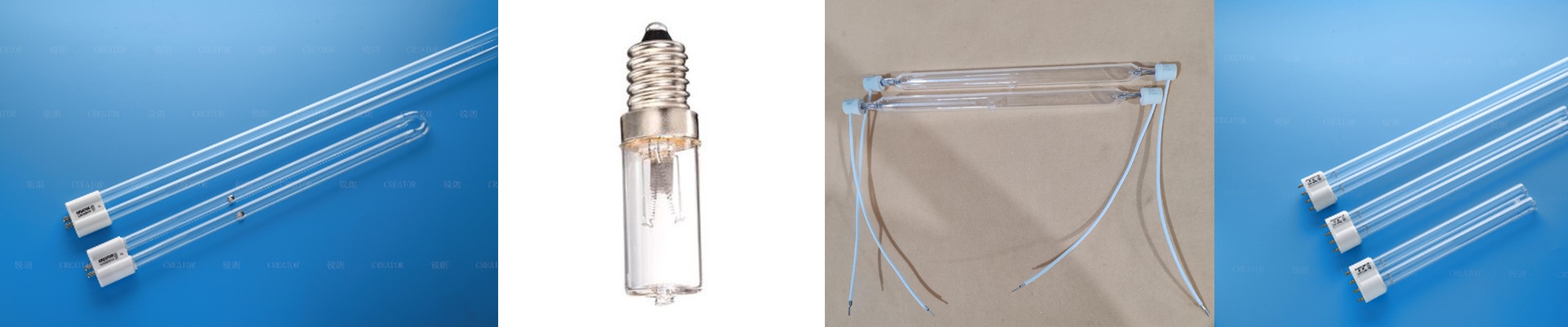


Stop fighting your ink: A better way to cure with Gallium Iodide
Ever had that frustrating moment where your ink looks great on top, but as soon as you touch it, the whole layer peels off the substrate? It’s a nightmare. Standard mercury lamps are okay for basic jobs, but they struggle with thick layers or heavy pigments. They basically just scorch the surface while the bottom stays wet. That’s why we use Gallium Iodide (GaI). By adding gallium to the mix, we shift the light toward longer wavelengths. Think of it as giving the light more “muscle” to punch through the ink and cure it all the way to the bottom. No more surface-level fixes. Getting the mix right We don’t believe in one-size-fits-all. We tweak the gallium levels based on what you’re actually printing. If you need deep penetration for a heavy screen print, we crank up the gallium (specifically in the 365nm to 405nm range). Now, there’s a trade-off here. You get that deep cure, but you lose a bit of the punchy, short-wave intensity. It’s a balancing act. We just help you find the sweet spot between a thin varnish and a thick build. It’s more than just a tube We don’t just throw a lamp in a box and ship it. That’s how things break. We look at your actual setup. We make sure the length is spot on and the electrodes are exactly where they need to be so the lamp sits perfectly in your reflectors. If your power supply is running hot, we swap out the electrode materials so the lamp doesn’t burn out prematurely. Even the quartz glass is chosen to handle the heat of your specific line speed. It just works. Clearing the bottleneck When you switch to a GaI lamp, your curing station stops being a headache and starts being a tool. You can finally stop worrying about under-cure issues. Just a heads-up, though: these lamps run hot. If you decide to bump up the wattage to speed things up, keep an eye on your cooling fans or water jackets. You don’t want your reflectors warping because the system couldn’t breathe. Keep it cool, and you’re golden.