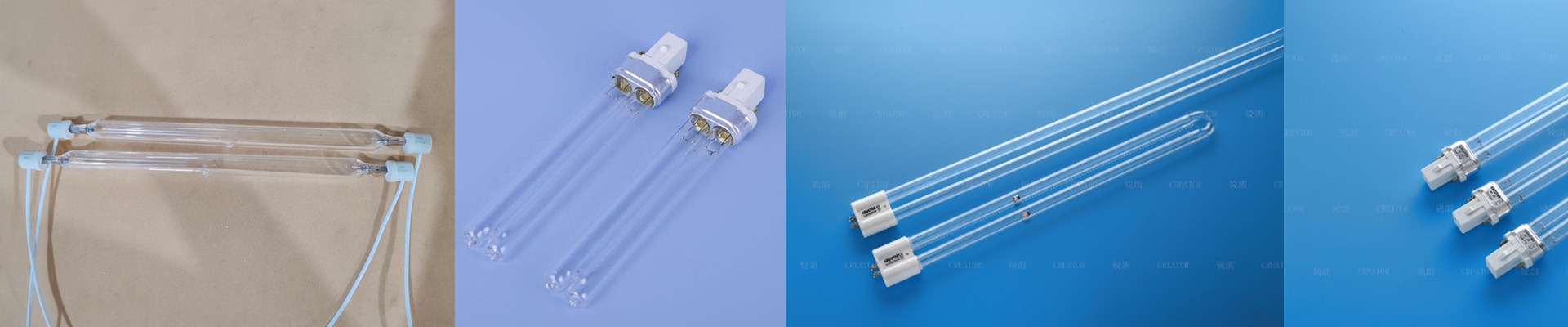

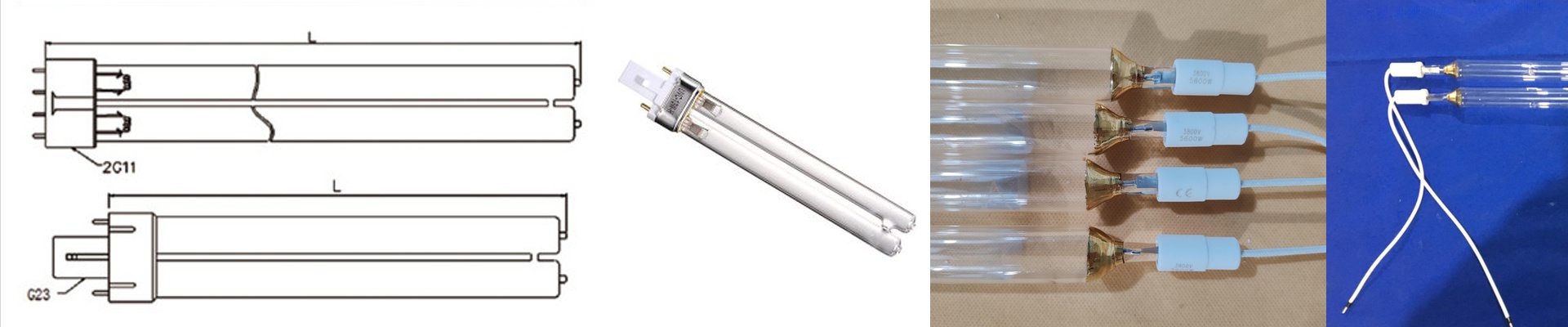


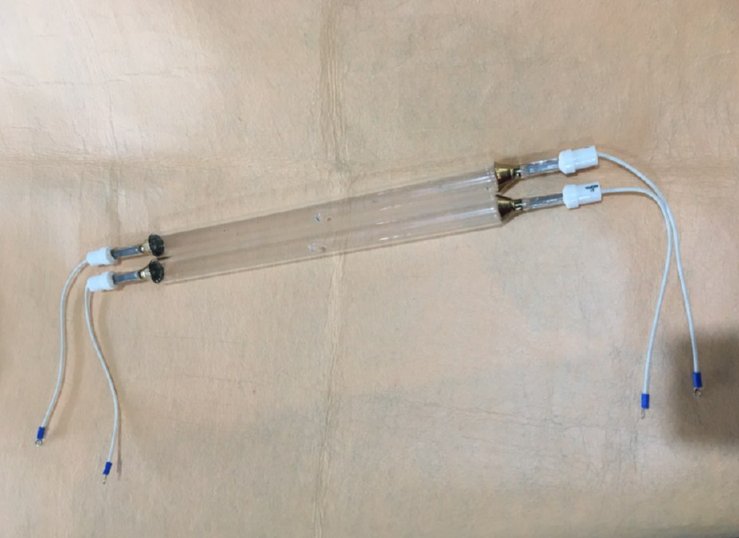
Getting the UV Light Just Right
We don’t just put together lamps. We’re really in the business of managing energy. Most of the UV lamps you find on a shelf are… okay. But they leak way too much infrared and visible light. If you’re trying to cure a high-end coating or sterilize a surface, that extra light is just wasted power. We spend our time obsessing over quartz envelopes and gas mixes so we can hit a very specific nanometer target.
Why a few nanometers actually matter
You might look at the difference between 254nm and 265nm and think, “Who cares? It’s a tiny gap.” But in the real world, that gap is the difference between a lamp that actually breaks a molecular bond and one that just sits there. To make this work, we use high-purity synthetic quartz. We do this because standard glass tends to soak up the UV radiation before it even leaves the tube. When that happens, heat builds up inside the envelope, and your filament burns out way faster than it should. We also tweak the mercury vapor pressure and the electrode materials. It clears out the “noise” in the spectrum, leaving you with a concentrated, sharp beam.
The heat struggle
Here’s the thing: driving a high-wattage UV lamp creates a ton of heat. I’ve seen engineers try to crank up the current to get more output. It seems like a good idea at first, but it actually shifts the wavelength and kills the lamp’s lifespan. It’s a constant balancing act. To keep things steady, you need a ballast that can handle voltage swings without flickering. If it flickers, you’ve got a problem.
Making it fit your setup
We design our connectors for speed. Whether it’s a slide-in mount or a twist-lock, we know the last thing you want is a production line sitting idle for hours because a bulb died. These are built to be drop-in replacements for the arrays you already have. Just one tip: double-check your cooling fans. Make sure they can handle the heat density of the wattage you’re picking. If the housing gets too hot, the UV output drops. Just basic physics.