Getting Your PCB Exposure Right: The Truth About Gallium Iodide Lamps
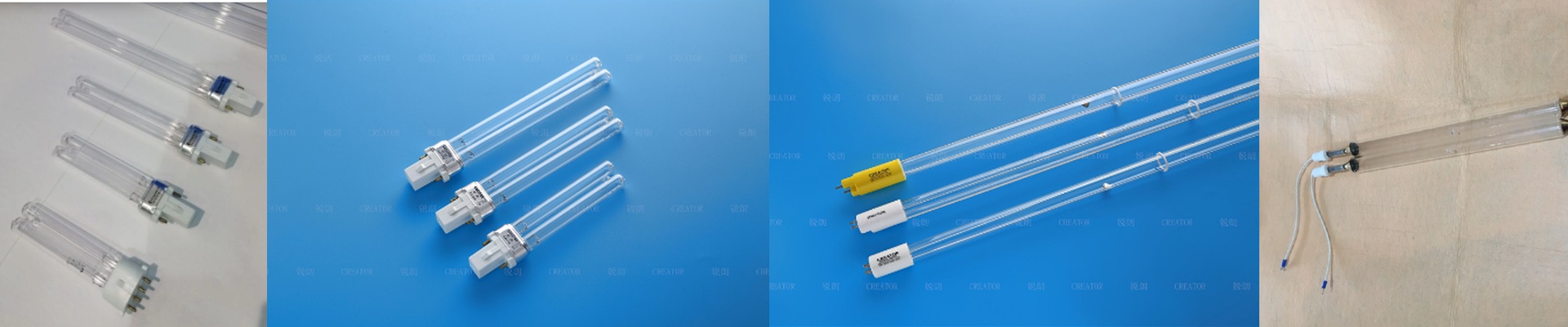
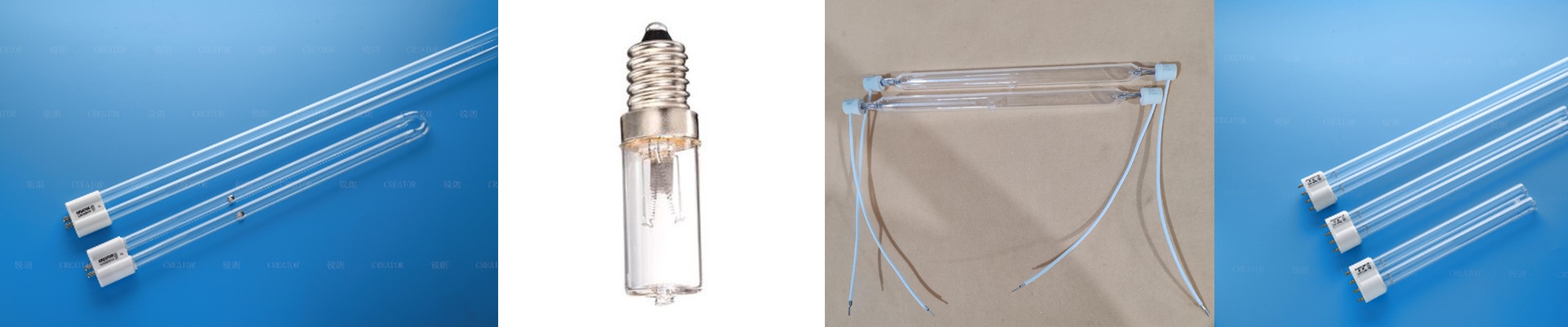
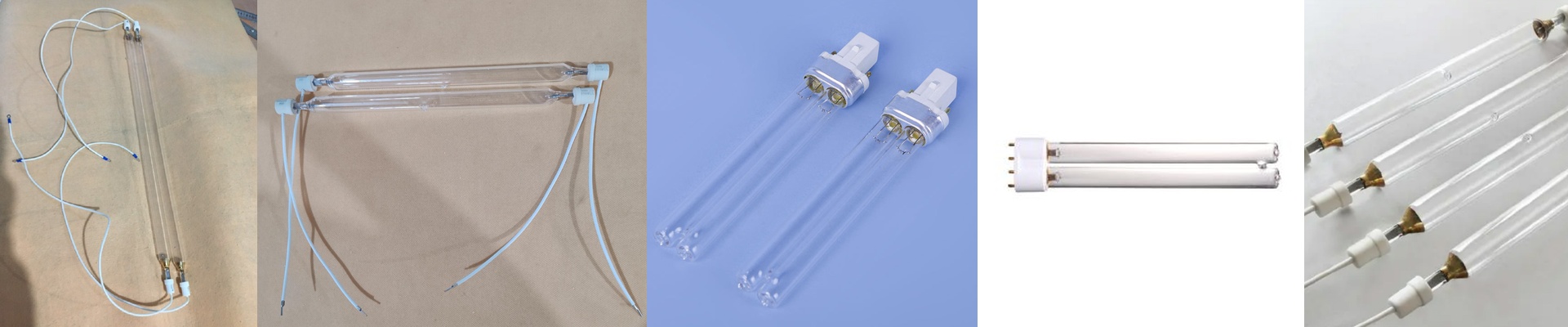
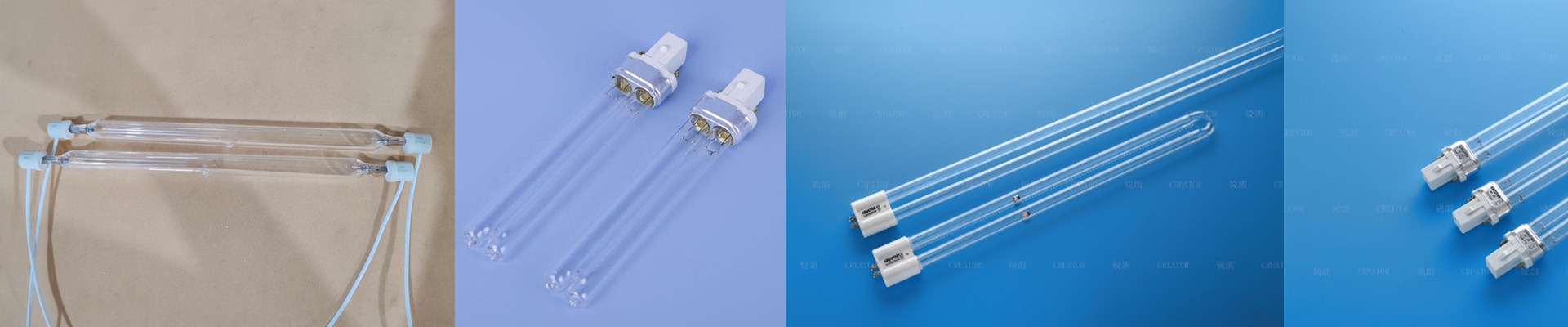
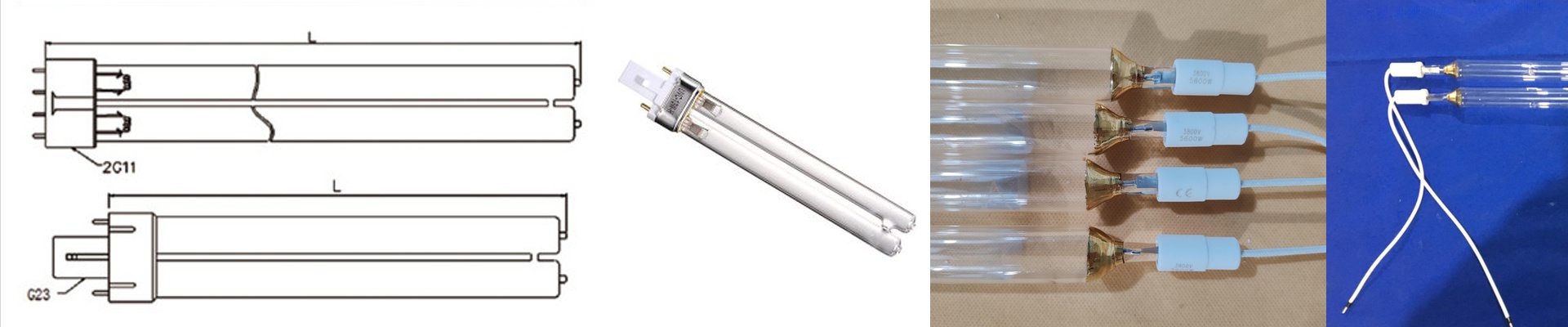
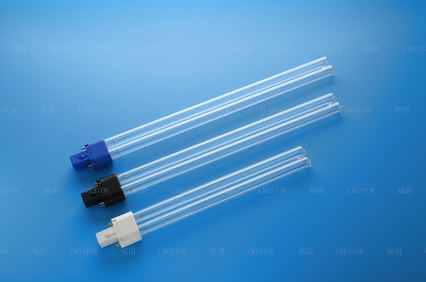
If you’re running a PCB line, you know the drill. The exposure process is where things either click or fall apart. We’ve spent 15 years obsessing over the quartz and gas fills in our Gallium Iodide (GaI) lamps because we wanted to build something that actually holds its own against the big-name global brands. These lamps hit that sweet spot between 200nm and 300nm, which is exactly what your photoresist coatings need to behave. Why precision actually matters Here’s the thing: if your wavelength drifts even a little, you’re in trouble. You start seeing blurred traces or undercuts on your boards, and suddenly your scrap rate is climbing. We calibrate our lamps so the peak intensity lands right in the photoresist’s sensitivity window. Plus, we’ve beefed up the electrodes to handle high current without giving out early. It means your UV output stays steady, and your line keeps moving. No surprises. The heat struggle We use high-purity synthetic quartz. Why? Because regular glass eats UV light, and we want every bit of that energy hitting the board, not the tube wall. But there’s a catch. Gallium iodide is picky about temperature. If the lamp gets too hot, the output tanks. Too cold? The arc starts acting up. You really have to get your cooling system right. I’ve walked into shops where poor airflow killed a lamp in under 500 hours. It’s a waste of money. Make sure your ventilation is dialed in. Fitting them in and keeping them running Our lamps are designed to just slide right into your existing curing racks. No fuss. We spend a lot of time on the seal between the quartz and the electrodes because if gas leaks, the lamp dims. You’ll see that a lot with cheap tubes; we’ve worked hard to stop that from happening. Just keep in mind that these lamps fade over time. It’s a slow, linear drop. My advice? Track your mW/cm² every week. Once you hit 70% of the original spec, swap the tube. Don’t push it further, or you’ll start seeing defects in your PCBs. And don’t worry about the fit—we keep the lengths tight so they snap into your sockets without putting any stress on the glass.