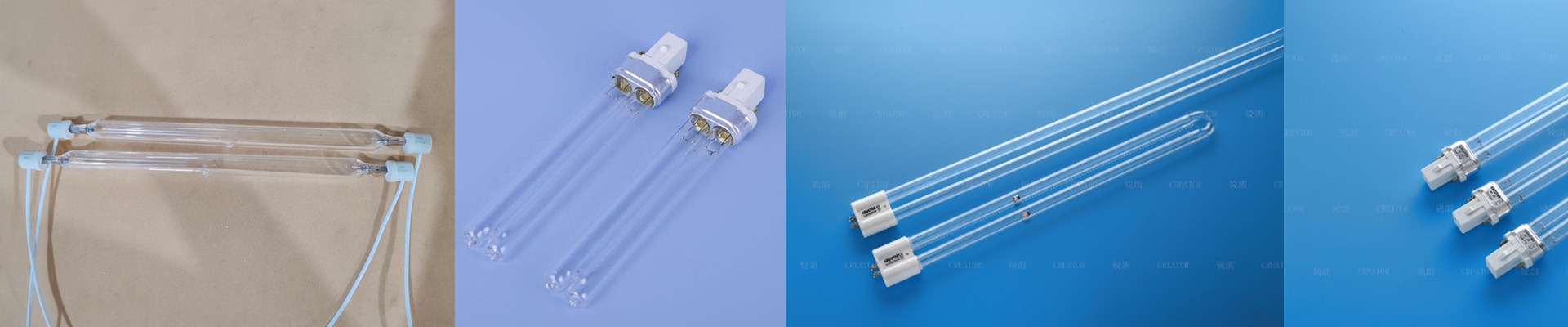
Getting the Edge Right: The Secret to 0.5% Spectral Concentration in GaI Lamps
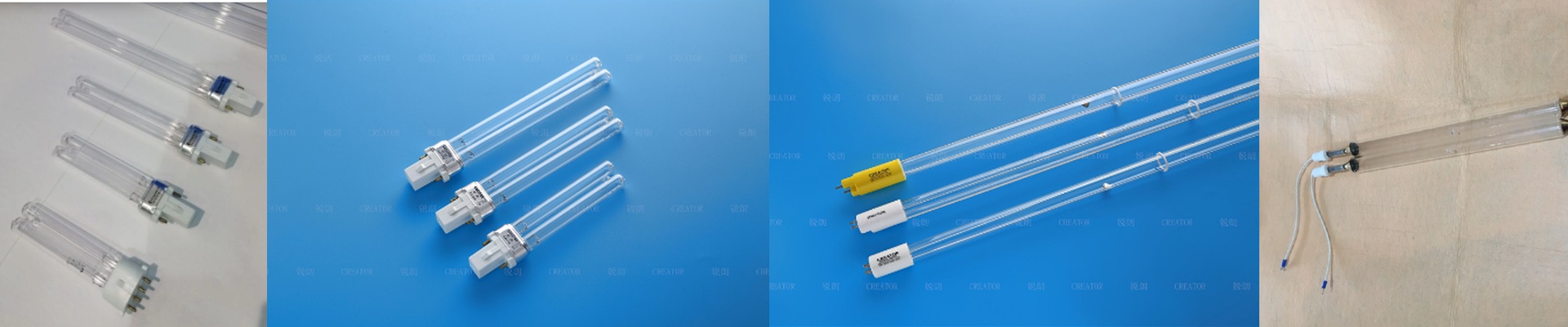
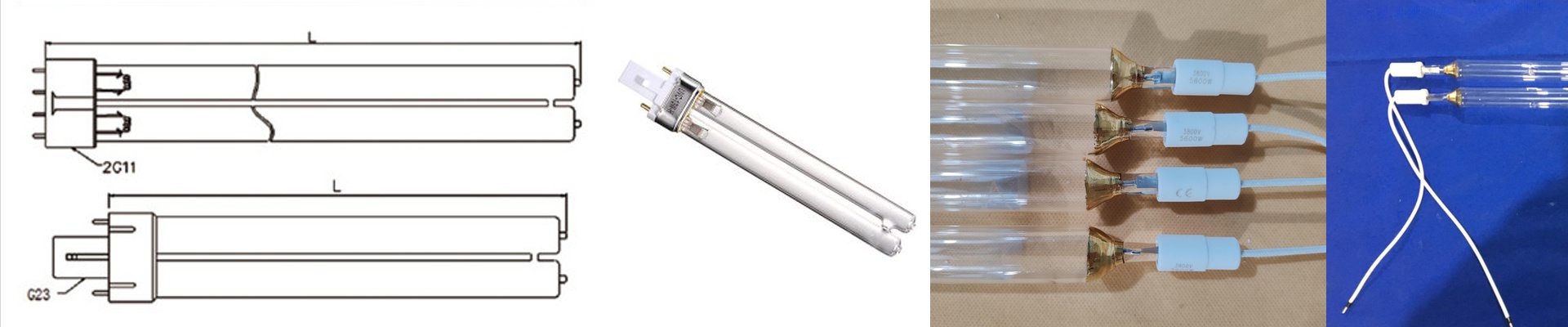
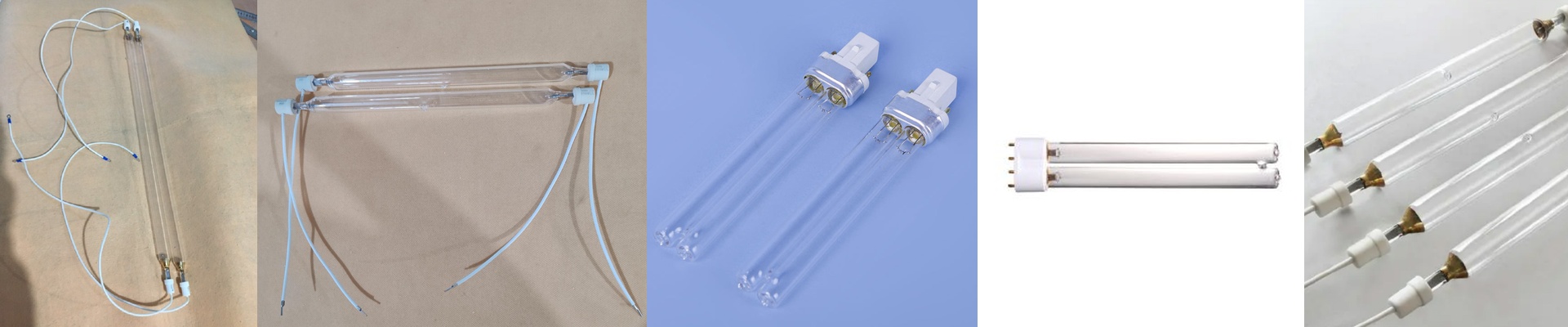
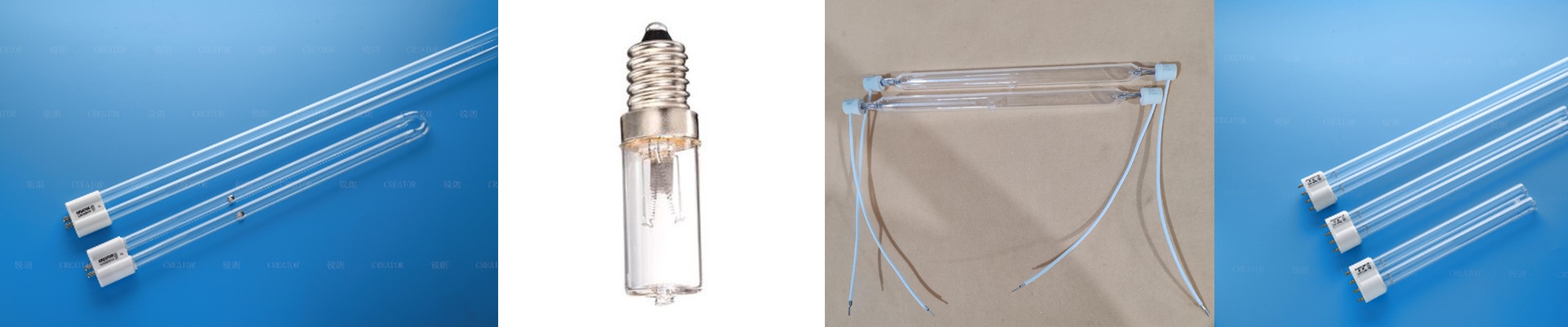
If you’ve spent any time in PCB fabrication, you know the struggle. Your trace width is only as good as your photoresist exposure. We use Gallium Iodide (GaI) lamps because they hit a very specific sweet spot in the UV spectrum—exactly where modern photoresists are most sensitive. Most UV lamps are “messy.” They spread energy across a wide band, which is fine for basic work, but for high-density interconnects? That spread causes light to bleed. You get diffraction, blurred edges, and a lot of headaches. The trick is narrowing that window. Our team spent a lot of time trying to get that spectral energy concentration down to a 0.5% tolerance. This isn’t about cranking up the power. It’s about control. By tweaking the gas pressure and cleaning up the purity of the Gallium Iodide fill, we can squeeze the emission peak into a much tighter window. This stops “stray” UV wavelengths from diving deeper into the resist than they should. Instead of those annoying tapered edges, you get clean, vertical sidewalls on your traces. It’s a night-and-day difference. But there’s a catch. Running lamps this tight puts a lot of stress on the quartz envelope. To stop the glass from clouding over as it ages—what the engineers call solarization—we use high-purity synthetic quartz. You’ll also notice the spectral peak drifts a bit as the lamp warms up. To fix that, we spec the ballast to keep the current steady. That way, your energy concentration stays locked in, even in the middle of a long production run. Here is the trade-off. When you tighten the spectrum to 0.5%, the lamp becomes a bit of a diva. It’s incredibly sensitive to voltage fluctuations. If your power supply ripples, your spectral peak moves. To make this work, you have to pair these lamps with a stabilized DC power source. Otherwise, your exposure won’t be consistent across the panel. And yeah, these won’t last as long as those old broad-spectrum mercury lamps. But honestly? When you see the massive drop in etching defects, it’s a trade you’ll be happy to make.