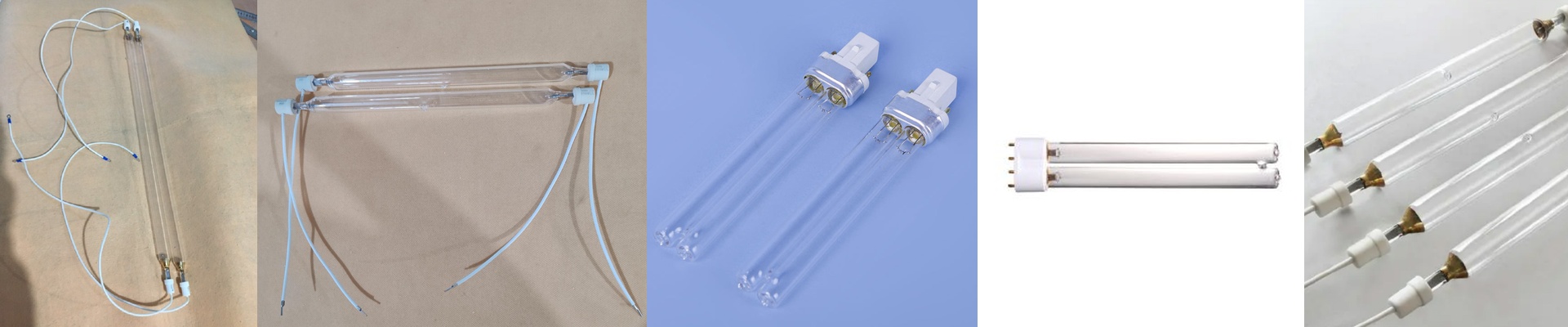
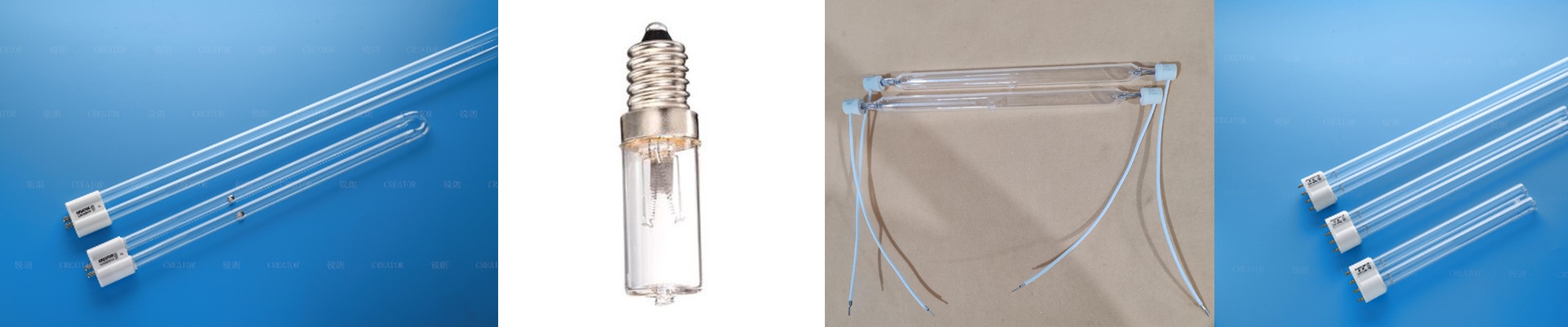
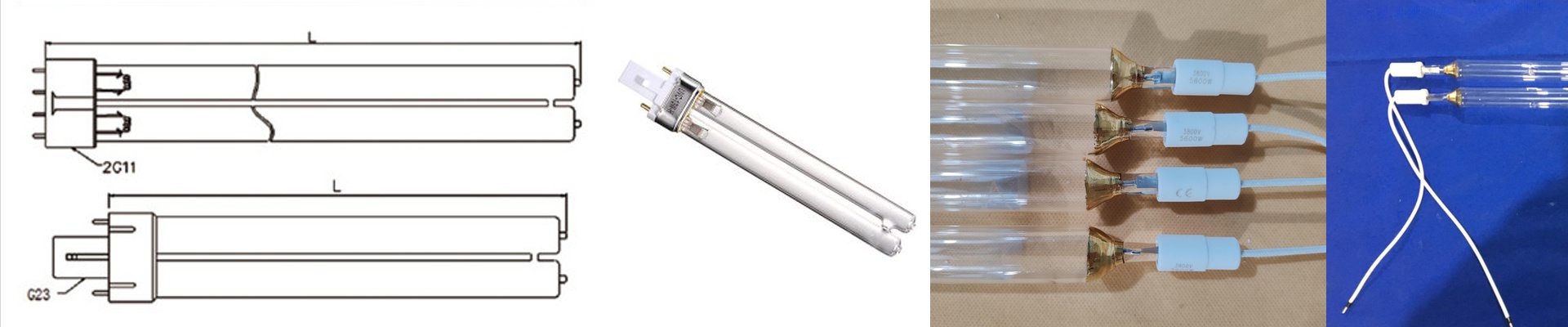
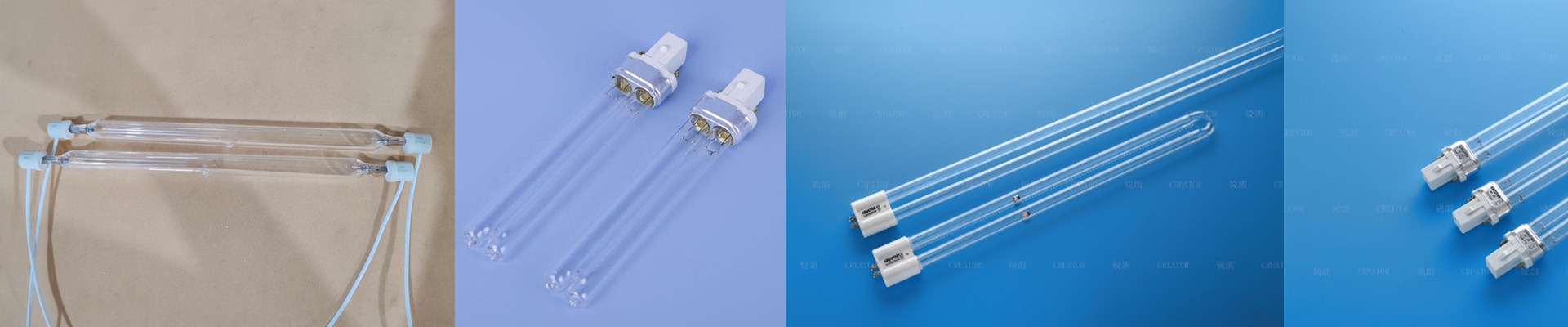
Gallium Iodide Lamps: It’s More Than Just the Hardware
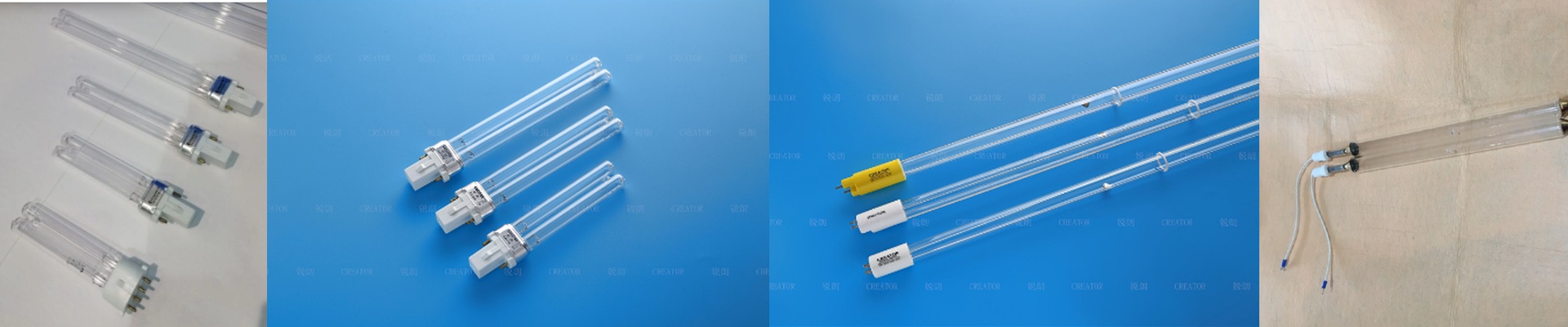
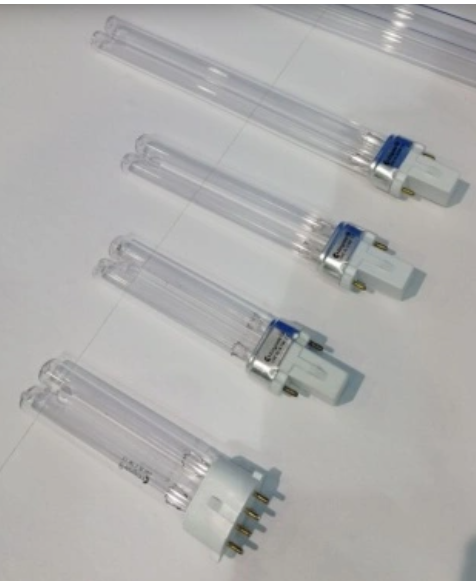
When we’re building Gallium iodide lamps at our factory in China, it’s easy to get caught up in the specs—the UV wavelengths, the gas mixes, the quartz envelopes. But here’s the thing: the hardware is only half the story. Most of the time, when things go sideways, it isn’t the lamp itself. It’s the electrical integration. That’s where the real headaches start.
The Deal with CE Certification
I know, certification sounds like a boring paperwork exercise. But in the world of UV systems, it’s actually your safety net. Think of it this way: you don’t want to flip a switch and deal with a blown fuse or a scary arc flash. That’s what CE certification actually checks—the insulation and dielectric strength. It’s the peace of mind that the lamp won’t fight your system. Plus, if you’re moving these into a production line in Europe or North America, skipping the CE mark is a huge gamble. It could mean your shipment gets stuck at customs for weeks. Or worse, if something goes wrong, your insurance company might just walk away.
The Tug-of-War with Heat
We all want high irradiance. More power, better results. But there’s a trade-off. The more UV output we squeeze out of these lamps, the hotter they get. If your cooling system isn’t up to the task, that quartz envelope is going to feel the stress. Eventually, it’ll just crack. We build our lamps to take a beating, but you’ve got to do your part. Keep that airflow steady, or you’re just asking for trouble.
Getting Your Gear Through the Door
When someone is buying high-end gear, they aren’t just staring at a wavelength chart. They’re looking for that CE mark because it tells them the factory actually has a handle on things. It means the electrodes are seated right. It means the seal is airtight. For us, that little mark is basically a passport. It’s what lets our gear move from a shop floor in China to a pristine cleanroom in Germany without the buyer having to guess if it’ll actually work.