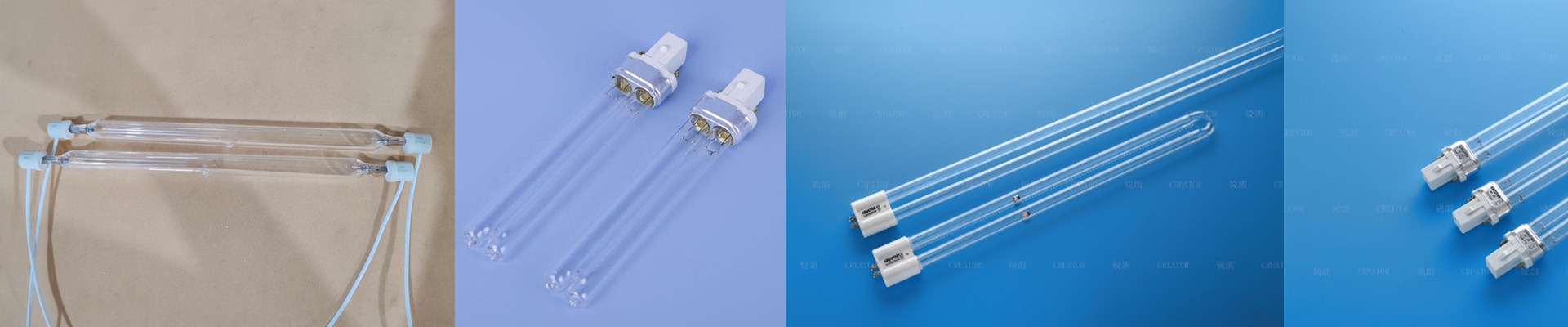
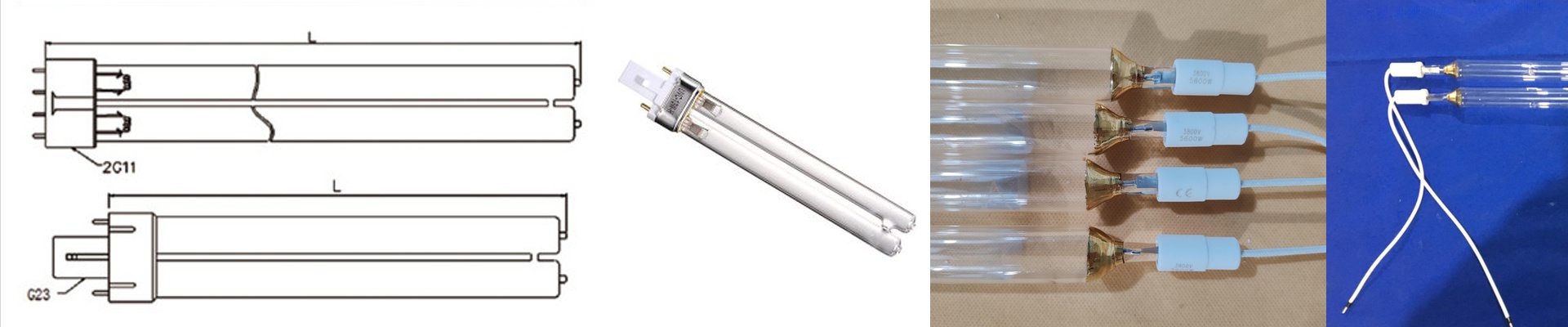
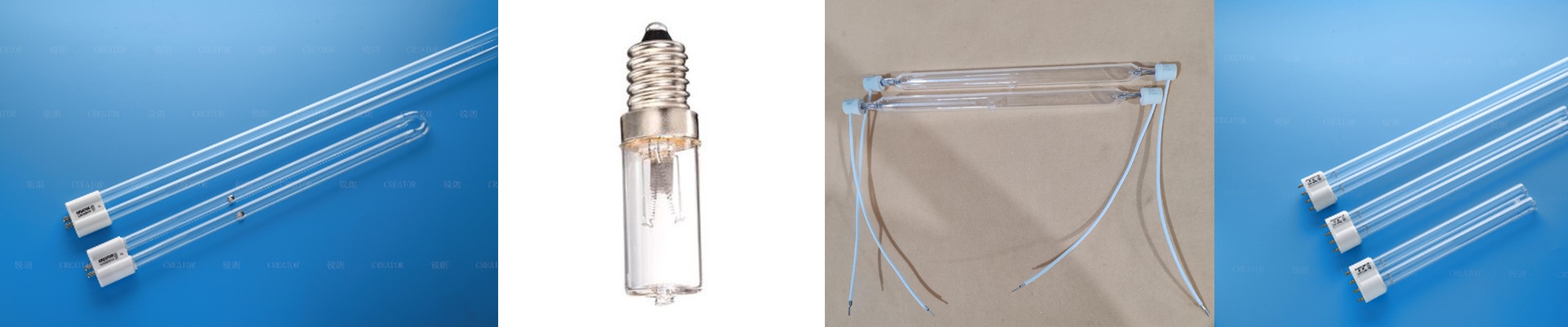
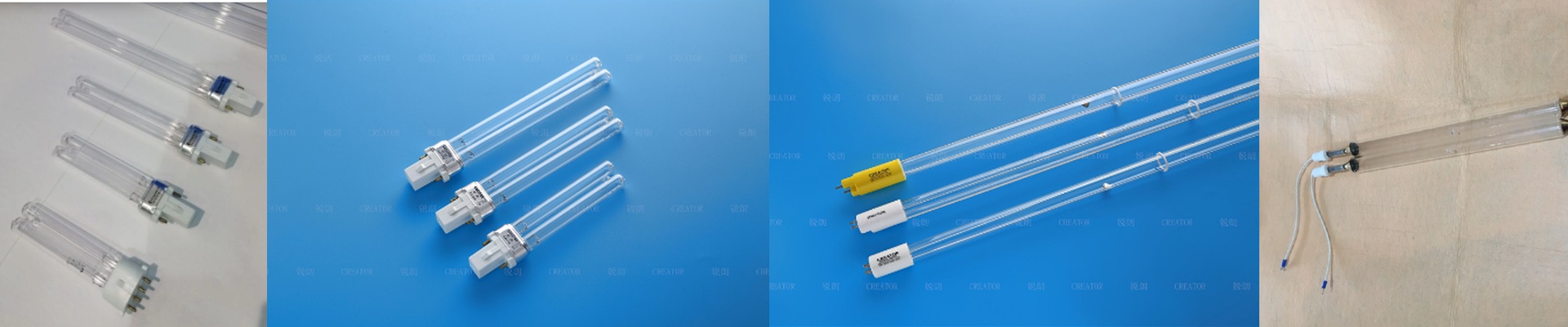
Stopping Germs Without Cooking Your Prints
We built our custom UV lamp modules because we were tired of the same old trade-off: you either get enough UV power to actually kill germs, or you keep your materials from melting. Usually, you can’t have both. At the 2026 Printing Exhibition, we’re not just talking about “light.” We’re talking about how to handle heat and power without losing your mind.
The heat problem (and how we fixed it)
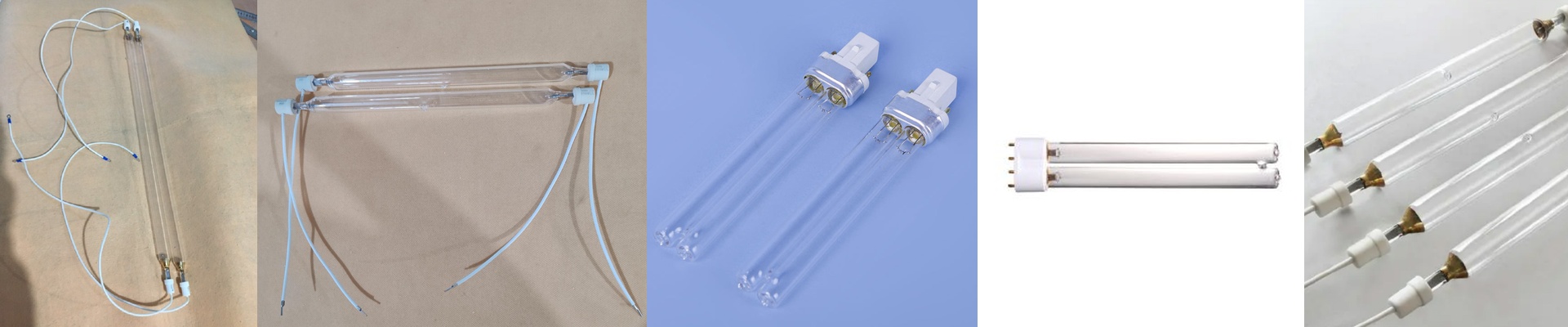
Here’s the thing about UV-C: it gets hot. Really hot. If your cooling blowers aren’t up to the task, the lamp temperature spikes. Then your output drops, or worse, the glass just gives up and snaps. It’s a nightmare. We tackled this by tuning the wattage-to-length ratio. We tweaked the voltage across the lamp arc so you aren’t wasting energy on infrared heat. Instead, you get a heavy hit of photons for sterilization, but your materials stay cool. Plus, we added heat-syncing frames that pull the thermal load away from the quartz, keeping everything stable.
No more wiring nightmares
Nobody likes spending hours on a shop floor fighting with individual wires. That’s why we went with a “drop-in” design. You get pre-configured modules. You slide them in, plug them in, and you’re done. It’s fast. And it means your team can’t accidentally miswire something in the middle of a shift. We also didn’t cheap out on the glass. We use high-purity fused quartz. Why? Because cheap glass acts like a wall, blocking the exact wavelengths you’re paying for. With quartz, the UV-C just sails right through.
The honest trade-offs
Look, there’s no such thing as a perfect machine. If you crank up the intensity to speed up your line, you’re going to put more stress on your power supply. And there’s the ozone. High-wattage UV-C arrays create it, and you don’t want your crew breathing that in. You’ll need a solid exhaust system to keep the air clean. We don’t guess on this—we’ll give you the exact CFM airflow specs you need based on how many lamps you’re running. Simple as that.