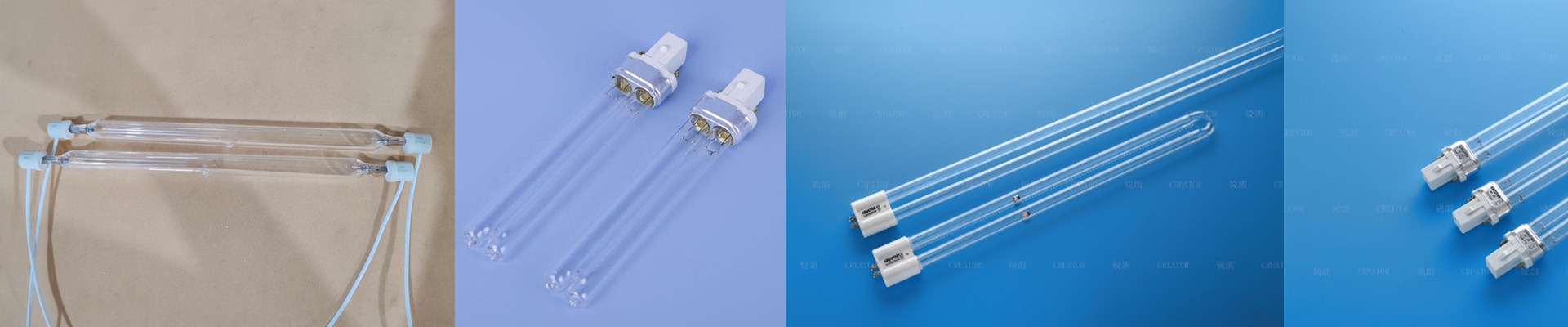
How we actually build industrial UV lamps that don’t quit
For 15 years, we played the middleman. We did the white-label thing, selling other people’s bulbs. But eventually, we got tired of the markups and the lack of control. We wanted to build something that hit the same performance as the big international brands, but without the “luxury” price tag. So, we started making our own.
The science part (kept simple)
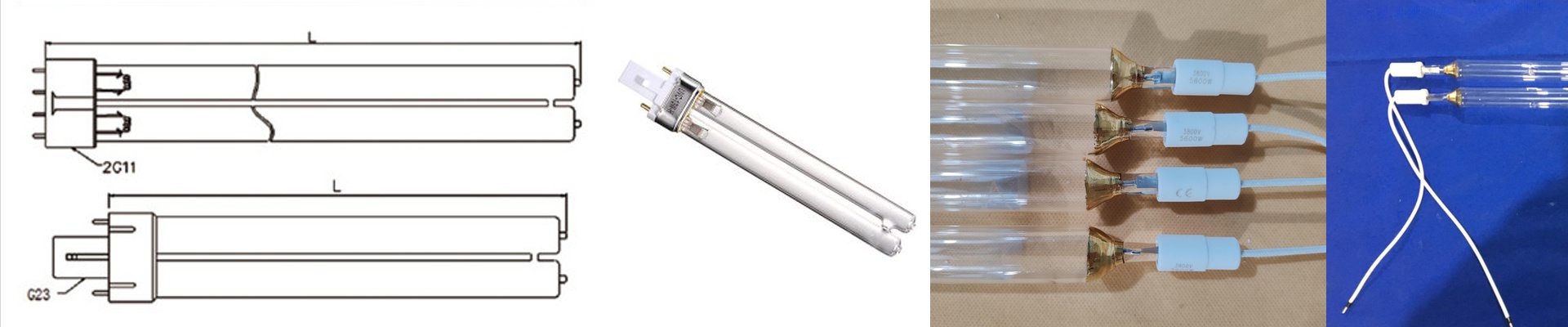
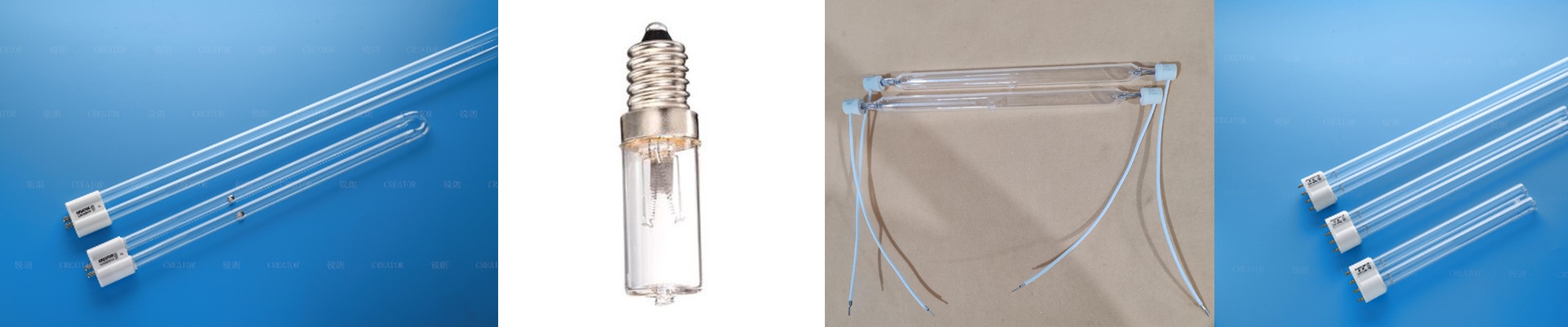
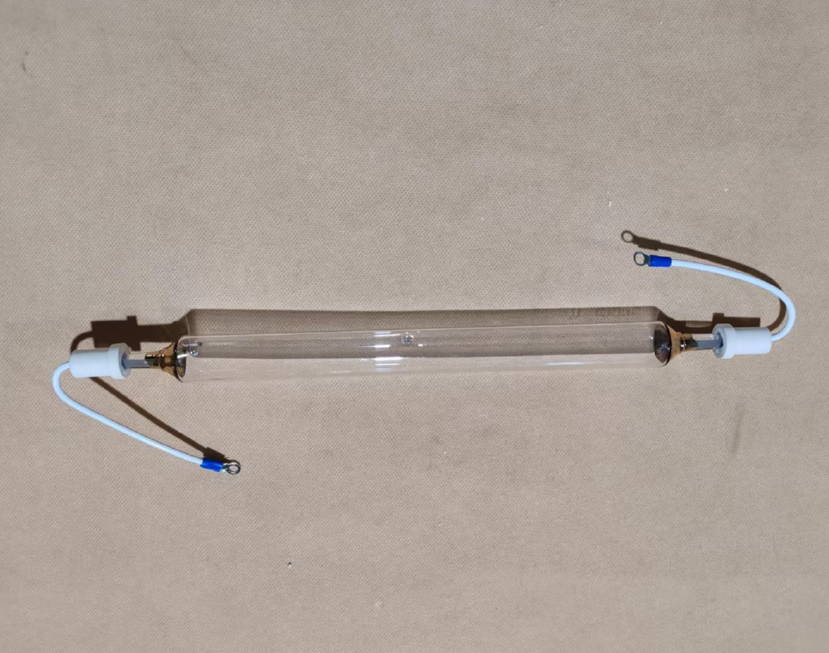
Most of the bulbs we ship are dialed in to 253.7nm. That’s the sweet spot. It’s exactly where the DNA and RNA of germs basically fall apart. To make that happen, we use high-purity synthetic quartz. Regular glass is useless here—it just blocks the UVC. The quartz lets it fly right through. One thing we obsessed over was the electrode composition. You know how some tubes get that weird “darkening” at the ends? That’s solarization. It kills your output long before the filament actually dies. We tweaked the chemistry to stop that from happening, so you get every bit of light you paid for.
Power vs. Lifespan
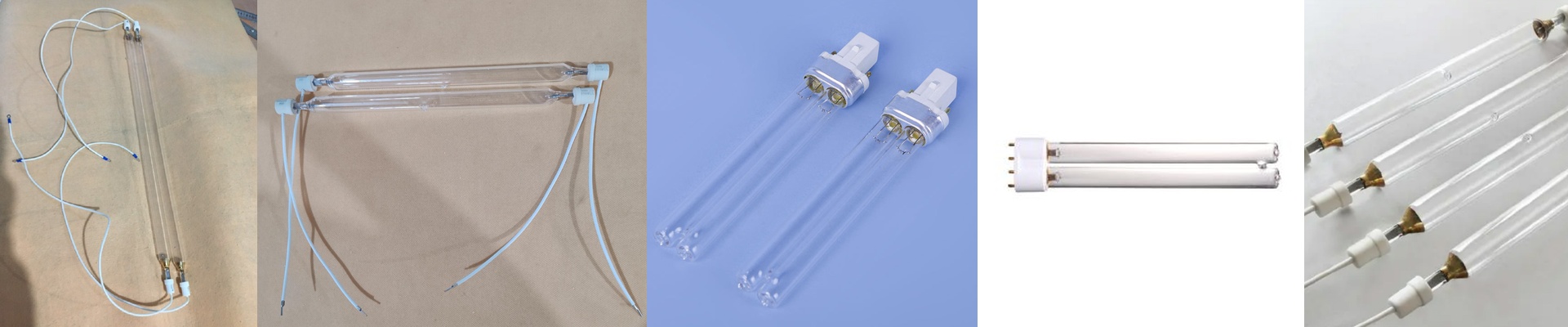
We offer a few different wattages depending on what you’re trying to clean. Simple math: more wattage means more UVC flux per square centimeter. For you, that means you can either crank up the speed of your conveyor belt or move the lamps further away from the surface and still get the job done. But here’s a word of caution:don’t over-drive your ballasts. It’s tempting to push the lamps harder to get more intensity, but you’ll just fry the cathode. We’ve spent a lot of time tuning the current draw to hit a sweet spot. You get the intensity you need, and the bulbs actually last 8,000 to 10,000 hours.
Getting them into your system
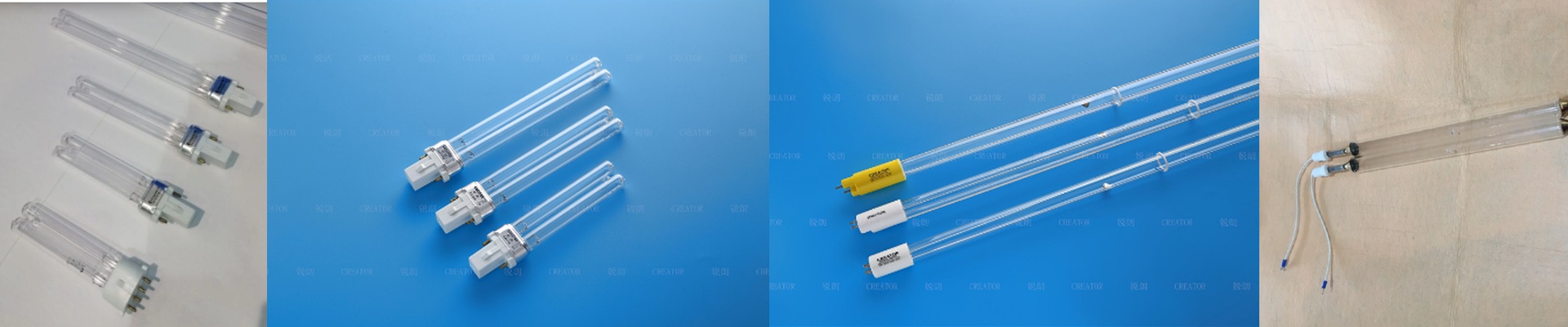
We didn’t want you to have to redesign your entire rig just to use our bulbs. That’s why we stuck with standard G13 pins. They should just slide right in. One last thing—and this is a big one—watch your heat. UVC lamps get hot. If they’re crammed into a tight box with no airflow, that heat builds up fast. If a cooling fan dies or a vent gets blocked, the quartz can stress out or the light output will just dip. Just make sure your housing can handle the total wattage you’re throwing in there. If you’re scaling up a water treatment line or a massive disinfection setup, let us know. We can handle the bulk orders.